Meditation is a practice that has been around for centuries, known for its numerous benefits for mental and emotional well-being. Guided meditation, a modern approach to this ancient practice, offers a structured way to meditate with the help of a narrator or guide. This comprehensive blog will walk you through everything you need to know to start a successful meditation practice, even if you’ve never meditated before.
What are Meditation and Guided Meditation?
Meditation involves focusing the mind and eliminating distractions to achieve a state of mental clarity, calmness, and inner peace. It often includes techniques like mindfulness, breath awareness, or visualization.
Guided meditation, on the other hand, is a form of meditation where someone (a guide or narrator) leads you through the practice. This can be done in person or through audio recordings. The guide provides instructions, prompts, and imagery to help you relax deeply and focus your mind.
How Does it Differ from Traditional Meditation?
Traditional meditation typically involves practicing in silence, focusing on your breath or a mantra, and navigating your thoughts independently. It’s often self-guided and requires a degree of experience to maintain focus and clarity without external guidance.
In contrast, guided meditation provides a structured framework. It’s accessible to beginners because the guide assists in maintaining focus, offers suggestions for relaxation, and helps navigate distractions. This makes it easier to start and maintain a regular meditation practice.
Why Guided Meditation is Ideal for Beginners
Structured Guidance: Beginners may find it challenging to meditate without external help. Guided meditation provides clear instructions and keeps you on track.
Reduced Anxiety: The presence of a guide can reduce anxiety about “doing it right” or concerns about how to meditate effectively.
Accessible Learning: It gradually introduces various meditation techniques, making exploring what works best for you easier.
Enhanced Experience: With a guide, beginners can experience deeper relaxation and more profound states of mindfulness early on, encouraging consistency and motivation.
Guided meditation is a gentle introduction to meditation, making it easier to reap the benefits of this ancient practice in today’s fast-paced world.
Decreased symptoms of depression: Multiple studies link meditation to reduced depressive symptoms
Even short daily sessions of 5-10 minutes can produce noticeable benefits, making guided meditation an effective wellness tool for busy beginners.
Different Types of Guided Meditation for Beginners
Guided meditation comes in various styles, each offering unique benefits. Understanding them can help you find the right fit:
Mindfulness meditation: Focuses on present-moment awareness without judgment. Ideal for improving focus and stress reduction.
Loving-kindness meditation: Cultivates compassion toward yourself and others. Excellent for enhancing emotional wellbeing.
Body scan meditation: Progressively relaxes each body part. Perfect for physical tension and improving body awareness.
Visualization meditation: Uses mental imagery to create specific feelings or outcomes. Great for motivation and positive thinking.
Breath awareness meditation: Concentrates solely on breathing patterns. A fundamental practice that forms the basis of many techniques.
How to Start Guided Meditation: A Beginner’s Roadmap
Starting a guided meditation practice is simple, but setting the right foundation can make a big difference in your experience. Follow these steps to begin your journey with ease.
Essential Preparation Tips
Create a dedicated space: Find a quiet corner in your home where you won’t be disturbed. While not essential, items like cushions, candles, or plants can enhance your meditation environment.
Choose the right time: Many practitioners prefer morning meditation to set a positive tone for the day, while others find evening sessions help unwind. Experiment to discover what works for your schedule.
Aromatherapy – Essential oils like lavender or sandalwood can enhance relaxation.
Minimal Distractions – Turn off notifications, silence your phone, and inform others to minimize interruptions.
Start small: Begin with just 5 minutes daily rather than ambitious 30-minute sessions. Consistency matters more than duration when building your meditation habit.
Dress comfortably: Wear loose clothing that won’t distract you during practice.
Step-by-Step Guided Meditation for Beginners
Find a comfortable position Sit in a chair with feet flat on the floor, or cross-legged on a cushion. Maintain an upright but relaxed posture to stay alert yet comfortable.
Set a timer For beginners, 5-10 minutes is ideal. Free meditation apps offer timers with gentle sounds.
Begin with deep breathing Take 3-5 deep breaths, inhaling through your nose and exhaling through your mouth.
Body scan meditation Starting from your toes and moving upward, notice sensations in each part of your body without judgment.
Focus on your breath Pay attention to your natural breathing pattern. Notice the sensation of air entering and leaving your body.
Acknowledge wandering thoughts When your mind drifts (which happens to everyone), gently return focus to your breath without self-criticism.
Close your practice mindfully When your timer sounds, take a moment to notice how you feel before slowly opening your eyes.
Best Guided Meditation Apps and Resources for Beginners
Guided meditation is more accessible than ever, thanks to a variety of apps, websites, and YouTube channels. Whether you prefer structured programs or free resources, there’s something for everyone.
1. Overview of Popular Meditation Apps
Many apps provide guided meditation sessions tailored to different goals, such as stress relief, sleep improvement, and mindfulness. Here are some of the most recommended apps for beginners:
Headspace – One of the most well-known meditation apps, offering beginner-friendly programs, sleep meditations, and mindfulness exercises with a structured approach.
Calm – Focuses on relaxation, sleep improvement, and stress reduction, with guided meditations, soothing music, and bedtime stories.
Insight Timer – A free app with thousands of guided meditations from various teachers, covering different styles and durations.
Ten Percent Happier– Ideal for skeptics, this app provides science-backed meditation techniques, expert guidance, and courses designed for beginners.
Breethe – Offers guided meditation for different life situations, including stress relief, better sleep, and emotional balance.
Simple Habit – Designed for busy individuals, it provides short guided meditations that fit into a tight schedule.
Each of these apps has features that cater to different preferences, making it easier to find one that suits your needs.
2. Free vs. Paid Guided Meditation Options
Meditation apps often offer both free and premium content. Understanding what’s available can help you decide whether to invest in a subscription.
Free Options: Apps like Insight Timer provide access to a vast library of free guided meditations. YouTube and podcasts also have a wealth of free resources. Many apps offer a limited number of free meditations but require payment for full access.
Paid Options: Subscriptions to apps like Headspace, Calm, and Ten Percent Happier offer structured programs, premium guided sessions, and additional features like sleep stories and expert coaching. These can be beneficial for those who want a more personalized or immersive experience.
For beginners, starting with free options is a great way to explore meditation before deciding if a paid subscription is worth it.
3. Best YouTube Channels for Guided Meditation
YouTube is a fantastic free resource for guided meditation. Many creators offer high-quality sessions tailored to different needs, such as stress relief, better sleep, and self-love. Here are some of the best channels:
The Honest Guys – Known for their calming voices and immersive guided visualizations.
Jason Stephenson – Sleep Meditation Music – Specializes in sleep meditations and relaxation techniques.
Goodful – Offers beginner-friendly mindfulness and meditation exercises.
Meditative Mind – Features sound healing, music, and mantra-based meditations.
Great Meditation – Provides short, easy-to-follow guided meditation sessions.
Deepak Chopra – Shares mindfulness techniques and meditations rooted in self-awareness and holistic wellness.
4. Recommended Books for Meditation Beginners
“Meditation for Beginners” by Jack Kornfield
“Real Happiness” by Sharon Salzberg
“Wherever You Go, There You Are” by Jon Kabat-Zinn
These resources can help beginners find a guided meditation practice that suits their preferences and goals.
Common Challenges in Guided Meditation and How to Overcome Them
While guided meditation is an excellent way to start a mindfulness practice, beginners often face challenges that can make it difficult to stay consistent. Here are some common obstacles and effective ways to overcome them.
1. Restlessness and Difficulty Focusing
Many beginners struggle with a wandering mind and an inability to stay present during meditation.
How to Overcome:
Accept that distraction is normal; the goal is to gently bring your focus back each time it drifts.
Choose shorter meditation sessions (5–10 minutes) and gradually increase duration.
Try focusing on the guide’s voice, your breath, or a repeated phrase (mantra) to anchor your attention.
Practice deep breathing before meditation to calm your mind.
2. Impatience and Expecting Immediate Results
Some people feel frustrated when they don’t experience instant relaxation or mindfulness benefits.
How to Overcome:
Understand that meditation is a skill that improves over time with consistent practice.
Shift focus from “achieving results” to simply “being present” during each session.
Keep a journal to track small progress, such as feeling slightly calmer after a session.
3. Physical Discomfort or Restlessness
Sitting still for meditation can be uncomfortable, leading to fidgeting and distraction.
How to Overcome:
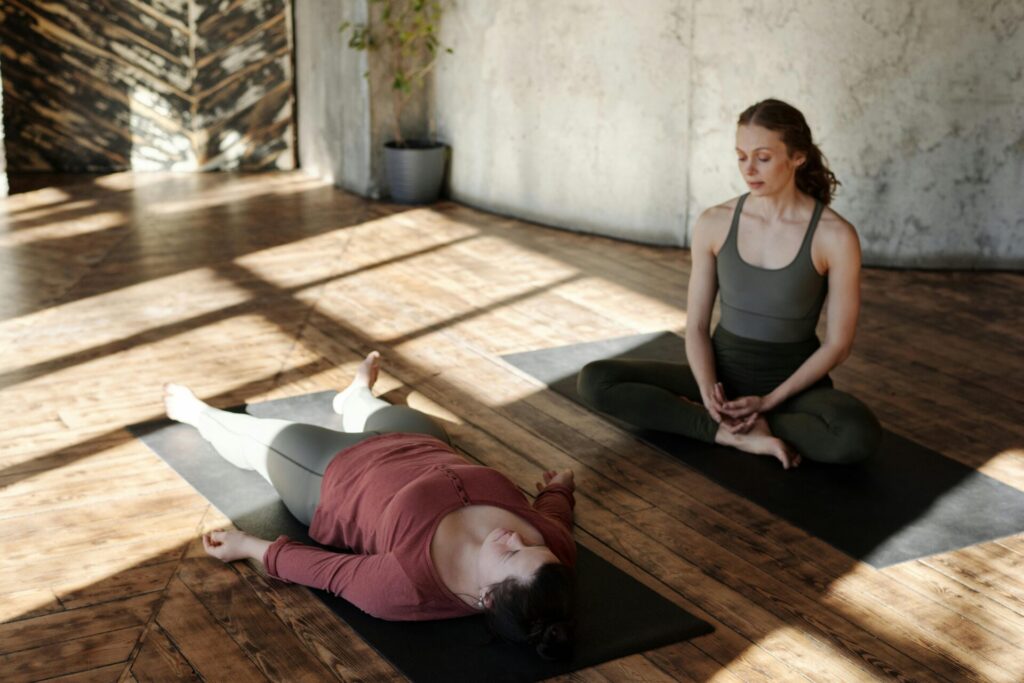
Find a comfortable position—sit on a chair, or cushion, or lie down if necessary.
Stretch lightly before meditation to release physical tension.
If discomfort arises, acknowledge it without frustration and adjust your posture mindfully.
4. Feeling Sleepy During Meditation
Many people, especially beginners, feel drowsy or fall asleep while meditating.
How to Overcome:
Meditate in an upright position to stay alert.
Try morning meditation instead of doing it before bed.
Open your eyes slightly or choose guided meditations with a more engaging tone.
Take a few deep breaths before starting to increase oxygen flow and wakefulness.
5. Lack of Time or Inconsistency
Busy schedules often make it difficult to meditate regularly.
How to Overcome:
Start with just 5 minutes a day; consistency matters more than duration.
Incorporate meditation into existing routines (e.g., after waking up, before sleep, or during lunch breaks).
Use guided meditation apps that offer short sessions for convenience.
Set reminders or schedule meditation like any other important task.
6. Doubts About Whether Meditation Is “Working”
Beginners sometimes question whether they’re meditating “correctly” or if it’s making a difference.
How to Overcome:
Remember that there’s no perfect way to meditate; the goal is to practice without judgment.
Focus on how you feel over time rather than expecting an immediate transformation.
Trust the process—many benefits, such as reduced stress and improved focus, build gradually.
7. Emotional Discomfort or Unpleasant Thoughts
Sometimes meditation brings up buried emotions or intrusive thoughts, which can be unsettling.
How to Overcome:
Acknowledge your emotions without pushing them away. Meditation is a safe space for self-awareness.
If emotions become overwhelming, shift to breath-focused or relaxation-based guided meditations.
Consider journaling after meditation to process any strong emotions that arise.
8. Boredom or Lack of Motivation
Some people find meditation repetitive or struggle to stay engaged.
How to Overcome:
Experiment with different guided meditation styles (e.g., visualization, mindfulness, body scan).
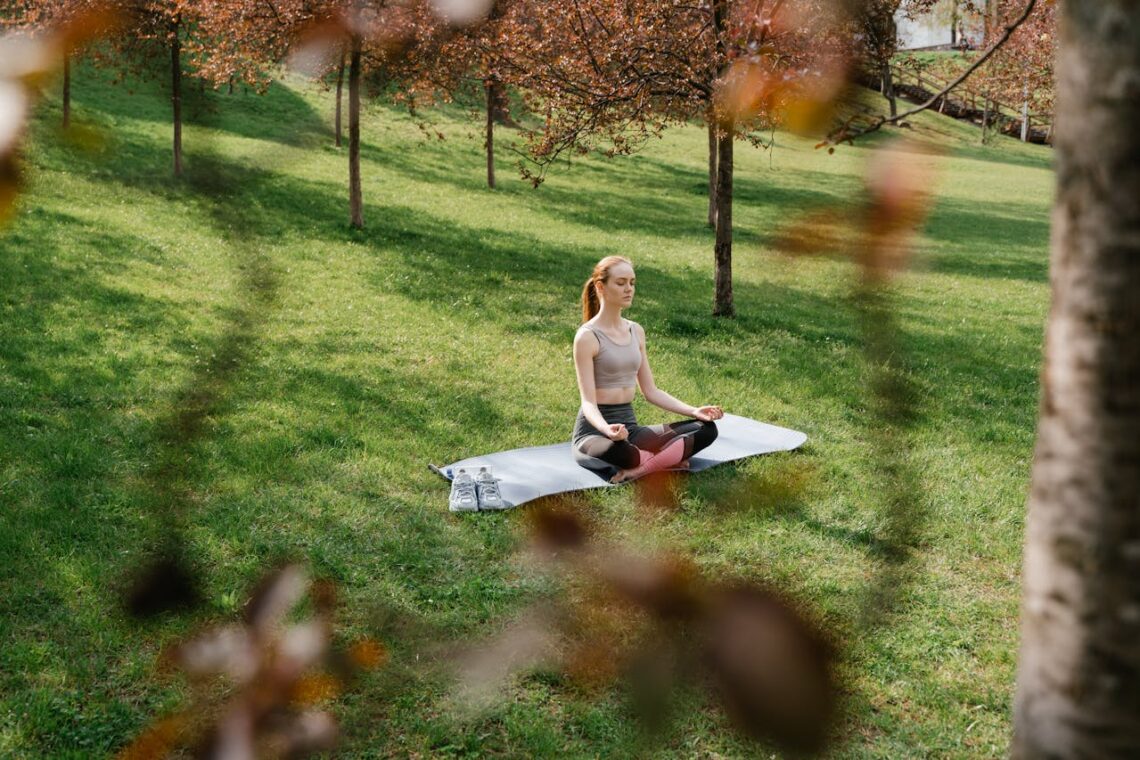
Change the meditation environment—try meditating outdoors or in a different room.
Remind yourself of why you started and reflect on any positive changes, even small ones.
Identifying these challenges and applying practical solutions can help beginners develop a more rewarding and sustainable guided meditation practice.
Creating a Sustainable Meditation Habit
Consistency is key to unlocking meditation’s full benefits. To make meditation a long-term practice, try these practical strategies:
Start with a 30-Day Challenge: Committing to just 5 minutes a day for one month can help establish meditation as a habit. Short, manageable sessions make it easier to stay consistent.
Use Habit Stacking: Attach meditation to an existing routine, such as meditating right after brushing your teeth or before your morning coffee. This makes it easier to remember and integrate into daily life.
Track Your Progress: Using a simple journal or meditation app to log your sessions can help you stay motivated. Noting changes in mood, focus, or stress levels can reinforce the benefits of meditation over time.
Join a Community: Finding an online meditation group or a local class provides accountability and support. Engaging with like-minded individuals can inspire you to maintain your practice.
Be Compassionate with Yourself: Missing a session doesn’t mean failure. Instead of feeling discouraged, simply begin again the next day. Meditation is about progress, not perfection.
These strategies will help you develop a meditation habit that enhances your well-being over time.
Advancing Your Practice: Next Steps After Mastering the Basics
Once you’ve built a consistent meditation habit, you can deepen your practice by exploring new techniques and challenges:
Gradually Increase Session Length: If you’re comfortable with short sessions, try extending them to 15–20 minutes to experience deeper relaxation and mindfulness. Slowly increasing duration prevents overwhelm and allows your mind to adjust naturally.
Experiment with Different Meditation Styles: Explore mindfulness meditation, loving-kindness meditation, body scans, or transcendental meditation to find what resonates most with you. Different techniques offer unique benefits and can enhance your overall practice.
Attend a Meditation Retreat: Immersing yourself in a retreat setting can provide profound insights and a deeper sense of stillness. Retreats offer guided instruction, a distraction-free environment, and a chance to connect with experienced teachers.
Learn About Meditation’s Philosophical Roots: Studying the history and philosophy behind meditation—whether from Buddhist, Hindu, or secular perspectives—can enrich your understanding and deepen your connection to the practice.
Practice Periods of Unguided Meditation: While guided meditations are great for beginners, transitioning to self-led meditation helps strengthen focus and mindfulness. Start by setting a timer and meditating in silence or with soft background sounds.
Gradually expanding your practice will help you develop greater self-awareness, resilience, and inner peace, making meditation a lifelong journey of growth.
Conclusion
Remember that meditation is a practice, not a performance. There’s no such thing as “perfect meditation”—the simple act of showing up consistently is a success. As beginners, the most important step is simply starting.
Even five minutes of guided meditation daily can create profound shifts in your well-being over time. Be patient with yourself, celebrate small victories, and trust the process as you begin this transformative journey.
Would you like to try a quick 2-minute guided meditation right now? Find a comfortable position, set a timer, and simply focus on your breath. When your mind wanders (which it will), gently guide your attention back. That’s all there is to it—you’ve just begun your meditation practice.