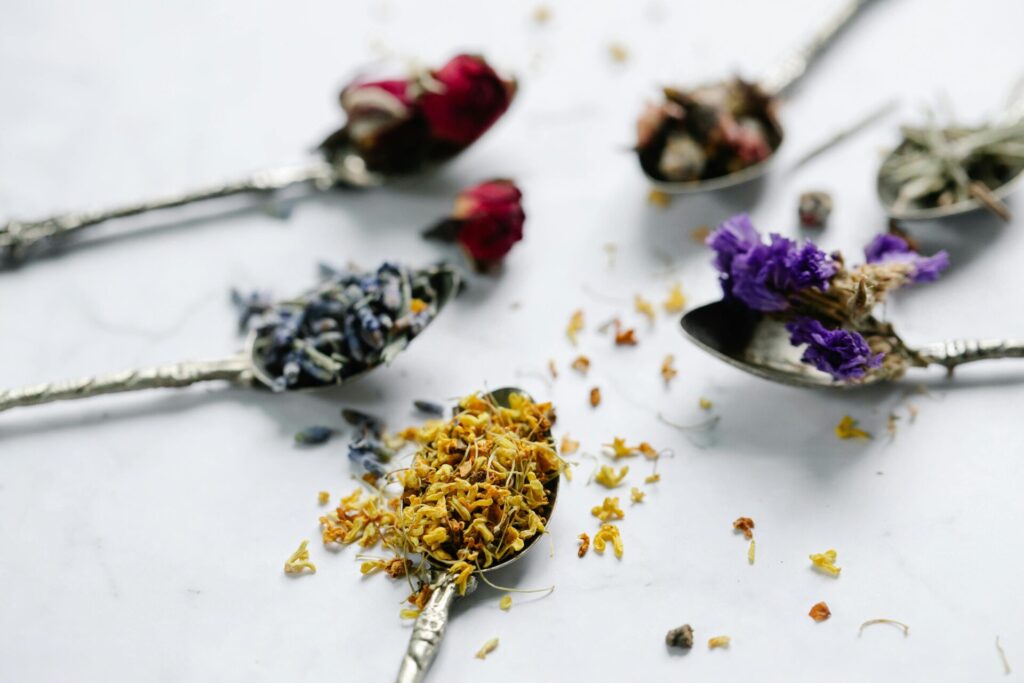
It’s a chilly evening, rain tapping softly on your window. You’re wrapped in your favorite blanket, cupping a warm mug of fragrant tea between your palms. But this isn’t just any tea—it’s a carefully crafted blend of herbs and spices that has been used for thousands of years to heal, balance, and nourish the body and mind.
Welcome to the world of Ayurvedic herbal teas, where every sip connects you to an ancient tradition of healing and wellness that originated in India over 5,000 years ago. Unlike your standard supermarket tea bags, these aromatic brews are designed with intention, combining herbs and spices specifically chosen to address imbalances, support healing, and promote harmony in your unique constitution.
In this blog, we’ll journey through the fascinating landscape of Ayurvedic herbal teas, discovering how these soothing concoctions can transform your daily tea ritual into a powerful act of self-care. Whether you’re battling digestive issues, struggling with stress, or simply seeking a more balanced approach to wellness, there’s an Ayurvedic tea blend waiting to become your new favorite companion.
So put the kettle on, find a comfortable spot, and let’s explore the wonderful world of healing teas that have stood the test of time.
Understanding Ayurveda: The Science of Life
Before we dive into specific tea recipes, let’s take a moment to understand the foundations of Ayurveda itself.
Ayurveda, which translates to “the science of life,” is one of the world’s oldest holistic healing systems. Developed in India thousands of years ago, this comprehensive approach to health focuses on creating harmony between body, mind, and spirit. Rather than treating symptoms in isolation, Ayurveda aims to address the root causes of imbalance.
At the heart of Ayurvedic philosophy are three fundamental energies or doshas—Vata, Pitta, and Kapha—that govern all physical and mental processes. Each person has a unique combination of these doshas, with one or two typically predominating:
Vata (air and space elements): Associated with movement, creativity, and change. When balanced, Vata types are energetic and creative. When imbalanced, they may experience anxiety, digestive irregularity, and dry skin.
Pitta (fire and water elements): Associated with transformation, metabolism, and intelligence. Balanced Pitta types are focused and passionate. Imbalanced Pitta can lead to irritability, inflammation, and excess heat in the body.
Kapha (earth and water elements): Associated with structure, stability, and nurturing. Balanced Kapha individuals are calm, loving, and strong. Imbalance can manifest as lethargy, congestion, and weight gain.
Ayurvedic herbal teas work by helping to balance these doshas. By understanding your dominant dosha(s) and current imbalances, you can select teas that will bring you back into harmony.
The Benefits of Ayurvedic Herbal Teas
Why should you incorporate Ayurvedic teas into your daily routine? These ancient brews offer numerous advantages over conventional beverages:
1. Customized Healing
Unlike mass-produced teas, Ayurvedic blends can be tailored to your unique constitution and current imbalances. Whether you need to calm an overactive Vata, cool an inflamed Pitta, or invigorate a sluggish Kapha, there’s a tea for that.
2. Gentle Yet Effective
Ayurvedic teas work gently with your body’s natural processes, supporting rather than forcing change. This makes them suitable for daily, long-term use without the side effects often associated with stronger interventions.
3. Whole-Body Wellness
These teas don’t just target isolated symptoms—they support overall balance in your system. A digestive tea, for instance, might simultaneously improve nutrient absorption, reduce bloating, and support healthy elimination.
4. Accessibility
While some Ayurvedic treatments require specialist guidance, many herbal teas can be safely prepared at home with ingredients that are increasingly available in regular grocery stores and online.
5. Ritual and Mindfulness
The process of preparing and sipping tea creates a natural pause in your day—a moment of mindfulness that itself has healing properties. This ritual aspect enhances the physical benefits of the herbs themselves.
6. Seasonal Adaptation
Ayurvedic teas can be adjusted according to seasons, helping your body adapt to changing external conditions and preventing seasonal imbalances before they arise.
Now that we understand why these teas are so valuable, let’s explore some classic Ayurvedic blends and their specific benefits.
Essential Ayurvedic Herbal Teas and Their Benefits
1. CCF Tea (Cumin, Coriander, Fennel)
Perhaps the most fundamental tea in the Ayurvedic pharmacopoeia, CCF tea combines three powerful digestive seeds to create a brew that balances all three doshas.
Benefits:
Improves digestion and metabolism
Reduces bloating and gas
Gently detoxifies the digestive tract
Supports proper nutrient absorption
Reduces water retention
Recipe:
½ teaspoon cumin seeds
½ teaspoon coriander seeds
½ teaspoon fennel seeds
2 cups water
Preparation:
Lightly crush the seeds to release their volatile oils
Bring water to a boil in a small pot
Add the seeds and reduce to a simmer for 5-10 minutes
Strain and enjoy, either hot or at room temperature
Best for: Anyone with digestive issues; particularly beneficial for Pitta and Vata types. Can be consumed daily after meals.
2. Ginger Tea
This warming, invigorating tea is excellent for stimulating digestion, reducing inflammation, and clearing congestion.
Benefits:
Enhances digestive fire (agni)
Reduces nausea and motion sickness
Alleviates joint pain and inflammation
Improves circulation
Clears respiratory congestion
Recipe:
1-inch piece fresh ginger, thinly sliced or grated
2 cups water
Optional: lemon slice and honey to taste (add after brewing)
Preparation:
Bring water and ginger to a boil
Reduce heat and simmer for 5-10 minutes (longer for stronger tea)
Strain, add lemon and honey if desired
Best for: Kapha imbalances, cold weather, morning sickness, sluggish digestion, and respiratory conditions. Use caution in excess Pitta conditions or during very hot weather.
3. Tulsi (Holy Basil) Tea
Revered in India as a sacred plant, tulsi is one of Ayurveda’s most powerful adaptogens, helping the body respond to stress while supporting overall wellness.
Benefits:
Reduces stress and anxiety
Supports immune function
Balances blood sugar
Protects against environmental toxins
Promotes clarity and focus
Recipe:
1 tablespoon fresh tulsi leaves or 1 teaspoon dried tulsi
1 cup water
Optional: small piece of ginger, honey to taste
Preparation:
Bring water to a boil
Add tulsi leaves (and ginger if using)
Cover and steep for 5 minutes
Strain and add honey if desired
Best for: All doshas, particularly beneficial for Vata and Kapha. Excellent during cold and flu season or during periods of high stress.
4. Turmeric Golden Milk
While technically a milk decoction rather than a tea, this golden elixir deserves a place in any Ayurvedic beverage collection for its remarkable anti-inflammatory properties.
Benefits:
Reduces inflammation throughout the body
Supports healthy joint function
Enhances immune response
Improves skin health
Promotes sound sleep
Recipe:
1 cup milk (traditional: cow’s milk; alternatives: almond, oat, or coconut milk)
½ teaspoon turmeric powder
Pinch of black pepper (enhances turmeric absorption)
¼ teaspoon cinnamon
Small piece of ginger, grated (optional)
1 teaspoon ghee or coconut oil (optional but recommended)
Sweetener to taste (honey or jaggery work well)
Preparation:
Combine all ingredients except sweetener in a small saucepan
Heat gently, whisking continuously until warm (do not boil)
Remove from heat and add sweetener if desired
Enjoy warm, especially before bedtime
Best for: Pitta and Vata doshas; use caution with Kapha dosha due to milk content (dilute with water or use almond milk instead).
5. Triphala Tea
Triphala, a combination of three fruits (amalaki, bibhitaki, and haritaki), is one of Ayurveda’s most respected formulations for gentle detoxification and rejuvenation.
Benefits:
Cleanses and tones the digestive tract
Promotes regular elimination
Supports healthy eyes and vision
Reduces accumulation of ama (toxins)
Nourishes tissues
Recipe:
½ teaspoon triphala powder
1 cup hot water
Preparation:
Bring water to a boil
Let cool slightly (to just below boiling)
Add triphala powder and steep for 10 minutes
Strain if desired (though traditionally the powder is consumed)
Best for: All doshas, particularly as part of a seasonal cleanse or nightly routine for digestive health.
6. Cinnamon, Cardamom, and Clove Tea
This aromatic spice blend creates a warming, stimulating tea perfect for cold weather and sluggish conditions.
Benefits:
Improves circulation
Enhances metabolic function
Supports respiratory health
Alleviates cold symptoms
Aids digestion of heavy foods
Recipe:
1 cinnamon stick
3 cardamom pods, crushed
3 cloves
2 cups water
Optional: slice of ginger, honey to taste
Preparation:
Bring water to a boil with spices
Reduce heat and simmer for 10 minutes
Strain and add honey if desired
Best for: Kapha and Vata doshas, especially during cold, damp weather or when feeling congested.
7. Rose Petal Tea
This cooling, sweet tea calms the mind and emotions while gently supporting the heart and reproductive system.
Benefits:
Cools excess heat in the body
Soothes emotional upset
Supports reproductive health
Aids gentle detoxification
Enhances complexion
Recipe:
1 tablespoon dried organic rose petals
1 cup water
Optional: ½ teaspoon honey, few drops of lemon juice
Preparation:
Bring water to a boil
Remove from heat and add rose petals
Cover and steep for 5 minutes
Strain and add honey and lemon if desired
Best for: Pitta dosha, especially during summer or times of emotional intensity.
8. Ashwagandha Tea
Known as “the strength of ten horses,” ashwagandha is a powerful adaptogen that helps the body respond to stress while building overall vitality.
Benefits:
Reduces anxiety and stress
Improves sleep quality
Enhances physical endurance
Supports healthy hormone function
Strengthens immune system
Recipe:
1 teaspoon ashwagandha powder or root
1 cup milk (or plant-based alternative)
¼ teaspoon cardamom
Sweetener to taste
Preparation:
Combine ashwagandha and milk in a small saucepan
Heat gently for 5 minutes (do not boil)
Add cardamom and sweetener
Strain if using root (not necessary for powder)
Best for: Vata and Kapha doshas, particularly during times of depletion or stress. Pitta types should use in moderation.
Dosha-Specific Tea Blends
Understanding your dominant dosha(s) can help you select the most beneficial teas for your constitution. Here are some specific blends for each dosha:
For Vata Balance (Air & Space):
Vata types benefit from warming, grounding, and hydrating teas that counteract their natural tendency toward coldness, dryness, and irregularity.
Vata Balancing Blend:
1 teaspoon ginger, freshly grated
½ teaspoon cinnamon
3 cardamom pods, crushed
Pinch of clove
1 teaspoon licorice root (optional)
2 cups water
Milk and honey to taste
Preparation:
Bring water to a boil with the spices
Simmer for 5-10 minutes
Add milk if desired and heat through
Strain and add honey
When to enjoy: Morning and afternoon, especially during fall and early winter when Vata is naturally aggravated.
For Pitta Balance (Fire & Water):
Pitta types need cooling, sweet, and bitter teas that help manage their natural tendencies toward heat, acidity, and intensity.
Pitta Cooling Blend:
1 teaspoon dried mint leaves
1 teaspoon dried rose petals
½ teaspoon fennel seeds
¼ teaspoon coriander seeds
2 cups water
Raw honey (optional, added after brewing)
Preparation:
Bring water to a boil
Add herbs and spices
Remove from heat, cover, and steep for 5-10 minutes
Strain and add honey if desired
When to enjoy: Midday and early evening, especially during summer months when Pitta is naturally aggravated.
For Kapha Balance (Earth & Water):
Kapha types benefit from light, warming, stimulating teas that counteract their tendencies toward heaviness, congestion, and stagnation.
Kapha Stimulating Blend:
1 teaspoon dried ginger
¼ teaspoon black pepper
½ teaspoon turmeric
1 cinnamon stick
2 cups water
Lemon slice and raw honey (optional)
Preparation:
Bring water to a boil with spices
Simmer for 10 minutes
Strain and add lemon and honey if desired
When to enjoy: Morning and early afternoon, especially during late winter and spring when Kapha is naturally aggravated.
Seasonal Teas for Year-Round Balance
Ayurveda emphasizes living in harmony with the changing seasons. Here’s how to adapt your tea routine throughout the year:
Spring (Kapha Season)
Spring is characterized by cold, dampness, and heaviness. Teas should be warming, stimulating, and drying to counteract these qualities.
Summer brings heat and intensity. Teas should be cooling, sweet, and bitter to pacify excess Pitta.
Summer Cooling Tea:
1 teaspoon hibiscus flowers
1 teaspoon mint leaves
½ teaspoon rose petals
¼ teaspoon fennel seeds
2 cups water
Fall (Vata Season)
Fall is characterized by dryness, coolness, and variability. Teas should be warming, moistening, and grounding.
Fall Grounding Tea:
1 teaspoon ginger
½ teaspoon cinnamon
3 cardamom pods
1 teaspoon licorice root
2 cups water
Winter (Vata/Kapha Season)
Winter brings cold and can be either dry or damp. Teas should be warming, nourishing, and immune-supporting.
Winter Wellness Tea:
1 tablespoon fresh grated ginger
1 cinnamon stick
3 cloves
¼ teaspoon black pepper
1 tablespoon tulsi (holy basil)
2 cups water
How to Enhance Your Tea Experience
The full benefits of Ayurvedic teas come not just from the herbs themselves but from how you prepare and consume them. Here are some tips to maximize your tea experience:
Mindful Preparation
Turn tea-making into a ritual. Set an intention for your wellness as you prepare your tea. Notice the colors, aromas, and transformations that occur during brewing.
Conscious Consumption
Drink your tea sitting down, away from screens and distractions. Take small sips, noticing the taste, temperature, and effects in your body.
Optimal Timing
Different teas are suited for different times of day:
Whenever possible, choose organic herbs and spices. For maximum potency, buy whole spices and grind them yourself rather than using pre-ground versions.
Proper Storage
Store your herbs and spices in airtight containers away from direct sunlight. Most dried herbs maintain their potency for about six months to a year.
Common Questions About Ayurvedic Teas
Can I drink Ayurvedic tea every day?
Yes! Many Ayurvedic teas are designed for daily consumption. CCF tea, for instance, is often recommended as a daily digestive aid. However, stronger medicinal teas might be best used for specific periods rather than continuously.
How do I know which tea is right for me?
Start by identifying your dominant dosha(s) through an Ayurvedic consultation or online quiz. Then, observe how you feel after drinking different teas. Your body will often tell you what it needs—trust your experience.
Can I combine different recipes?
Absolutely! Once you understand the basic principles, feel free to experiment. Just be mindful of the qualities you’re combining—for instance, avoid mixing very heating herbs with very cooling ones.
When is the best time to drink Ayurvedic tea?
For general wellness, most teas are best consumed between meals. Digestive teas like ginger or CCF can be taken 30 minutes after eating. Sleep-supporting teas should be consumed 30-60 minutes before bedtime.
Can I add milk and sweeteners?
This depends on the tea and your constitution. Milk enhances the nourishing qualities of teas but can dampen the digestive-stimulating effects. Sweeteners can balance bitter herbs but should be used judiciously. Honey and jaggery are preferred in Ayurveda but should never be heated above 104°F.
Can I use tea bags instead of loose herbs?
While convenient, tea bags often contain lower-quality herbs that have lost much of their potency through processing. Whenever possible, opt for fresh or freshly dried loose herbs for maximum benefit.
DIY Ayurvedic Tea Blending
Once you’re familiar with the basic principles and qualities of different herbs, you can begin creating your own personalized blends. Here’s a simple formula to guide your experiments:
Base (50%): Choose an herb that addresses your primary concern (e.g., ginger for digestion, tulsi for stress)
Support (30%): Add 1-2 herbs that complement the action of your base herb
Catalyst (10%): Include a small amount of a warming spice like black pepper or ginger to activate the other herbs
Harmonizer (10%): Add a small amount of a balancing herb like licorice or cinnamon to integrate the qualities of the other herbs
Pro Tips for Making Ayurvedic Tea a Habit
Invest in a good teapot or infuser. Loose leaf herbs > tea bags.
Store herbs in airtight glass jars away from light and moisture.
Batch prep your tea blends on Sundays so you’re not scrambling mid-week.
Create a “tea ritual.” Light a candle, put on soothing music, and make it a mini self-care break.
Where to Find Ayurvedic Tea Ingredients
You can find most herbs and spices at:
Indian grocery stores
Organic shops like FabIndia, Organic India
Online stores like Amazon, iHerb, and Banyan Botanicals
Local farmer’s markets for fresh ginger, tulsi, mint, etc.
Conclusion
Ayurvedic herbal teas offer a delicious path to better health, balancing your unique constitution while supporting your body’s natural healing abilities. From the digestive power of CCF tea to the stress-relieving properties of tulsi, these ancient formulations provide gentle yet effective support for modern wellness challenges. Whether you’re looking to relax, recharge, or simply hydrate in a healthier way, these teas offer an all-natural route to better well-being.
With simple ingredients and easy recipes, anyone can start sipping their way to wellness. So next time you feel off-kilter, skip the coffee and steep some herbs instead. Your body—and your mind—will thank you. Cheers to finding your perfect brew and embracing Ayurveda one soothing cup at a time!
Have you tried any of these Ayurvedic teas? Which one is your favorite, or which one are you most excited to try? We’d love to hear how these ancient brews are enhancing your modern life!