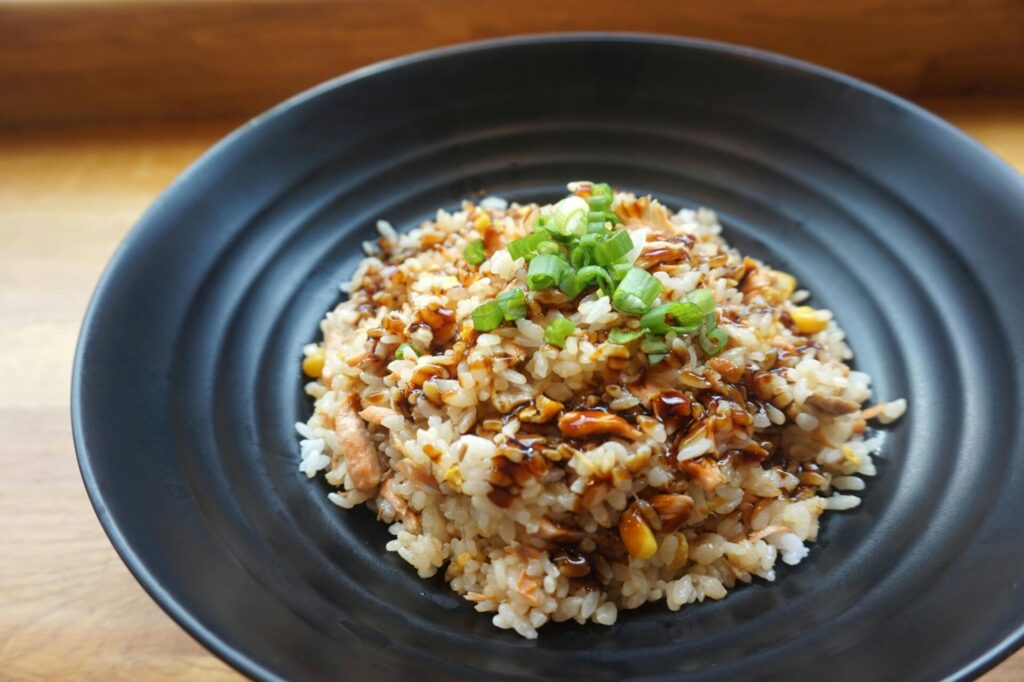
Indian cuisine, known for its vibrant spices and bold flavors, offers a unique twist on traditional salads. By infusing Indian ingredients like chickpeas, paneer, spices, and fresh herbs, you can create exciting and satisfying salads that transport your taste buds while providing a nutritional boost. These salads combine the goodness of vegetables with the rich, diverse flavors of India, making your lunchtime experience both satisfying and healthful.
Salads are the perfect solution for busy workdays or school lunches, offering a myriad of benefits. They’re incredibly health-conscious, loaded with essential nutrients that support energy, focus, and overall well-being. Their convenience makes them an ideal choice for meal prep, and they can be customized to suit any dietary need or preference.
Plus, with endless varieties of ingredients and dressings, salads provide an exciting, no-fuss way to switch up your lunch routine. Whether you’re looking for a light, energizing meal or something more filling, salads provide endless possibilities without compromising on nutrition or taste.
Curious about how to make your lunches both flavorful and nutritious? Keep reading for easy, Indian-inspired salad recipes that will transform your lunch routine!
What Makes Indian Salads Perfect for Lunch?
Indian salads bring a delightful twist to lunchtime, offering a unique blend of spices and ingredients that tantalize the taste buds while nourishing the body. With their vibrant flavors and diverse textures, these salads stand out as a wholesome, satisfying choice. Here’s why they deserve a spot in your lunchbox:
A Symphony of Spices and Ingredients: Indian salads incorporate aromatic spices, tangy dressings, and fresh produce that create a burst of flavors in every bite. From cumin-kissed cucumbers to tangy tamarind-drizzled sprouts, these salads transform simple ingredients into culinary delights.
Packed with Nutrition: Indian salads strike a perfect balance of essential nutrients. They often feature ingredients rich in proteins (like chickpeas and paneer), complex carbs (such as quinoa or roasted sweet potatoes), and fiber (from fresh vegetables and legumes). These components work together to keep you energized and satiated throughout the day.
Easily Customizable: Whether you’re following a specific diet or catering to personal preferences, Indian salads are incredibly versatile. You can adjust the spice levels, swap ingredients to suit your taste, or even tweak recipes to fit dietary requirements, such as vegan or gluten-free options.
Choosing Indian salads for lunch means embracing bold flavors, optimal nutrition, and limitless customization possibilities, making them an ideal choice for anyone looking to elevate their midday meal.
Essentials for a Perfect Indian Salad
Creating the perfect Indian salad is all about blending fresh, wholesome ingredients with bold flavors and aromatic spices. Here’s what you’ll need to craft a salad that’s bursting with nutrition and taste:
Crafting a perfect Indian salad involves a delightful fusion of fresh ingredients, vibrant flavors, and nutritious elements that cater to the Indian palate. Here’s what you need:
1. Fresh Vegetables
At the heart of any salad are crisp, fresh vegetables that bring color, crunch, and essential nutrients. Popular choices for Indian salads include:
Cucumber: Adds hydration and a refreshing crunch.
Tomatoes: Provide juiciness and tangy flavor, rich in vitamin C.
Carrots: Sweet and crunchy, they contribute beta-carotene and fiber.
Feel free to experiment with radishes, bell peppers, or greens like spinach for variety.
2. Proteins
To make your salad filling and nutritious, add protein-packed ingredients like:
Paneer: A versatile Indian cottage cheese that pairs beautifully with spices.
Lentils or Chickpeas: Cooked and seasoned, these legumes offer plant-based protein and fiber.
Boiled Eggs: A simple yet effective addition for protein and healthy fats.
These ingredients ensure your salad is a complete, satisfying meal.
3. Grains
For a hearty twist, incorporate grains that blend seamlessly with Indian flavors:
Quinoa: A protein-rich grain with a nutty flavor, excellent when tossed with Indian spices.
Rice: Brown or basmati rice adds a comforting touch, especially when lightly spiced.
Couscous: Absorbs Indian chutneys and spices beautifully, creating a unique texture and taste.
These grains enhance the salad’s texture and provide slow-releasing energy.
4. Flavor Boosters
Indian cuisine is synonymous with bold and complex flavors. Elevate your salad with:
Tamarind Chutney: Adds a tangy-sweet punch.
Yogurt Dressings: Creamy, cooling, and perfect for balancing spices.
Mint-Coriander Chutney: Offers a zesty, herby freshness that ties ingredients together.
These dressings and chutneys ensure every bite bursts with flavor.
5. Spices
No Indian dish is complete without a medley of spices. Key options for your salad include:
Cumin: Adds warmth and earthiness, especially when roasted.
Chaat Masala: A quintessential Indian spice mix that provides tanginess and depth.
Turmeric: Known for its anti-inflammatory properties and vibrant color.
With these essentials, you can create a variety of Indian salads that are not just delicious but also packed with goodness. Perfect for lunch, dinner, or even a midday snack!
Recipe Ideas for Indian Lunch Salads
1. Chickpea Chaat Salad
This tangy and spicy salad is a delightful fusion of Indian street food flavors and wholesome nutrition. Chickpeas, rich in protein and fiber, make it a filling and satisfying lunch option.
Ingredients:
1 cup boiled chickpeas
1 cucumber, diced
1 tomato, diced
1 small onion, finely chopped
1 green chili, chopped (optional)
1 tsp chaat masala
1 tbsp fresh lemon juice
Fresh coriander leaves for garnish
Instructions:
Combine chickpeas, cucumber, tomato, and onion in a mixing bowl.
Add chaat masala, lemon juice, and green chili (if using). Toss well to coat the ingredients evenly.
Garnish with fresh coriander leaves and serve.
Tips and Variations:
Add a handful of black olives for a Mediterranean twist.
Sprinkle crumbled feta cheese for extra creaminess.
Replace chickpeas with black-eyed peas or kidney beans for variety.
Nutritional Information (per serving):
Calories: ~180
Protein: ~8g
Fiber: ~6g
Vitamins: High in Vitamin C and folate
2. Paneer Tikka Salad
This salad combines the smoky flavors of grilled paneer tikka with the freshness of mixed greens, creating a hearty and delicious meal.
Ingredients:
200g paneer, cut into cubes
1 tsp tandoori masala
1 tsp oil
2 cups mixed greens (lettuce, spinach, arugula)
1 small cucumber, sliced
1 cup cherry tomatoes, halved
3 tbsp yogurt
1 tsp roasted cumin powder
½ tsp black salt
Instructions:
Marinate paneer cubes with tandoori masala and oil. Grill or pan-fry until golden brown.
In a bowl, mix yogurt with roasted cumin powder and black salt to make the dressing.
Arrange mixed greens, cucumber, and cherry tomatoes on a plate. Top with grilled paneer cubes.
Drizzle the yogurt dressing over the salad and serve.
Tips and Variations:
Add roasted nuts or seeds for an extra crunch.
Swap paneer with tofu for a vegan option.
Enhance the flavors by including roasted bell peppers or pickled onions.
Heat oil in a pan and add mustard seeds and curry leaves. Let them splutter.
In a mixing bowl, combine cooked quinoa, grated carrot, cucumber, tomatoes, and roasted peanuts.
Pour the tempered mustard seeds and curry leaves over the quinoa mixture. Toss well and season with salt.
Tips and Variations:
Add diced avocado for creaminess.
Replace peanuts with walnuts or cashews for a twist.
Sprinkle shredded coconut for a South Indian flair.
Nutritional Information (per serving):
Calories: ~220
Protein: ~8g
Fiber: ~5g
Rich in magnesium and antioxidants
4. Kachumber Salad with a Twist
The classic Kachumber salad gets an upgrade with the addition of protein-packed sprouts and crunchy toasted papad.
Ingredients:
1 cucumber, finely chopped
1 tomato, finely chopped
1 onion, finely chopped
½ cup mixed sprouts (moong, chana, etc.)
1 toasted papad, crushed
1 tbsp fresh lemon juice
Salt and pepper to taste
Fresh coriander leaves for garnish
Instructions:
In a bowl, mix cucumber, tomato, onion, and sprouts.
Add lemon juice, salt, and pepper. Toss well.
Top with crushed toasted papad and garnish with fresh coriander leaves before serving.
Tips and Variations:
Add grated radish or beetroot for extra flavor and nutrition.
Include a dollop of yogurt for a creamy texture.
Experiment with flavored papads for added zing.
Nutritional Information (per serving):
Calories: ~150
Protein: ~6g
Fiber: ~4g
High in Vitamin C and iron
5. Lentil Salad Bowl
This hearty salad combines the earthy flavor of lentils with the tangy freshness of lime and a burst of sweetness from pomegranate. It’s a protein-packed option that’s both delicious and nutritious.
Ingredients:
1 cup cooked moong dal (yellow lentils)
1/2 cup fresh pomegranate seeds
2 tbsp grated coconut (fresh or desiccated)
1 tbsp finely chopped coriander leaves
Juice of 1 lime
Salt and pepper to taste
Optional: A drizzle of olive oil or a pinch of chaat masala for added flavor
Instructions:
In a large bowl, combine the cooked moong dal, pomegranate seeds, and grated coconut.
Add the chopped coriander leaves and mix gently to avoid mashing the lentils.
Squeeze fresh lime juice over the salad and season with salt and pepper.
Toss everything lightly and serve immediately or store in the refrigerator until ready to eat.
Tips and Variations:
Add-ons: Sprinkle some crumbled feta cheese or a handful of chopped olives for a Mediterranean twist.
Alternative Lentils: Substitute moong dal with black lentils or masoor dal for a different flavor and texture.
Seasonal Twist: Use fresh mango cubes during summer for a sweet-tangy flavor.
Nutritional Information (Approx. per serving):
Calories: 150
Protein: 10g
Fiber: 6g
Vitamin C: 12% of the daily requirement
6. Rice Salad with Tangy Tamarind Dressing
A perfect way to repurpose leftover rice, this salad is vibrant, tangy, and satisfying. It’s a great mix of carbs, veggies, and bold flavors.
Ingredients:
1 cup cooked rice (leftover or freshly made and cooled)
1/2 cup diced vegetables (carrots, bell peppers, cucumbers, and tomatoes)
2 tbsp tamarind paste
1 tsp jaggery or brown sugar
1/2 tsp roasted cumin powder
1/2 tsp red chili powder (optional)
1 tbsp finely chopped coriander leaves
Salt to taste
Instructions:
In a small bowl, mix tamarind paste, jaggery, roasted cumin powder, and red chili powder with a few tablespoons of water to make a tangy dressing.
In a large mixing bowl, combine the cooked rice and diced vegetables.
Pour the dressing over the rice and mix gently to coat everything evenly.
Garnish with coriander leaves and serve. You can refrigerate the salad for an hour for a refreshing cold version.
Tips and Variations:
Protein Boost: Add boiled chickpeas, kidney beans, or grilled paneer cubes for extra protein.
Cheesy Flavor: Sprinkle some grated Parmesan or crumbled goat cheese for a creamy contrast.
Nutty Crunch: Toss in roasted peanuts or sesame seeds for a crunchy texture.
Swap Rice: Use quinoa or millet instead of rice for a gluten-free and fiber-rich alternative.
Nutritional Information (Approx. per serving):
Calories: 200
Protein: 4g
Fiber: 3g
Iron: 8% of the daily requirement
Packing Tips for Work or School
Packing a salad for work or school is a fantastic way to ensure you have a fresh, healthy meal at your fingertips. However, without proper preparation, salads can lose their appeal by the time lunch rolls around. To keep your salad crisp, vibrant, and ready to enjoy, follow these detailed tips:
1. Use Airtight Containers to Keep Salads Fresh
Invest in high-quality airtight containers designed specifically for meal prepping. These containers help lock in freshness and prevent air from entering, which can cause ingredients to wilt or spoil. Look for options with separate compartments for toppings, proteins, or dressings to maintain the integrity of each component. Glass containers are a great choice as they are durable, easy to clean, and don’t retain food odors.
2. Pack Dressing Separately to Avoid Sogginess
Nothing ruins a salad faster than soggy greens. Always pack your dressing in a small, leak-proof container or use a dressing cup with a secure lid. Add the dressing just before eating to keep your salad crisp and appealing. Alternatively, use single-serve dressing packets for added convenience. Some containers even come with a built-in compartment for dressings, which can save space and simplify packing.
3. Include a Fork or Spoon for Convenience
Don’t forget to pack utensils! Having a fork or spoon readily available ensures you can enjoy your salad without searching for cutlery. Consider reusable options like stainless steel or bamboo utensils, which are eco-friendly and durable. Some compact utensil sets even include a carrying case, making them easy to slip into your lunch bag.
Additional Tips for Success
Layer Your Salad: Start with heavier ingredients like grains or proteins at the bottom and keep delicate greens at the top to prevent them from being crushed.
Add Crunch Just Before Eating: Items like nuts, seeds, or croutons should be packed separately to maintain their texture.
Keep it Cool: If your salad contains perishable ingredients, use an insulated lunch bag with an ice pack to keep it chilled until you’re ready to eat.
With these tips, you can enjoy a fresh, flavorful, and satisfying salad wherever your day takes you.
Health Benefits of Indian Salad Ingredients
Indian salads are a powerhouse of nutrition, thanks to the vibrant and diverse ingredients they incorporate. From fresh vegetables and herbs to protein-rich additions and healing spices, every component contributes to a holistic approach to health. Let’s delve deeper into the key nutrients and benefits of these common ingredients.
1. Protein in Paneer
Paneer, a popular Indian cottage cheese, is a rich source of protein, making it an excellent addition to salads for vegetarians. Protein is essential for muscle repair, growth, and overall cell function. Paneer also contains calcium, which supports bone health, and phosphorus, which aids energy production.
Why add paneer? Its creamy texture complements crunchy veggies while providing sustained energy and satiety. Paneer also has minimal lactose, making it suitable for those with mild lactose intolerance.
2. Antioxidants in Fresh Vegetables
Vegetables like tomatoes, cucumbers, carrots, and bell peppers are staples in Indian salads and are packed with antioxidants.
Tomatoes: Rich in lycopene, a powerful antioxidant that supports heart health and reduces the risk of certain cancers.
Carrots: Loaded with beta-carotene, which the body converts into vitamin A, crucial for vision and immune function.
Cucumbers: High in water content, they keep you hydrated and provide vitamin K for bone health.
Bell Peppers: A great source of vitamin C, which enhances immunity and aids skin health.
Antioxidants combat oxidative stress, protect cells from damage, and support overall vitality, making fresh vegetables indispensable in any salad.
3. Fiber from Leafy Greens
Spinach, kale, and coriander are often used in Indian salads for their exceptional fiber content. Dietary fiber promotes healthy digestion, stabilizes blood sugar levels, and keeps cholesterol in check.
Coriander (Cilantro): Known for its detoxifying properties, it adds a refreshing taste while supporting liver function.
Spinach: Provides iron, magnesium, and potassium, crucial for energy metabolism and muscle function.
4. Healing Power of Indian Spices
Spices not only enhance the flavor of salads but also bring numerous health benefits:
Cumin: Improves digestion and reduces bloating with its carminative properties.
Turmeric: Contains curcumin, a potent anti-inflammatory and antioxidant compound that supports immunity and joint health.
Black Pepper: Enhances nutrient absorption, particularly curcumin, while aiding digestion.
Chaat Masala: A tangy blend often sprinkled on salads, contains amchoor (dried mango powder) for vitamin C and digestive benefits.
5. Healthy Fats from Nuts and Seeds
Adding roasted peanuts, sesame seeds, or flaxseeds to your salad boosts its nutritional value. These ingredients are rich in healthy fats, which are crucial for brain function and hormone regulation.
Flaxseeds: High in omega-3 fatty acids, they promote heart health and reduce inflammation.
Sesame Seeds: Packed with calcium, magnesium, and zinc, they support bone and immune health.
6. The Immunity-Boosting Trio: Ginger, Garlic, and Lemon
Ginger: Reduces inflammation, aids digestion, and helps combat nausea.
Garlic: Rich in allicin, it strengthens the immune system and reduces the risk of colds and infections.
Lemon: A source of vitamin C, it detoxifies the body and enhances the absorption of iron from plant-based ingredients.
Why Indian Salads Stand Out
Indian salads uniquely combine fresh produce, nutrient-dense proteins, and the therapeutic properties of spices. The result? A meal that not only tantalizes your taste buds but also fortifies your body from the inside out.
Customization Ideas
One of the best things about salads is their incredible versatility. With a little creativity, you can customize any salad to suit dietary preferences or restrictions while still keeping it delicious and satisfying.
Making Salads Vegetarian, Vegan, or Gluten-Free
Vegetarian: Replace animal-based proteins with plant-based options like tofu, tempeh, chickpeas, lentils, or boiled eggs. Cheese like feta or halloumi can add richness, while nuts and seeds contribute both texture and protein.
Vegan: Go entirely plant-based by omitting dairy and eggs. Use nutritional yeast for a cheesy flavor or include creamy vegan dressings made from cashews, tahini, or avocado. Protein-rich additions like edamame, quinoa, or marinated tofu can make your salad more substantial.
Gluten-Free: Swap out any wheat-based ingredients like croutons, pasta, or bulgur with gluten-free alternatives such as quinoa, rice noodles, or roasted chickpeas for crunch. Always double-check dressings for hidden gluten-containing ingredients like soy sauce (use tamari instead).
Ingredient Substitutions Based on Preference
Leafy Base: Experiment with different greens, such as kale, spinach, arugula, or even a mix of romaine and spring greens. If you’re not a fan of leafy greens, try a grain base like quinoa, farro (gluten-free option needed), or couscous.
Proteins: Replace chicken with turkey, shrimp, or fish, or go plant-based with lentils, beans, or grilled mushrooms. For a nutty crunch, toss in almonds, walnuts, or sunflower seeds.
Dressing: Customize your dressing by balancing flavors. Swap mayonnaise-based dressings for lighter vinaigrettes made with olive oil and citrus or whip up creamy alternatives using Greek yogurt or avocado.
Toppings: Don’t like raisins? Go for dried cranberries or fresh pomegranate seeds. Prefer crunch? Add toasted nuts, seeds, or crispy chickpeas. For cheese, switch between blue cheese, feta, goat cheese, or a vegan alternative.
With a few tweaks, you can make your salad fit your preferences and dietary needs without sacrificing flavor or nutrition.
Quick Hacks for Salad Prep
When it comes to making salads a regular part of your routine, preparation is key. These quick and easy salad prep hacks will save you time and ensure you always have a nutritious, flavorful meal ready to go!
Pre-Chopping Veggies for the Week
One of the most time-consuming aspects of salad-making is chopping all those veggies. To save yourself time during the week, try pre-chopping your vegetables in bulk and storing them properly.
How to Do It: Set aside a specific day each week (like Sunday) to chop up your veggies for the upcoming days. Think lettuce, cucumbers, carrots, bell peppers, and anything else you plan to add. Make sure to store them in airtight containers to keep them fresh for several days.
Pro Tip: For leafy greens, consider using a salad spinner to dry them properly after washing. This prevents sogginess and keeps your salad ingredients crisp longer. You can also layer the chopped veggies with a paper towel to absorb moisture and extend their shelf life.
Benefits: With pre-chopped veggies, assembling a salad in the morning or during lunch break becomes a breeze. You’ll save time and avoid the hassle of having to cut everything when you’re in a rush.
Storing Dressings in Small Bottles
Salad dressings can often be the tipping point for whether a salad feels bland or flavorful. By storing dressings in small bottles, you can ensure you always have a tasty topping ready for your salad—without the mess or waste.
How to Do It: Buy small reusable bottles or mason jars, and portion out your favorite homemade or store-bought dressings. Label the bottles for easy identification (and to avoid mixing them up!).
Pro Tip: To avoid soggy salads, store the dressing separately from your pre-chopped veggies. You can easily drizzle it on your salad just before eating.
Benefits: Not only does this keep things tidy and portable (great for lunchboxes!), but it also allows you to experiment with different dressings throughout the week, enhancing the variety of your meals.
Using Leftovers Creatively for Salads
One of the best ways to make salads both time-saving and waste-reducing is by using leftovers creatively. Instead of cooking separate meals for salads, utilize what you already have in your fridge to add protein, grains, or extra flavor.
How to Do It: Leftover grilled chicken, roasted vegetables, or even quinoa from dinner can be great additions to a salad. Simply chop up the leftovers and toss them into a bed of greens for a hearty, satisfying meal.
Pro Tip: You can also incorporate things like cheese, hummus, or roasted nuts from earlier meals. Just make sure to add ingredients that complement the fresh veggies for balanced flavor and texture.
Benefits: This hack not only cuts down on food waste but also allows you to enjoy a salad that feels more like a complete meal. Plus, using leftovers adds variety, so you won’t get bored of the same salad every day.
These simple prep hacks can help you make salad-making more enjoyable, ensuring that nutritious, tasty lunches are always within reach.
Conclusion
I hope these Indian salad ideas inspire you to create a perfect balance of taste, health, and convenience in your lunch routine. With a rich variety of flavors, textures, and vibrant ingredients, these salads offer not only a boost of nutrition but also a delightful experience for your taste buds. Whether you’re new to healthy eating or looking to refresh your lunch options, these recipes are a great starting point for making nourishing meals that don’t compromise on flavor.
Why not give them a try today? Take a step toward healthier lunches by experimenting with these easy-to-make Indian salad recipes. Share your creations and let us know your favorite combinations!
If you’re ready to transform your lunch routine, start with one of these salads and experience the perfect mix of nutrition and taste.
Let’s eat well and feel great – your body will thank you!