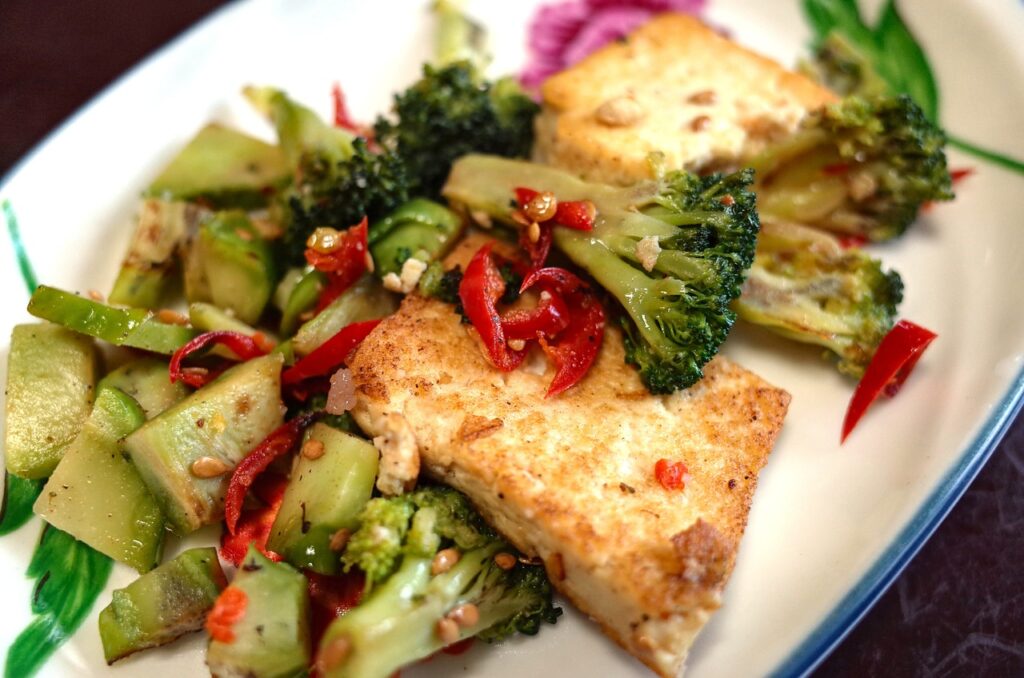
The rise of veganism is more than just a passing fad—it’s a movement reshaping the way we think about food, health, and our impact on the planet. With celebrities, athletes, and influencers touting the benefits of a plant-based lifestyle, it’s no wonder that more people are ditching animal products in favor of fruits, vegetables, grains, and legumes. But what exactly is driving this shift?
In this blog, we’ll explore the myriad benefits of a vegan diet, from its potential to improve your health and well-being to its positive effects on the environment. Whether you’re considering going vegan or just curious about what all the fuss is about, read on to discover how plant-powered living can transform your life.
The Vegan Voyage: Understanding the Basics
What Exactly is a Vegan Diet?
Veganism is a lifestyle that seeks to exclude all forms of animal exploitation and cruelty. When it comes to diet, this means avoiding all animal products, including meat, fish, dairy, eggs, and even honey.
But veganism isn’t just about what you don’t eat – it’s about embracing a whole world of delicious plant-based foods. Think colorful fruits, vibrant vegetables, hearty whole grains, protein-packed legumes, and nutrient-dense nuts and seeds. It’s a diet that celebrates the incredible diversity and richness of the plant kingdom.
Many people are surprised to learn that a vegan diet can include delicious alternatives to their favorite foods. Craving a burger? Try a black bean patty. Miss cheese? There are amazing cashew-based alternatives. Love ice cream? Coconut and oat milk versions are creamy and delicious. The world of vegan food is creative, diverse, and constantly evolving.
The Rise of Veganism: A Global Trend
Veganism isn’t just a fad – it’s a global movement that’s gaining momentum. According to a report in 2021, 9% of India’s population identified as vegan, and 25% identified as vegetarian. This is a higher percentage than other countries, with Western markets having 2–3% of the population identifying as vegan, and many European countries having 1–2%.
United States:In the US, about 2% of people are vegan, but many more are reducing their meat consumption. In 2021, plant-based seafood items marketed at retail in the US increased by 25%, and total retail sales increased by 14%.
United Kingdom: According to a survey by Veganz, the UK has the highest percentage of vegans in Europe, with 3.2% of the population identifying as vegan
This surge in plant-based eating isn’t limited to one particular part of the world. In China, the government has outlined a plan to reduce its citizens’ meat consumption by 50%. In Israel, dubbed the “vegan capital of the world,” an estimated 5% of the population follows a vegan diet.
Celebrities, athletes, and public figures are also embracing veganism, further boosting its popularity. From Beyoncé and Jay-Z to Lewis Hamilton and Novak Djokovic, many influential individuals are advocating for plant-based diets.
But what’s driving this green revolution? Let’s explore the compelling reasons why more and more people are choosing to go vegan.
Health Heroes: The Nutritional Power of Plants
Debunking the Deficiency Myth
One of the most common misconceptions about vegan diets is that they’re nutritionally deficient. However, a well-planned vegan diet can meet all your nutritional needs and may even offer health benefits that omnivorous diets can’t match.
Let’s break down some key nutrients and how vegans can easily obtain them:
Protein: Contrary to popular belief, it’s entirely possible to get enough protein on a vegan diet. Excellent sources include legumes (beans, lentils, chickpeas), nuts, seeds, whole grains, and soy products like tofu and tempeh. Many vegan athletes, including ultramarathon runners and bodybuilders, thrive on plant-based proteins.
Iron: Plant-based sources of iron include leafy greens, legumes, nuts, and fortified cereals. While plant-based iron (non-heme iron) is less easily absorbed than animal-based iron (heme iron), pairing iron-rich foods with vitamin C can enhance absorption.
Calcium: While dairy is often touted as the go-to calcium source, many plant foods are rich in this mineral. These include leafy greens like kale and collard greens, fortified plant milks, tofu processed with calcium sulfate, and sesame seeds.
Vitamin B12: This is one nutrient that vegans need to pay special attention to, as it’s primarily found in animal products. However, many plant-based foods are fortified with B12, and supplements are widely available and recommended for vegans.
Omega-3 fatty acids: While fish is a popular source of omega-3s, plant-based sources include flaxseeds, chia seeds, hemp seeds, and walnuts. Algae-based supplements are also available for those wanting to ensure optimal intake.
Remember, any diet – vegan or otherwise – needs to be well-planned to be healthy. The key is to eat a variety of whole plant foods to ensure you’re getting a wide range of nutrients.
The Health Benefits of a Vegan Diet
A. Improved Heart Health
One of the most well-known benefits of a vegan diet is its positive impact on heart health. By eliminating animal products, you’re cutting out saturated fats that can clog arteries and lead to heart disease. A vegan diet rich in whole grains, fruits, vegetables, nuts, and seeds can help lower cholesterol levels and reduce blood pressure. Studies have shown that vegans have a 32% lower risk of developing heart disease compared to meat-eaters.
But the heart-healthy benefits don’t stop there. A vegan diet is also rich in antioxidants, which help protect the body from oxidative stress and inflammation—two major contributors to heart disease. Foods like berries, dark leafy greens, and nuts are packed with these powerful compounds, making them an essential part of any heart-healthy diet.
B. Weight Management and Weight Loss
Struggling to lose weight? A vegan diet might be the answer. Plant-based diets are naturally lower in calories and high in fiber, which can help you feel full and satisfied without overeating. Fiber-rich foods like beans, lentils, and whole grains help regulate blood sugar levels, keeping hunger at bay and reducing the likelihood of unhealthy snacking.
Research has shown that vegans tend to have a lower body mass index (BMI) than meat-eaters, and they are less likely to be overweight or obese. Additionally, a vegan diet can improve insulin sensitivity, making it easier to lose weight and maintain a healthy weight over time.
C. Reduced Risk of Chronic Diseases
A vegan diet has been linked to a reduced risk of several chronic diseases, including type 2 diabetes, certain cancers, and hypertension. The abundance of fiber, antioxidants, and phytochemicals found in plant-based foods plays a crucial role in disease prevention.
For example, consuming a diet high in fruits and vegetables can lower the risk of developing type 2 diabetes by improving blood sugar control and reducing inflammation. Similarly, the high intake of fiber and antioxidants in a vegan diet can protect against various types of cancer, particularly colon and breast cancer.
D. Enhanced Digestion and Gut Health
Your gut health is crucial for overall well-being, and a vegan diet can significantly improve digestion. The fiber found in plant-based foods promotes regular bowel movements, prevents constipation, and supports a healthy gut microbiome. A balanced gut microbiome is essential for immune function, mental health, and even weight management.
Foods like bananas, onions, garlic, and asparagus are prebiotic-rich, meaning they feed the beneficial bacteria in your gut. A diet that includes these foods can help maintain a healthy gut environment, leading to better digestion and overall health.
Environmental Impact of a Vegan Diet
A. Reducing Your Carbon Footprint
One of the most compelling reasons to adopt a vegan diet is its positive impact on the environment. Animal agriculture is a significant contributor to greenhouse gas emissions, deforestation, and water pollution. By choosing plant-based foods, you can significantly reduce your carbon footprint and help combat climate change.
Studies have shown that a vegan diet can reduce an individual’s carbon footprint by up to 73%. This reduction is primarily due to the lower energy requirements of growing plants compared to raising animals for food. Additionally, plant-based diets require less land and water, making them a more sustainable choice for the planet.
B. Conserving Water and Natural Resources
Water is a precious resource, and a vegan diet is one of the most effective ways to conserve it. Animal agriculture is incredibly water-intensive, with vast amounts of water needed to grow feed crops, hydrate animals, and process meat and dairy products. By contrast, plant-based foods require significantly less water to produce.
For example, it takes approximately 1,800 gallons of water to produce just one pound of beef, while growing a pound of tofu requires only 300 gallons. By switching to a vegan diet, you can help reduce water consumption and protect this vital resource for future generations.
C. Protecting Biodiversity and Ecosystems
Animal agriculture is a leading cause of deforestation and habitat destruction, which threatens biodiversity and disrupts ecosystems. Forests are often cleared to make way for grazing land or to grow feed crops, leading to the loss of countless plant and animal species.
A vegan diet supports biodiversity by reducing the demand for animal products and the associated land-use changes. By choosing plant-based foods, you’re helping to protect the planet’s natural ecosystems and the species that depend on them.
D. Reducing Pollution and Waste
Animal agriculture is a major source of pollution, contributing to air and water contamination through the release of harmful chemicals and waste products. The use of pesticides, fertilizers, and antibiotics in animal farming can lead to the degradation of soil and water quality, affecting both human health and the environment.
A vegan diet generates less pollution and waste, as plant-based farming typically involves fewer chemical inputs and produces less waste. By adopting a vegan lifestyle, you can help reduce the environmental impact of food production and promote a cleaner, healthier planet.
Ethical Considerations and Animal Welfare
A. Ending Animal Cruelty
For many people, the decision to adopt a vegan diet is rooted in a desire to end animal cruelty. Factory farming practices often involve the confinement, mistreatment, and inhumane slaughter of animals. By choosing a vegan diet, you’re taking a stand against these practices and supporting a more compassionate food system.
Veganism is about recognizing the intrinsic value of all living beings and rejecting the exploitation of animals for food, clothing, and other purposes. By aligning your diet with your values, you can contribute to a more ethical and humane world.
B. Promoting Compassion and Empathy
A vegan diet encourages compassion and empathy for all living beings. By choosing not to consume animal products, you’re demonstrating a commitment to reducing harm and promoting kindness. This shift in perspective can have a profound impact on your overall well-being, fostering a deeper connection to the world around you.
Promoting compassion extends beyond just dietary choices; it also involves supporting brands and companies that prioritize animal welfare and environmental sustainability. By making mindful purchasing decisions, you can further amplify the positive impact of your vegan lifestyle.
C. Supporting Sustainable and Ethical Farming Practices
A vegan diet supports sustainable and ethical farming practices that prioritise the well-being of animals and the environment. Many plant-based food producers are committed to organic farming, regenerative agriculture, and fair trade practices. By choosing these products, you’re helping to create a food system that values sustainability, fairness, and compassion.
Supporting ethical farming practices also means reducing your reliance on industrial agriculture, which often prioritises profit over the well-being of animals and the planet. By making conscious food choices, you can help shift the demand towards more sustainable and humane farming methods.
D. Encouraging a Global Shift Towards Plant-Based Diets
As more people adopt vegan diets, the demand for plant-based foods continues to grow. This shift is driving innovation in the food industry, leading to the development of new and exciting plant-based products that are both delicious and sustainable.
By choosing a vegan diet, you’re contributing to a global movement that is changing the way we think about food and its impact on the world. As more people embrace plant-based living, we can collectively reduce the demand for animal products and create a more sustainable, compassionate future.
Practical Tips for Transitioning to a Vegan Diet
A. Start Slow and Gradual
Transitioning to a vegan diet doesn’t have to happen overnight. It’s okay to start slow and gradually incorporate more plant-based foods into your meals. Begin by swapping out one or two meals a week with vegan options, then gradually increase the number of vegan meals as you become more comfortable with the diet.
You can also try participating in challenges like “Meatless Monday” or “Veganuary” to ease into the vegan lifestyle. These challenges provide a supportive community and a structured approach to help you transition at your own pace.
B. Explore New Foods and Flavors
One of the joys of a vegan diet is the opportunity to explore a wide variety of new foods and flavors. The plant-based world is full of delicious and nutritious options that can add excitement and variety to your meals.
Experiment with different grains, legumes, fruits, and vegetables, and don’t be afraid to try new recipes or cuisines. You might discover a love for foods you never thought you’d enjoy, like quinoa, tempeh, or jackfruit. The key is to keep an open mind and have fun with your food choices.
C. Find Vegan Alternatives to Your Favorite Foods
Going vegan doesn’t mean giving up your favorite foods. Thanks to the growing popularity of veganism, there are now plant-based alternatives for almost everything, from burgers and sausages to cheese and ice cream.
Explore the wide range of vegan products available at your local grocery store or online, and try out different brands to find the ones you like best. With so many options, it’s easier than ever to enjoy the foods you love while sticking to a vegan diet.
D. Plan and Prepare Your Meals
Meal planning and preparation are essential for a successful vegan diet. Taking the time to plan your meals in advance can help you stay on track and ensure you’re getting all the nutrients you need.
Start by creating a weekly meal plan that includes a variety of foods from all the major food groups—fruits, vegetables, grains, legumes, nuts, and seeds. Make a shopping list based on your meal plan, and set aside time each week to prep ingredients and cook meals in advance.
Meal prepping can save you time and stress during the week, making it easier to stick to your vegan diet. Plus, having healthy, plant-based meals ready to go means you’re less likely to reach for unhealthy snacks or takeout when you’re short on time.
E. Stay Informed and Educated
As you transition to a vegan diet, it’s important to stay informed and educated about nutrition and wellness. While a vegan diet can provide all the nutrients you need, it’s essential to be mindful of certain nutrients like vitamin B12, iron, and omega-3 fatty acids.
Consider taking a vegan multivitamin or supplement if necessary, and make sure to include a variety of nutrient-dense foods in your diet. There are plenty of resources available online, including blogs, podcasts, and documentaries, that can help you stay informed and inspired on your vegan journey.
Delicious Discoveries:Essential Techniques and Ingredients
Vegan cooking can open up a whole new world of culinary creativity. Here are some basics to get you started:
Plant-Based Milk: Experiment with different types (soy, almond, oat, and coconut) to find your favorites for different uses—cooking, baking, or drinking.
Nutritional Yeast: This deactivated yeast has a cheesy, nutty flavor and is rich in B vitamins. It’s great sprinkled on popcorn or used in cheese-like sauces.
Tofu and Tempeh: These versatile soy products can be used in a variety of dishes, from stir-fries to sandwiches.
Legumes: Beans, lentils, and chickpeas are protein-packed staples in vegan cooking.
Whole Grains: Quinoa, brown rice, millet, and others provide complex carbohydrates and additional protein.
Nuts and Seeds: Great for snacking, in baking, or as additions to salads and main dishes.
Aquafaba: The liquid from canned chickpeas can be whipped up as an egg white substitute in baking.
Plant-Based Egg Replacers: For baking, try mashed banana, applesauce, ground flaxseed mixed with water, or commercial egg replacers.
Essential techniques include:
Marinating Tofu: Press tofu to remove excess water, then marinate for at least 30 minutes before cooking for maximum flavor.
Making Cashew Cream: Soak raw cashews, then blend with water for a creamy base for sauces and desserts.
Roasting Vegetables: Enhances flavors and creates satisfying textures.
Creating Umami: Use ingredients like miso paste, soy sauce, and mushrooms to add depth to dishes.
Veganizing Your Favorites: Plant-Based Twists on Classic Dishes
Missing your old favorites? Here are some ideas for vegan versions of classic dishes:
Mac and Cheese: Use cashew-based cheese sauce and nutritional yeast for that cheesy flavor.
Burgers: Try bean-based patties or commercial plant-based burgers.
Pizza: Top with vegan cheese and load up on veggies.
Ice Cream: Coconut milk or cashew-based ice creams can be just as creamy as dairy versions.
Scrambled Eggs: Crumbled tofu seasoned with turmeric and black salt (kala namak) makes a convincing scramble.
Chicken Nuggets: Battered and breaded cauliflower or seitan can satisfy that nugget craving.
Tacos: Use lentils or jackfruit as a meat substitute, topped with guacamole and salsa.
Global Vegan Cuisine: A World of Flavors
Vegan eating opens up a world of international cuisines. Many traditional dishes from around the world are naturally vegan or easily adapted:
Indian: Dal (lentil curry), chana masala (spiced chickpeas), and many vegetable curries.
Mexican: Bean burritos, guacamole, and veggie fajitas.
Mediterranean: Hummus, falafel, tabbouleh, and stuffed grape leaves.
Thai: Vegetable curries, pad thai with tofu, and mango sticky rice.
Japanese: Vegetable sushi rolls, miso soup, and vegetable tempura.
Ethiopian: Injera (flatbread) with various vegetable and lentil dishes.
Italian: Pasta with tomato sauce, vegetable risotto, and bruschetta.
Exploring these cuisines can add variety and excitement to your vegan journey.
Nutrition Myths: Addressing Common Concerns
Despite the growing body of evidence supporting the health benefits of vegan diets, some myths persist. Let’s address a few:
Myth: Vegans can’t get enough protein.
Reality: A well-planned vegan diet can easily meet protein needs through foods like legumes, nuts, seeds, and whole grains.
Myth: Vegan diets are automatically healthy.
Reality: While a whole-food, plant-based diet can be very healthy, processed vegan foods can be high in calories, sugar, and unhealthy fats.
Myth: You need dairy for strong bones.
Reality: Calcium is available in many plant foods, and studies show that countries with the highest dairy consumption often have the highest rates of osteoporosis.
Myth: Vegan diets are boring and restrictive.
Reality: A vegan diet can include a wide variety of delicious foods from cuisines around the world.
Myth: Vegan diets are expensive.
Reality: While some specialty vegan products can be pricey, staples like beans, rice, and vegetables are often the most affordable foods in the grocery store.
Health Considerations: Special Populations and Vegan Diets
While a well-planned vegan diet can be appropriate for all stages of life, some groups may need to pay extra attention to certain nutrients:
Pregnant and Breastfeeding Women: Need to ensure adequate intake of B12, iron, calcium, and omega-3 fatty acids.
Children and Teenagers: Should focus on getting enough calories, protein, calcium, and iron for growth and development.
Older Adults: May need to pay extra attention to vitamin B12, vitamin D, and calcium intake.
Athletes: Might need to consume more calories and protein to support their training.
It’s always a good idea to consult with a registered dietitian when making significant dietary changes, especially for these groups.
Conclusion
Embracing a vegan diet is a powerful way to enhance your health, protect the environment, and promote compassion for all living beings. Whether you’re motivated by health, environmental concerns, animal welfare, or a combination of factors, remember that every plant-based choice makes a difference. Start where you are, do what you can, and be open to learning and growing along the way. The vegan community is vibrant, supportive, and always evolving; we invite you to be part of it!
We’d love to hear about your experiences with veganism or plant-based eating. Have you tried incorporating more plant-based meals into your diet? What challenges have you faced? What benefits have you noticed? Share your thoughts and questions in the comments below – let’s continue this important conversation!