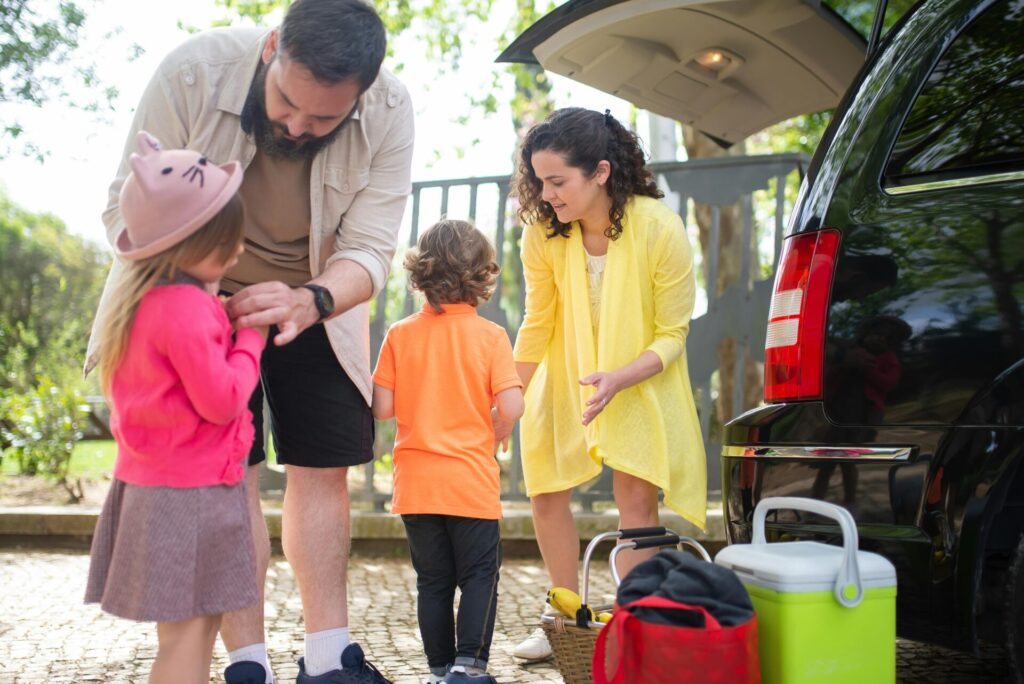
The art of traveling light isn’t just about avoiding baggage fees or waiting at the carousel – it’s about freedom. Picture yourself gliding through airports while others struggle with oversized luggage, or easily navigating narrow European streets without wrestling a massive suitcase. This comprehensive blog will transform you from an over-packer to a packing minimalist, making every journey smoother and more enjoyable.
The Psychology of Over-Packing: Breaking Free from “What-If” Syndrome
Why do we consistently pack more than we need? The answer lies in our natural tendency to prepare for every possible scenario. That extra pair of shoes “just in case” or the formal outfit for an impromptu fancy dinner that never happens – we’ve all been there.
Understanding this mindset is the first step to breaking free from it. Research shows that travelers typically wear only 60% of what they pack. More importantly, studies indicate that having fewer choices actually reduces stress and decision fatigue during trips.
To overcome over-packing:
Acknowledge that most “what-if” scenarios never materialize
Remember that most items can be purchased at your destination if truly needed
Focus on versatile items that serve multiple purposes
Trust that you can handle unexpected situations with less
The Essential Packing Formula: Your Universal Travel Blueprint
Travel packing can often feel like a daunting task, but a universal formula like the 5-4-3-2-1 Rule simplifies it to the essentials. Designed for trips lasting 5-7 days, this formula ensures you’re prepared for various scenarios without overpacking. Here’s how it works:
5 pairs of socks and underwear: A staple for hygiene and comfort. For longer trips, consider packing quick-dry fabrics to easily wash and reuse.
4 tops (a mix of casual and dressy): Choose versatile tops that can be layered or styled for different occasions, like a button-down shirt or a neutral blouse.
3 bottoms (pants, skirts, or shorts): Aim for multipurpose pieces, such as dark jeans, which work for casual outings and semi-formal settings.
2 pairs of shoes: Include one comfortable pair for walking and one dressier pair for evenings or formal events.
1 jacket or coat: Choose a lightweight, packable jacket if you’re heading to a milder climate or a warmer, weatherproof option for cooler destinations.
Adjusting for Longer Trips
For trips longer than a week, rely on laundry facilities rather than overloading your luggage. Alternatively, use travel-sized detergent to wash essentials by hand. This approach saves space and keeps your packing lightweight.
Tailoring the Formula
The 5-4-3-2-1 Rule is a guideline, not a one-size-fits-all solution. Adjust it based on:
Destination climate: Swap the jacket for a raincoat or an extra layer if needed.
Activities planned: Add specific items like swimwear, hiking boots, or formal attire.
Cultural considerations: Include modest clothing for regions with dress codes.
The Core Wardrobe Strategy
Creating a cohesive, functional travel wardrobe ensures you maximize your outfit combinations without overpacking. Use these principles to build your core wardrobe:
Stick to a color palette: Neutral tones like black, white, gray, and beige serve as a versatile base. Add 1-2 accent colors for variety, such as burgundy or teal.
Match tops and bottoms: Select pieces that can mix and match effortlessly, like a white blouse that pairs with jeans, a skirt, or dress pants.
Choose travel-friendly fabrics: Look for items that are wrinkle-resistant, lightweight, and quick-drying, such as merino wool, polyester blends, or technical fabrics.
Focus on versatility: Include items like a scarf that doubles as a shawl or a dress that can transition from day to evening.
Pack a formal backup: A simple black dress or collared shirt can save the day for unexpected formal occasions.
Once you’ve selected your items, packing them efficiently is the next step. Space-saving and wrinkle-prevention techniques ensure your belongings stay neat and ready to wear.
The Rolling vs. Folding Debate
Rolling your clothes is a tried-and-true method for casual and flexible fabrics, while folding is better for structured or delicate items. Here’s when to use each technique:
Roll:
T-shirts, casual tops, and workout gear: Rolling saves space and minimizes creases.
Underwear and socks: Roll or bundle these items into compact shapes to fill gaps.
Jeans and cotton pants: Rolling works well for durable fabrics that resist wrinkles.
Casual dresses: Lightweight, unstructured dresses roll neatly without damage.
Fold:
Blazers and jackets: Folding preserves the integrity of structured items.
Dress shirts: Use folding to avoid deep creases along visible seams.
Delicate fabrics: Silk or chiffon should be folded carefully with tissue paper to prevent snagging.
Formal wear: Protect these items in garment bags or fold them loosely for minimal creasing.
Additional Packing Tips
Use packing cubes: They help organize items by category and compress clothing to save space.
Layer and wear bulkier items: If you’re bringing heavy boots or a large coat, wear them during transit to free up luggage space.
Bring travel-sized laundry tools: A portable detergent, sink stopper, or laundry line can make handwashing simple and efficient.
Don’t forget the extras: Essential accessories like a compact umbrella, reusable water bottle, and universal travel adapter are must-haves for convenience and comfort.
With these essential formula, strategic wardrobe planning, and efficient packing techniques, you can enjoy a streamlined, stress-free travel experience.
The Layer Method: Efficient Packing Simplified
The Layer Method is all about packing strategically to maximize space and minimize wrinkles while keeping your suitcase organized and accessible. Here’s how to do it:
Heavy Items at the Bottom: Place sturdy, heavier items like shoes, toiletries, or books at the bottom. Use shoe bags or covers to keep everything clean.
Rolled Clothes in the Middle: Rolling clothes not only saves space but also reduces wrinkles. Roll casual wear like t-shirts, jeans, and workout clothes, stacking them snugly in the middle layer.
Folded Items on Top: Place more structured or delicate items—like blouses, dresses, or button-down shirts—folded neatly on top. This minimizes the risk of wrinkling and keeps them accessible for quick retrieval.
Fill Gaps with Socks and Underwear: Tuck smaller items into corners, inside shoes, or between larger pieces to maximize every inch of space.
Delicate Items in Protective Covers: Use packing cubes or protective cases for fragile items like jewelry or electronics to ensure they remain safe throughout your journey.
Tech-Smart Packing: Digital Solutions for Modern Travelers
Incorporating technology into your packing strategy can significantly lighten your load while enhancing convenience.
Digital Alternatives to Physical Items
Ditch bulky physical items by going digital:
E-Books Over Physical Books: Load up your e-reader or tablet with a variety of reading material.
Offline Maps Over Guidebooks: Download maps and travel guides onto your smartphone or tablet for instant access.
Digital Document Storage: Keep scanned copies of important travel documents (passport, ID, itinerary) on your phone or cloud storage.
Mobile Boarding Passes: Skip paper tickets by using mobile check-ins and boarding passes.
Stream Entertainment: Access movies, shows, or music via streaming services instead of carrying DVDs or physical media.
Essential Tech Organization
Stay on top of your gadgets with these organization tips:
Tech Pouch: Use a compact pouch to store cables, chargers, and small tech items.
Universal Adapter: A versatile adapter ensures you’re prepared for any country’s electrical outlets.
Portable Battery Pack: Keep your devices charged on the go with a power bank.
Cable Ties or Organizers: Prevent your cords from tangling by bundling them with ties or clips.
Personal Item Storage: Keep essential tech in your carry-on or personal item for easy access during transit.
The Capsule Wardrobe Approach: Mix-and-Match Magic
A capsule wardrobe streamlines your packing process, ensuring versatility and style with fewer pieces.
Building Your Travel Capsule
Follow these principles to craft a wardrobe that adapts to your travel needs:
Versatility: Choose clothing items that work across multiple outfits. A single shirt should match with at least three other pieces.
Destination-Appropriate: Select fabrics and layers suitable for your destination’s weather and activities.
Layering Basics: Include items like cardigans or jackets that provide warmth or can elevate a casual outfit.
Transformative Accessories: Scarves, belts, and jewelry can take an outfit from day to night effortlessly.
Example 10-Piece Capsule Wardrobe
These essentials create over 15 outfit combinations:
Dark Jeans: A go-to pair that works for casual and semi-formal settings.
Neutral Pants: Adds variety and pairs with multiple tops.
Versatile Dress/Skirt: Great for dressy dinners or casual sightseeing.
White Button-Down Shirt: A timeless piece for layering or wearing solo.
Basic T-Shirt: Comfortable and casual for all-day wear.
Light Sweater: Perfect for chilly mornings or layering.
Cardigan or Blazer: Adds polish to any outfit.
Comfortable Walking Shoes: Essential for long days exploring.
Dressier Shoes: For more formal occasions.
Light Jacket or Coat: Adaptable for various climates.
This minimalist approach ensures you’re ready for everything from casual days to formal evenings without overpacking.
Toiletries and Personal Care: Minimalist Beauty and Grooming
Master the 3-1-1 Rule for Liquids
The TSA’s 3-1-1 rule for liquids (3.4 ounces or less, 1 quart-sized bag, 1 bag per passenger) can be challenging, but with some clever strategies, you can pack everything you need without compromising on convenience or functionality:
Solid Alternatives: Opt for solid versions of toiletries like shampoo bars, conditioner bars, solid deodorants, and toothpaste tablets. These not only save space but also eliminate the hassle of liquid restrictions.
Refillable Travel Containers: Invest in durable, leak-proof travel containers to decant your favorite products. Look for ones with a wide mouth for easy filling and cleaning.
Multi-Use Products: Choose dual-purpose items like a tinted moisturizer with SPF or a body wash that doubles as shampoo.
Travel-Sized and Samples: Collect samples or buy travel-sized versions of your regular products. Many beauty and skincare brands offer these for free with purchases.
Buy at Your Destination: For extended trips, consider purchasing toiletries at your destination. This approach saves packing space and ensures you adhere to local guidelines.
Essential Toiletries Checklist Create a streamlined toiletries bag with travel-sized versions of these must-haves:
All-in-One Products: Simplify with items like an all-in-one body wash and shampoo.
Face Care Essentials: Pack a gentle cleanser and a moisturizer with SPF.
Oral Hygiene: Bring a toothbrush, toothpaste, and floss.
Deodorant: Opt for a compact stick or roll-on.
Minimal Makeup: Include basics like mascara, a neutral lipstick, and compact powder.
First-Aid Basics: Add adhesive bandages, antiseptic wipes, and pain relievers.
Destination-Specific Packing: Tailor Your Bag to the Trip
Business Travel Professionalism meets practicality:
Wrinkle-Resistant Clothing: Pack suits, blazers, or dresses made from wrinkle-resistant fabrics.
Neutral Color Palette: Stick to blacks, grays, and whites for versatile outfit combinations.
Comfortable Professional Shoes: Choose footwear that can handle long days but still look polished.
Minimal Accessories: A simple watch or necklace suffices; avoid overpacking jewelry.
Tech Tools: Include a lightweight laptop, presentation clicker, and necessary cables.
Beach Vacation Breeze through your beach trip with lightweight essentials:
Swimwear: Two quick-dry swimsuits for rotation.
Cover-Ups: Pick options that transition from the beach to casual outings.
Sun Protection: Hat, sunglasses, and reef-safe sunscreen are a must.
Footwear: Flip-flops for the beach and water shoes for aquatic adventures.
Light Evening Layers: A cardigan or scarf for cooler nights.
Adventure Travel Gear up for rugged explorations:
Functional Clothing: Moisture-wicking tops, convertible pants/shorts, and thermal layers.
Sturdy Footwear: Hiking boots or trail shoes with proper ankle support.
Weather Gear: Lightweight rain jackets or windbreakers.
Safety Items: A compact first-aid kit, headlamp, and multi-tool.
Compact Storage: Lightweight backpack or dry bags for essentials.
Urban Exploration Combine practicality and style:
Comfortable Shoes: Walking-friendly shoes with good arch support.
Smart Outfits: Stylish clothing that transitions from sightseeing to evening outings.
Layered Clothing: Pack for varying weather with versatile layers.
Secure Accessories: Crossbody bags or anti-theft backpacks.
Weather-Ready Items: A compact umbrella or foldable rain jacket.
Advanced Packing Strategies: Travel Like a Pro
Compression Techniques Save precious luggage space:
Packing Cubes: Separate items by category and use compression cubes to reduce bulk.
Vacuum Bags: Use these for bulky items like jackets or sweaters.
Roll and Compress: Roll clothes tightly before placing them in compression bags.
Minimize Air Gaps: Tuck small items into shoes or hats.
Multi-Use Items Optimize utility with versatile gear:
Sarong: Functions as a blanket, scarf, wrap, or beach towel.
Convertible Pants: Zip-off designs double as pants and shorts.
Reversible Clothing: Choose items with different looks on each side.
Multi-Tool Accessories: A compact tool with scissors, a knife, and a bottle opener.
Convertible Bags: Backpacks that transform into tote bags or duffels.
Master these techniques and tips to pack smarter, lighter, and more efficiently for any journey!
Sustainable Packing: Eco-Friendly Travel
Traveling sustainably begins with thoughtful packing choices that minimize waste, reduce environmental impact, and promote reusable solutions. Here’s an expanded guide to eco-conscious packing strategies and lists.
Environmental Considerations
Your packing decisions can make a significant environmental difference. Here’s how to approach eco-friendly packing with intentionality:
Pack Reusable Water Bottles and Shopping Bags: Minimize single-use plastics by carrying a reusable water bottle and foldable cloth shopping bags for impromptu grocery runs or souvenir shopping.
Choose Sustainable Clothing Materials: Opt for clothes made from organic cotton, bamboo, hemp, or recycled materials. These fabrics often have a smaller environmental footprint and are biodegradable.
Bring Refillable Toiletry Containers: Instead of travel-sized disposable bottles, invest in refillable silicone or metal toiletry containers. Fill them with your favorite products to reduce waste.
Pack Minimal Single-Use Items: Avoid items like disposable razors, plastic cutlery, and packaged snacks. Instead, choose long-lasting, reusable alternatives.
Select Durable, Long-Lasting Gear: From luggage to travel gadgets, prioritize quality items that can withstand frequent use and reduce the need for replacements.
Sustainable Packing List
Create a packing list that reflects eco-friendly principles. Some essential items to consider include:
Reusable Water Bottle: Look for bottles with built-in filters for regions with questionable water quality.
Cloth Shopping Bag: Lightweight and versatile, perfect for shopping or carrying extra items.
Metal/Bamboo Utensils: A portable cutlery set eliminates the need for disposable plastic utensils during meals on the go.
Refillable Toiletry Containers: Compact, leak-proof containers can store all your personal care essentials.
Natural Fiber Clothing: Choose breathable, comfortable clothing that’s gentle on the planet and easy to care for during your travels.
The One-Bag Challenge: Ultimate Light Packing
Traveling with just one bag not only simplifies your journey but also forces you to focus on essentials. This minimalist approach is perfect for reducing stress, saving time, and being kind to the environment.
Choosing the Perfect Bag
Your travel bag is the cornerstone of successful one-bag packing. Look for these features:
Consider Airline Size Restrictions: Opt for a bag that fits as a carry-on, maximizing space without the hassle of checked luggage.
Look for Organizational Features: Compartments, zippered pockets, and external access points help keep items in order.
Ensure Comfortable Carrying Options: Padded shoulder straps, adjustable belts, and ergonomic designs make carrying a breeze.
Choose Durable Materials: Weather-resistant fabrics like ripstop nylon or recycled polyester ensure your bag withstands wear and tear.
Consider Weight When Empty: A lightweight bag allows you to use more of the weight allowance for your essentials.
One-Bag Packing Tips
Packing efficiently into a single bag takes some practice, but these tips will set you up for success:
Use Every Space Efficiently: Roll clothes, use compression cubes, and tuck socks or small items into shoes to maximize space.
Pack in Layers for Easy Access: Place less-needed items at the bottom and daily essentials on top for quick retrieval.
Keep Frequently Needed Items Accessible: Have a dedicated pocket or pouch for items like passports, chargers, and snacks.
Balance Weight Distribution: Arrange heavier items near your back and center to maintain comfort.
Use External Attachment Points Wisely: Attach lightweight gear like a jacket or travel pillow to save interior space.
Special Considerations: Unique Packing Scenarios
Different travel scenarios require tailored packing strategies to ensure smooth and stress-free trips. Below are tips for specific situations.
Family Travel
Packing for a family can feel overwhelming, but a strategic, minimalist approach keeps things manageable:
Share Toiletries and Electronics: Use communal items like toothpaste, chargers, or a tablet to reduce duplication.
Pack Coordinating Clothes for Mix-and-Match: Choose a neutral color palette to allow easy outfit combinations for everyone.
Assign Packing Cubes by Person: Give each family member their own color-coded cube for streamlined organization.
Distribute Essential Items Across Bags: Avoid disaster by ensuring each bag contains a few key essentials, like a change of clothes or toiletries.
Plan for Laundry: Pack a small detergent pouch and use laundromats or hotel services to reduce the need for excessive clothing.
Long-Term Travel
For extended trips, adapting a minimalist approach ensures you’re prepared for changing needs without overpacking:
Plan for Seasonal Changes: Pack lightweight, versatile layers for shifting climates, and consider a packable jacket for colder months.
Include Repair Items: Bring a small sewing kit or duct tape for quick fixes to clothes or gear.
Pack High-Quality, Durable Items: Invest in rugged shoes, multi-functional clothing, and travel accessories designed to last.
Consider Shipping or Storing Seasonal Items: Send home or store items you won’t need for upcoming seasons.
Budget for Replacement Items: Account for purchasing or replacing worn-out essentials during your trip.
By adopting these sustainable and minimalist packing strategies, you’ll not only lighten your load but also make a positive impact on the environment and your travel experience.
Essential Packing Lists by Trip Length
Packing efficiently depends on the trip duration and activities planned. Here are tailored lists:
Weekend Getaway
2 Tops: Opt for versatile shirts, such as a casual tee and a dressy top.
1 Bottom: Choose multipurpose pants, shorts, or skirts.
1 Pair of Shoes: Comfortable walking shoes or a dual-purpose option.
Complete Toiletries Kit: Include extras like razor, nail clippers, and medication.
Electronics and Backups: Pack spare chargers, batteries, and storage devices.
Seasonal Clothing: Layers for changing weather conditions.
Laundry Supplies: Include detergent sheets, a sink stopper, and a portable laundry line.
Pre-Trip Planning and Preparation
The Pre-Pack Process Efficient packing starts with thorough preparation:
Check Weather Forecasts:
Plan clothing for expected temperatures and precipitation.
Review Planned Activities:
Tailor outfits to match the itinerary (e.g., formal dinner, hiking).
Create a Packing List:
Use travel apps or a written checklist for a systematic approach.
Gather Items in Advance:
Lay everything out to ensure you’re not missing anything.
Try On Clothing Combinations:
Confirm comfort and compatibility of outfit options.
Final Checks Before sealing your suitcase:
Weigh Your Bag:
Use a portable luggage scale to avoid overpacking.
Review Airline Restrictions:
Double-check size and weight allowances.
Check Essential Documents:
Ensure passports, tickets, and ID are easily accessible.
Ensure Valuables Are Accessible:
Keep essentials like wallets and electronics in carry-on bags.
Photograph Packed Items:
Snap a quick photo for insurance purposes or to remember what you packed.
With these organization and maintenance strategies, you can enjoy a hassle-free travel experience while staying prepared for any situation!
Conclusion
The art of packing light is a journey that transforms how you travel. Packing light is a skill anyone can master with a bit of planning and practice. By prioritizing essentials, choosing versatile clothing, and using clever hacks, you can lighten your load and make travel a breeze. Remember, the goal isn’t to pack perfectly but to pack smartly and efficiently for your unique adventures.
Do you have your own packing tips or tricks? We’d love to hear about your packing victories and challenges – share your experiences in the comments below! What’s your favorite packing tip? Let’s inspire each other to travel smarter and lighter.