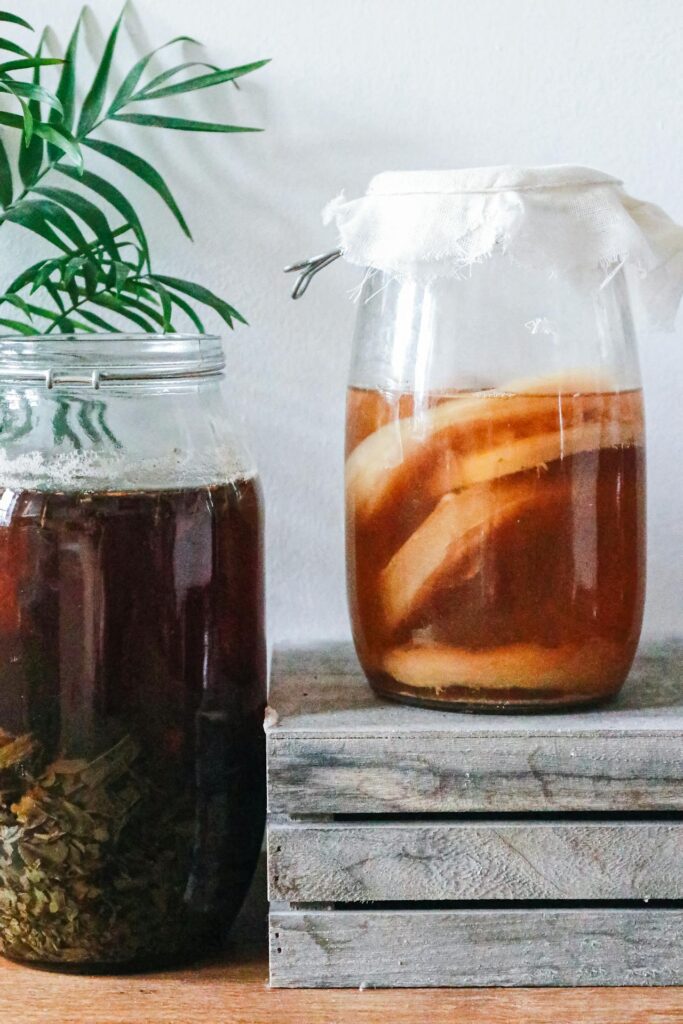
In recent years, fermented foods have surged in popularity, praised for their gut health benefits and unique flavors. From kombucha and kimchi to yogurt and miso, these probiotic-rich foods have become staples in modern wellness trends. But fermentation is far from a discovery—it has been an essential part of human diets for thousands of years.
The Rise in Popularity of Fermented Foods
Health-conscious consumers are increasingly turning to fermented foods as research continues to highlight their role in digestive health, immunity, and even mental well-being. The demand for natural, probiotic-rich foods has led to a revival of traditional fermentation practices, with grocery store shelves and restaurant menus now featuring an array of fermented options. Social media influencers and nutritionists alike endorse these foods, further fueling their widespread appeal.
Why Our Ancestors Relied on Fermentation for Preservation
Before refrigeration, fermentation was one of the most reliable methods for preserving food. Ancient civilizations across the world—from Korean kimchi and Indian achar to European sauerkraut—used fermentation to extend the shelf life of seasonal produce, dairy, and meat. This process not only helped prevent spoilage but also enhanced the nutritional value of food. By fermenting foods, our ancestors unknowingly encouraged the growth of beneficial bacteria that improved digestion and overall health.
This blog will explore the many advantages of fermented foods, from improving digestion and boosting immunity to adding depth and complexity to meals. You’ll also find practical tips on fermenting at home, troubleshooting common mistakes, and easy recipes to incorporate these gut-friendly foods into your daily diet. Whether you’re a beginner or an experienced fermenter, this guide will help you make the most of fermentation’s powerful benefits.
So grab your mason jars and prepare to transform simple ingredients into probiotic powerhouses. Your gut will thank you, your taste buds will be thrilled, and you might just discover a new culinary hobby that connects you to ancient food traditions from around the world!
The Science of Fermentation: Bacteria Working Their Magic
The Science Behind Fermentation and Probiotics
Fermentation is a metabolic process in which microorganisms—such as bacteria, yeast, and molds—break down carbohydrates (like sugars and starches) into alcohol or organic acids. This process not only creates unique textures and flavors but also generates beneficial probiotics, which are live bacteria that support gut health.
Probiotics play a crucial role in maintaining a balanced gut microbiome, aiding digestion, strengthening the immune system, and even influencing mood and cognitive function. Fermented foods contain diverse strains of these beneficial microbes, making them a natural and effective way to support overall well-being.
What Exactly Is Fermentation?
Fermentation occurs when microorganisms – primarily bacteria and yeasts – convert carbohydrates into alcohol, acids, or gases. This process not only preserves food but also creates an environment rich in beneficial bacteria (probiotics) and enhances the nutritional profile of the original ingredients.
There are different types of fermentation, but when it comes to food, lacto-fermentation is the star. During lacto-fermentation, naturally present bacteria called Lactobacillus convert sugars into lactic acid. This increasing acidity creates the tangy flavor we associate with foods like sauerkraut and kimchi, while also preventing harmful bacteria from growing.
The Bacterial Heroes
The main heroes in fermented foods are lactic acid bacteria, which include various strains of Lactobacillus, Leuconostoc, and Pediococcus. These microscopic powerhouses not only preserve our food but also:
Create acids that give fermented foods their distinctive tang
Produce enzymes that help break down proteins and carbohydrates
Make vitamins more bioavailable
Create new compounds with antioxidant properties
Crowd out potentially harmful bacteria
While it might seem counterintuitive to intentionally cultivate bacteria in our food, these beneficial microorganisms have been our allies throughout human history.
Health Benefits: Why Your Body Loves Fermented Foods
The relationship between fermented foods and human health is a fascinating one. Modern science is only now catching up to what traditional cultures have known for millennia – these foods offer incredible benefits beyond basic nutrition. Here’s how fermented foods can enhance your well-being.
Improved Gut Health & Digestion
One of the key benefits of fermented foods is their positive impact on gut health. They contain probiotics—beneficial bacteria that help maintain a balanced gut microbiota. A healthy gut microbiome plays a crucial role in breaking down food, producing essential nutrients, and supporting overall digestion.
Fermented foods such as yogurt, kefir, sauerkraut, and kimchi can help prevent bloating and indigestion by promoting a diverse and balanced gut flora. The fermentation process pre-digests food, making it easier for the body to absorb nutrients while reducing gastrointestinal discomfort.
Boosts Immunity
The gut is home to nearly 70% of the body’s immune cells, making gut health essential for a strong immune system. Probiotics found in fermented foods help regulate immune responses and protect against harmful pathogens.
Fermented foods like miso, tempeh, and kombucha contain beneficial bacteria that enhance the body’s natural defense mechanisms. By reducing inflammation and supporting the production of antibodies, these foods contribute to better immune function and overall health.
Better Nutrient Absorption
Fermentation improves nutrient bioavailability by breaking down anti-nutrients—compounds that interfere with nutrient absorption. Anti-nutrients such as phytic acid, found in grains and legumes, can hinder mineral absorption, but fermentation neutralizes these compounds.
Additionally, fermented foods increase the availability of essential vitamins and minerals, such as B vitamins, folate, and magnesium. This means the body can absorb more nutrients from food, leading to better overall health.
Mental Health Benefits
The gut-brain connection plays a significant role in mood regulation, and fermented foods contribute to mental well-being by supporting gut health. The microbiota in the gut produces neurotransmitters like serotonin and dopamine, which influence mood and stress levels.
Probiotics in fermented foods have been linked to reduced symptoms of anxiety and depression. Consuming foods like yogurt, kefir, and kimchi may help improve mental wellness by fostering a healthy gut-brain axis.
Weight Management & Metabolism
Fermented foods can aid in weight management by supporting metabolism and fat-burning processes. Probiotics help regulate appetite-controlling hormones such as leptin and ghrelin, which influence hunger and satiety.
Fermented foods enhance digestion and reduce inflammation, both of which are crucial for a healthy metabolism. Some studies suggest that probiotic-rich diets can lower body fat percentage and improve insulin sensitivity, making them beneficial for weight loss and metabolic health.
Popular Fermented Foods and Their Benefits
Fermentation has been used for centuries to enhance the flavor, shelf life, and nutritional value of foods. Many fermented foods are packed with probiotics, beneficial bacteria that support gut health, digestion, and overall well-being. Here’s a look at some of the most popular fermented foods and their benefits.
1. Yogurt – Probiotic-Rich Dairy Product for Gut Health
Yogurt is one of the most well-known fermented foods, made by adding live bacterial cultures to milk. These probiotics help balance gut flora, improve digestion, and strengthen the immune system. Yogurt is also an excellent source of calcium, protein, and vitamins like B12 and riboflavin.
2. Kefir – Nutrient-Packed, Tangy Probiotic Drink
Kefir is a fermented milk drink similar to yogurt but with a thinner consistency and a higher probiotic content. It contains a diverse range of beneficial bacteria and yeasts that support gut health, boost immunity, and may help reduce inflammation. Kefir is also rich in protein, calcium, and essential amino acids.
3. Kimchi – Spicy Korean Superfood Packed with Antioxidants
Kimchi is a staple in Korean cuisine, made by fermenting cabbage, radish, and other vegetables with seasonings like garlic, ginger, and chili pepper. It is loaded with probiotics, fiber, and antioxidants that aid digestion, promote gut health, and reduce inflammation. The capsaicin in chili peppers may also help boost metabolism.
4. Sauerkraut – Traditional Fermented Cabbage with Digestive Benefits
Sauerkraut is a fermented cabbage dish commonly found in European cuisine. It is rich in probiotics, fiber, and vitamin C, making it excellent for digestive health and immune support. Fermented cabbage also contains beneficial enzymes that improve nutrient absorption.
5. Kombucha – Fizzy Tea Loaded with Probiotics
Kombucha is a fermented tea made by adding a symbiotic culture of bacteria and yeast (SCOBY) to sweetened tea. The fermentation process produces probiotics, organic acids, and antioxidants that may aid digestion, detoxify the liver, and support immune function. The natural carbonation also makes it a refreshing alternative to sugary sodas.
6. Miso – Japanese Fermented Soybean Paste for Gut-Friendly Soups
Miso is a traditional Japanese seasoning made by fermenting soybeans with salt and koji (a type of fungus). It is commonly used in soups, marinades, and sauces. Miso is rich in probiotics, B vitamins, and essential minerals like zinc and manganese. Regular consumption may support gut health, improve digestion, and enhance immune function.
7. Tempeh – Protein-Rich Plant-Based Meat Alternative
Tempeh is a fermented soybean product with a firm texture and nutty flavor. Unlike tofu, tempeh undergoes fermentation, which enhances its nutritional profile by increasing its protein content and making it easier to digest. It is an excellent plant-based source of protein, fiber, and probiotics, making it ideal for vegetarians and vegans.
8. Pickled Vegetables – Naturally Fermented, Crunchy, and Flavorful
Unlike vinegar-pickled vegetables, naturally fermented pickles are made using salt brine and beneficial bacteria. They are rich in probiotics, vitamins, and antioxidants that support digestion and gut health. Popular fermented vegetables include cucumbers, carrots, radishes, and beets.
9. Natto – Unique Japanese Superfood Rich in Vitamin K2
Natto is a traditional Japanese dish made from fermented soybeans. It has a strong flavor and sticky texture, which may take some getting used to. However, it is one of the richest sources of vitamin K2, a nutrient essential for bone health and heart health. Natto also contains probiotics that promote a healthy gut and may help reduce inflammation.
Fermented foods are a delicious and natural way to support gut health, boost immunity, and improve digestion. !
Must-Try Fermented Foods and How to Make Them at Home
1. Kimchi (Spicy Fermented Cabbage)
A Korean staple, kimchi is loaded with probiotics, vitamins, and fiber.
Simple Kimchi Recipe:
Ingredients:
1 Napa cabbage, chopped
2 tbsp sea salt
1 tbsp ginger, grated
3 cloves garlic, minced
2 tbsp fish sauce (or soy sauce for vegans)
1 tbsp sugar
2 tbsp chili flakes (adjust to taste)
2 green onions, chopped
Instructions:
Mix cabbage with salt and let sit for 1-2 hours.
Rinse and drain the cabbage, then mix with the remaining ingredients.
Pack tightly into a jar and leave at room temperature for 3-5 days.
Store in the fridge and enjoy!
2. Kombucha (Fermented Tea)
This fizzy, slightly sweet drink is packed with probiotics and antioxidants.
Basic Kombucha Recipe:
Ingredients:
4 cups black or green tea
1 cup sugar
1 SCOBY (symbiotic culture of bacteria and yeast)
8 cups filtered water
Instructions:
Brew the tea, dissolve the sugar, and let it cool.
Add the SCOBY and cover with a cloth.
Let it ferment for 7-14 days.
Bottle and refrigerate before drinking.
3. Sauerkraut (Fermented Cabbage)
A classic European probiotic food that supports digestion.
Easy Sauerkraut Recipe:
Ingredients:
1 head of cabbage, shredded
1 tbsp sea salt
Instructions:
Massage salt into cabbage until liquid is released.
Pack into a jar, submerge cabbage in its juices, and cover.
Let it ferment for 1-2 weeks before refrigerating.
4. Yogurt (Probiotic Dairy or Plant-Based Alternative)
A staple in many diets, yogurt is excellent for gut health.
Homemade Yogurt Recipe:
Ingredients:
4 cups milk (dairy or non-dairy)
2 tbsp plain yogurt with live cultures
Instructions:
Heat milk until warm but not boiling.
Mix in yogurt and pour into a container.
Let it sit in a warm place for 8-12 hours.
Refrigerate and enjoy!
5. Miso (Fermented Soybean Paste)
A key ingredient in Japanese cuisine, miso is rich in probiotics and has an umami flavor.
Miso Soup Recipe:
Ingredients:
4 cups water
2 tbsp miso paste
1 cup tofu, cubed
1 green onion, chopped
1 sheet seaweed, sliced
Instructions:
Heat water and dissolve miso paste.
Add tofu, seaweed, and green onions.
Serve hot!
Tips for Fermenting at Home
Fermenting at home is simple, but following best practices ensures a safe and delicious result. Here’s why these tips matter:
Use Clean Utensils and Jars
Maintaining cleanliness is crucial to prevent contamination. Always wash your hands, use sterilized jars, and avoid introducing harmful bacteria that could spoil the ferment.
Keep It at the Right Temperature (65-75°F)
Temperature plays a key role in fermentation. Too cold, and the process slows down significantly; too hot, and it may promote the growth of unwanted microbes or lead to over-fermentation. Keeping it within the ideal range ensures consistent, healthy fermentation.
Taste Regularly to Monitor Fermentation Levels
Fermentation is a dynamic process, and flavors develop over time. Tasting your ferment every few days helps you determine when it has reached the desired tanginess or texture. If left too long, it may become overly sour or soft.
Store in the Fridge Once Fermentation Is Complete
Once you’re happy with the taste, move the ferment to the refrigerator. Cold storage significantly slows down fermentation, preserving flavors and preventing spoilage while maintaining probiotic benefits.
Common Fermentation Mistakes to Avoid
Fermentation is a fantastic way to preserve food while enhancing its flavor and health benefits, but it’s not without challenges. Here’s how to troubleshoot common mistakes and ensure successful fermentation:
1. Why Does My Fermented Food Smell Bad?
Not all strong smells mean spoilage—fermentation naturally produces sour, tangy, or funky aromas. However, if your ferment smells rotten, like ammonia, or overwhelmingly putrid, there may be an issue.
Possible reasons:
Unwanted bacteria: If harmful bacteria take over, they can produce unpleasant odors.
Improper salt ratio: Too little salt allows bad microbes to grow, while too much may hinder beneficial bacteria.
Contamination: Dirty hands, unclean jars, or exposure to air can introduce unwanted microbes.
Solution:
Always use clean utensils and sterilized jars.
Stick to recommended salt concentrations (e.g., 2-3% salt brine for vegetables).
Ensure your ferment stays submerged under liquid to prevent oxygen exposure.
2. Dealing with Mold and Contamination
Mold usually appears as fuzzy, blue, black, or pink growth on the surface of the ferment, while kahm yeast (a harmless white film) is not dangerous but can affect taste.
How to prevent mold:
Keep ferments submerged: Use a fermentation weight or a cabbage leaf to keep vegetables under the brine.
Use an airlock or cover with a tight lid: This reduces oxygen exposure, preventing mold growth.
Use the right salt and water: Avoid iodized salt and chlorinated water, as they can disrupt the fermentation process.
What to do if you see mold?
If it’s a small amount of mold on the surface, you can remove it and the surrounding layer, ensuring the rest smells and tastes fine.
If mold has penetrated deeper, or if the smell is rancid, it’s best to discard the batch.
3. Preventing Over-Fermentation
Fermentation continues as long as conditions allow, leading to excessive sourness or mushy textures over time.
How to control it:
Monitor temperature: Fermentation speeds up in warm environments. Store at 60-75°F (15-24°C) for ideal results.
Taste test regularly: Ferments develop flavor over time, so sample them every few days to catch the perfect taste.
Refrigerate once desired flavor is reached: Cold temperatures slow down fermentation significantly, preventing excessive souring.
4. Storage Tips for Longer Shelf Life
Proper storage ensures your fermented foods stay fresh and delicious for months.
Refrigerate or keep in a cool place: This slows fermentation and prevents spoilage.
Use airtight containers: Ferments stored in glass jars with airtight lids retain freshness longer.
Minimize air exposure: Always press veggies down before sealing to prevent oxidation.
Check periodically: If you see excess gas buildup in jars, burp them slightly to release pressure.
By following these tips, you can enjoy delicious, healthy fermented foods without unwanted issues. Happy fermenting!
Integrating Fermented Foods Into Your Daily Diet
The key to reaping the benefits of fermented foods is consistent consumption. Here are some easy ways to include them in your meals:
Add a forkful of sauerkraut or kimchi to your plate at dinner
Use yogurt or kefir as the base for breakfast smoothies
Replace mayonnaise with fermented alternatives like crème fraîche
Start the day with sourdough toast
Incorporate miso into soups, dressings, and marinades
Enjoy kombucha as an afternoon pick-me-up instead of soda
Use fermented pickles as a sandwich topping or snack
Remember that a little goes a long way – you don’t need large servings to benefit. Starting with small amounts helps your digestive system adjust to the increased probiotic intake.
Frequently Asked Questions About Fermented Foods
1. Can I Eat Fermented Foods Every Day?
Yes! Fermented foods are rich in probiotics, which support gut health and digestion. However, moderation is key.
Considerations:
Start slow – If you’re new to fermented foods, begin with small portions to let your gut adjust.
Listen to your body – Some people may experience bloating or mild digestive discomfort initially.
Variety matters – Rotate different types of fermented foods (yogurt, kimchi, sauerkraut, miso) for a balanced gut microbiome.
2. Are Fermented Foods Safe for Everyone?
For most people, fermented foods are safe and beneficial, but there are some exceptions.
Who should be cautious?
People with histamine intolerance – Fermented foods contain histamines, which can trigger reactions like headaches or skin issues in sensitive individuals.
Those with compromised immune systems – Individuals undergoing chemotherapy or with autoimmune diseases should consult a doctor before consuming unpasteurized fermented foods.
People with digestive disorders – If you have IBS or SIBO, some fermented foods may worsen symptoms due to the presence of fermentable fibers.
3. What’s the Best Time to Eat Fermented Foods?
There’s no strict rule, but certain times may be more beneficial depending on your goals.
With meals – Helps digestion by breaking down food and improving nutrient absorption.
Before meals – A small portion (like a spoonful of sauerkraut or kimchi) can stimulate digestive enzymes.
Morning vs. night? – Some people prefer having probiotic-rich foods in the morning to kickstart digestion, while others take them at night to aid gut repair.
4. Do Fermented Foods Help with Bloating?
Yes, but it depends on the cause of bloating.
When they help:
Fermented foods contain probiotics that support a balanced gut microbiome, reducing gas and bloating caused by poor digestion.
They help break down food more efficiently, preventing bloating from undigested carbs.
When they don’t help (or make it worse):
If your gut bacteria are imbalanced (e.g., in cases of SIBO), fermented foods may cause excess gas production.
If you have a sensitivity to FODMAPs (certain fermentable fibers), some fermented foods can contribute to bloating instead of relieving it.
Fermented foods are a fantastic addition to most diets, but it’s important to pay attention to how your body reacts. Start with small amounts, be mindful of any symptoms, and enjoy the gut-boosting benefits they offer! 😊
Conclusion
Fermented foods are not just a trendy health fad—they are ancient superfoods packed with probiotics, nutrients, and delicious flavors. They offers a perfect blend of culinary adventure and health benefits. From the humble jar of sauerkraut to the complex flavors of aged miso, these living foods connect us to traditional food practices while nourishing our bodies in ways we’re only beginning to understand.
Whether you’re sipping on kombucha, crunching on kimchi, or enjoying homemade yogurt, these foods support your gut, digestion, and overall well-being. Plus, fermenting at home is easy, fun, and cost-effective! Why not try one of these recipes and experience the benefits for yourself? Have a favorite fermented food or a question about fermentation? Share your thoughts in the comments below- I’d love to hear from you!