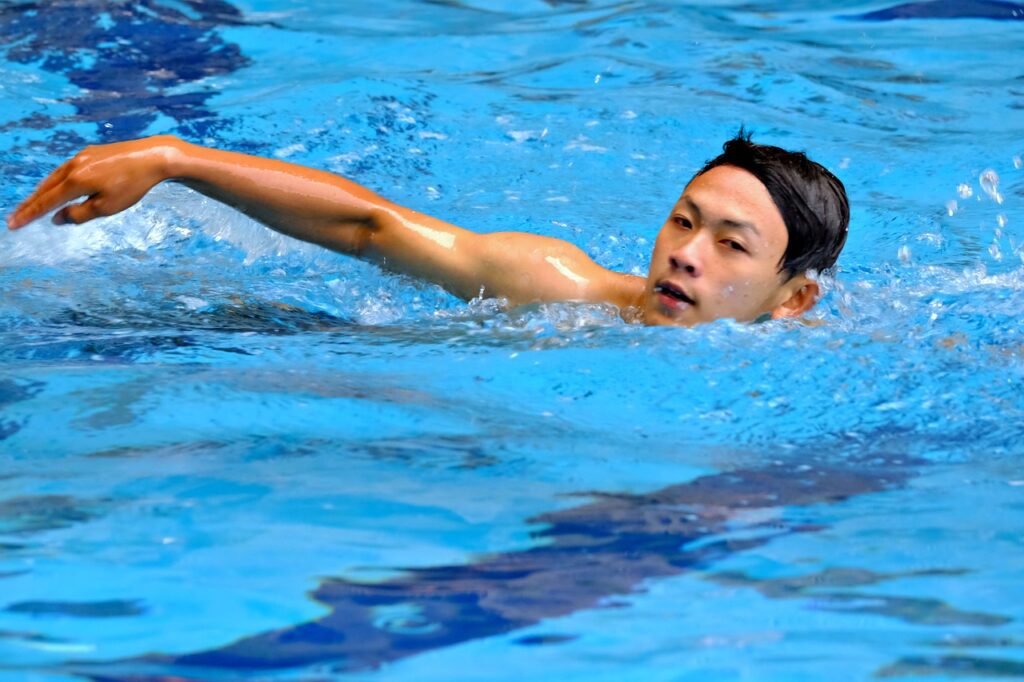
Are you looking for a workout that’s easy on your joints but tough on calories? Do you want to improve your fitness without risking injury? Look no further than swimming! Swimming is often hailed as one of the best full-body workouts available, and for good reason.
This low-impact exercise offers many health benefits, making it suitable for people of all ages and fitness levels. In this blog post, we’ll explore why swimming is the perfect low-impact workout for everyone and how it can transform your health and fitness journey.
The Science Behind Swimming as a Low-Impact Exercise
Swimming is a unique form of exercise because it allows the body to be buoyant in water. This buoyancy reduces the impact on joints and bones, making it an excellent option for those with arthritis, joint pain, or other physical limitations.
Unlike high-impact exercises such as running or aerobics, swimming minimizes stress on the body while still providing a full-body workout. This type of exercise is crucial for several reasons:
Reduced risk of injury: Low-impact exercises are gentler on your body, decreasing the likelihood of strains, sprains, and other workout-related injuries.
Suitable for all ages: From children to seniors, low-impact exercises are safe and effective for people at any stage of life.
Joint-friendly: If you have arthritis, joint pain, or are recovering from an injury, low-impact exercises allow you to stay active without exacerbating your condition.
Sustainable fitness: Low-impact workouts are easier to maintain long-term, as they don’t cause excessive wear and tear on your body.
Swimming: The Ultimate Low-Impact Workout
Now that we understand the importance of low-impact exercise, let’s explore why swimming stands out as the perfect choice for everyone.
1. Full-Body Workout
Swimming engages virtually every muscle group in your body, providing a comprehensive workout that’s hard to match with other forms of exercise. Here’s how swimming works different parts of your body:
Arms and shoulders: As you pull through the water, you’re working your biceps, triceps, and deltoids.
Core: Your abdominal muscles and lower back are constantly engaged to keep your body stable in the water.
Legs: Kicking activates your quadriceps, hamstrings, and calves.
Back: The backstroke and butterfly stroke are excellent for strengthening your back muscles.
Chest: The breaststroke and freestyle are particularly effective for working your pectoral muscles.
This full-body engagement helps build strength, endurance, and flexibility.
2. Cardiovascular Health Benefits
Swimming is an excellent cardiovascular exercise that can significantly improve your heart health. Here’s how:
Increased heart rate: Swimming elevates your heart rate, strengthening your heart muscle over time.
Improved circulation: The combination of rhythmic breathing and continuous movement enhances blood flow throughout your body.
Lower blood pressure: Regular swimming can help reduce high blood pressure, a major risk factor for heart disease.
Increased lung capacity: Swimming teaches you to control your breathing, which can improve your lung function and capacity.
3. Calorie Burning and Weight Loss
Swimming is an excellent choice if you’re looking to shed some pounds. The number of calories burned while swimming depends on factors like your weight, intensity, and stroke type, but on average:
A 155-pound person can burn about 223 calories in 30 minutes of moderate freestyle swimming.
The same person can burn up to 372 calories in 30 minutes of vigorous freestyle swimming.
Compared to other low-impact exercises like walking (149 calories per 30 minutes) or yoga (149 calories per 30 minutes), swimming offers superior calorie-burning potential.
4. Low-Impact on Joints
One of the most significant advantages of swimming is its low impact on your joints. When you’re in the water, your body weight is supported, reducing the stress on your joints, bones, and connective tissues. This makes swimming an ideal exercise for:
People with arthritis or joint pain
Individuals recovering from injuries
Older adults who want to stay active without risking falls or joint stress
Overweight individuals who find high-impact exercises uncomfortable
4. Improved Flexibility and Range of Motion
Swimming requires you to move your body through a wide range of motions, which can help improve your overall flexibility. The resistance of the water also provides a gentle stretch to your muscles and joints, enhancing your range of motion over time.
6. Stress Relief and Mental Health Benefits
Exercise, in general, is known to have positive effects on mental health, and swimming is no exception. Here’s how swimming can benefit your mental well-being:
Endorphin release: Swimming triggers the release of endorphins, the body’s natural feel-good hormones.
Stress reduction: The rhythmic nature of swimming can have a meditative effect, helping to reduce stress and anxiety.
Improved sleep: Regular swimming can help regulate your sleep patterns, leading to better quality sleep.
Boosted mood: The combination of exercise and being in water can positively impact your overall mood and outlook.
7. Suitable for All Fitness Levels
Whether you’re a beginner or an experienced athlete, swimming can be adapted to suit your fitness level. Here’s how:
Beginners can start with basic strokes and short distances, gradually increasing intensity and duration.
Intermediate swimmers can incorporate different strokes and interval training to challenge themselves.
Advanced swimmers can focus on perfecting technique, increasing speed, and participating in competitive events.
8. Year-Round Exercise Option
Unlike many outdoor activities, swimming can be enjoyed year-round, thanks to indoor pools. This consistency allows you to maintain your fitness routine regardless of weather conditions or seasonal changes.
9. Low Equipment Requirements
Swimming requires minimal equipment, making it an accessible form of exercise for most people. All you need to get started is:
A swimsuit
Goggles (optional, but recommended)
A swim cap (optional, but useful for keeping hair out of your face)
Access to a pool or body of water
10. Variety of Strokes and Workouts
Swimming offers a wide range of strokes and workout options to keep your routine interesting and challenging. Some popular swimming strokes include:
Freestyle (front crawl)
Breaststroke
Backstroke
Butterfly
You can also incorporate various swimming workouts to target specific goals:
Endurance swims: Long, steady-paced swims to build stamina
Interval training: Alternating between high-intensity and recovery periods
Drills: Focused exercises to improve technique and efficiency
Water aerobics: Combining swimming with other water-based exercises
Getting Started with Swimming
Here are some tips to help you begin your swimming journey:
Finding the Right Pool
Look for a local swimming pool that offers open swim times, lap swimming, or classes. Community centers, gyms, and recreational facilities often have pools available to the public. Some facilities even offer heated pools, which can be particularly inviting during colder months.
Essential Gear
To get started with swimming, you’ll need a few essential items:
Swimsuit: Choose a comfortable, well-fitting swimsuit that allows for freedom of movement.
Goggles: Protect your eyes from chlorine and improve visibility underwater with a good pair of swimming goggles.
Swim Cap: A swim cap can help keep your hair out of your face and reduce drag in the water.
Kickboard and Fins: These tools can help beginners practice kicking techniques and build strength.
Learning the Basics
If you’re new to swimming, consider taking lessons. Many pools offer beginner classes for both children and adults. Learning proper techniques for different strokes can help you swim more efficiently and reduce the risk of injury.
Creating a Routine
Start with short, manageable swim sessions and gradually increase the duration and intensity as your fitness improves. Aim for at least 30 minutes of swimming, three to four times a week. Mix up your routine by incorporating different strokes and drills to keep things interesting.
Swimming for Special Populations
One of the great things about swimming is its adaptability for various groups with specific needs.
Pregnant Women
Swimming is an excellent exercise option for pregnant women because it:
Provides a weightless environment, reducing strain on joints and back
It helps alleviate common pregnancy discomforts like swelling and back pain
Offers a safe way to maintain fitness throughout pregnancy
Always consult with your healthcare provider before starting any exercise routine during pregnancy.
Seniors
Swimming is particularly beneficial for older adults because it:
Improves balance and reduces the risk of falling
Maintains bone density without putting stress on joints
Enhances cardiovascular health without the risks associated with high-impact exercises
Children
Swimming is a crucial life skill and an excellent form of exercise for children.
Teaches water safety
Promotes physical development and coordination
Builds confidence and social skills
People with Disabilities
Swimming can be an inclusive and accessible form of exercise for people with various disabilities:
Provides a sense of freedom and independence in the water
Can be adapted to suit different abilities and needs
Offers physical and mental health benefits
Overcoming Common Concerns About Swimming
Despite its many benefits, some people may have reservations about swimming. Let’s address some common concerns:
“I can’t swim”: It’s never too late to learn! Many pools offer adult swimming lessons for beginners.
“I’m afraid of the water”: For those who are afraid of water, taking small, gradual steps can help overcome this fear. Start by spending time in the shallow end of the pool and gradually work your way to deeper water. Enrolling in a class with a supportive instructor can also make a big difference.
“Chlorine irritates my skin/eyes”: If you’re sensitive to chlorine, look for pools that use alternative sanitization methods, such as saltwater systems or ozone. Showering before and after swimming and using moisturizing lotions can also help reduce skin and eye irritation.
“I don’t like how I look in a swimsuit”: Remember that most people at the pool are focused on their workout, not judging others. If you’re still uncomfortable, consider wearing swim shorts or a more modest swimsuit style.
“Time Constraints”: Swimming doesn’t require a significant time commitment to be effective. Even short, focused swim sessions can provide substantial health benefits. If you’re short on time, consider swimming during your lunch break or combining it with other activities, like playing with your kids in the pool.
Swimming vs. Other Low-Impact Exercises
While swimming is an excellent low-impact workout, it’s not the only option available. Let’s compare swimming to other popular low-impact exercises:
Swimming vs. Cycling
Both swimming and cycling are excellent cardiovascular exercises that are easy on the joints. However:
Swimming provides a more comprehensive, full-body workout.
Cycling may be more convenient for some, as it can be done outdoors or on a stationary bike at home.
Swimming offers better cooling during hot weather.
Swimming vs. Yoga
While both swimming and yoga offer low-impact exercise options:
Swimming provides more intense cardiovascular benefits.
Walking is another popular low-impact exercise, but swimming has some advantages:
Swimming works more muscle groups simultaneously.
Swimming puts less stress on weight-bearing joints like knees and ankles.
Swimming burns more calories in the same amount of time.
Different Swimming Styles and Their Benefits
Freestyle (Front Crawl)
Freestyle is the fastest and most efficient swimming stroke. It primarily works the chest, shoulders, and back muscles while also engaging the core and legs. This stroke is excellent for improving cardiovascular fitness and building upper body strength.
Breaststroke
The breaststroke is slower and more relaxed, making it a good option for beginners. It focuses on the chest, arms, and thighs, promoting muscle endurance and coordination. This stroke is also beneficial for improving flexibility and joint mobility.
Backstroke
Backstroke targets the back, shoulders, and leg muscles. Swimming on the back can help improve posture and alleviate back pain. It’s a great stroke for enhancing overall body alignment and muscle balance.
Butterfly
The butterfly stroke is the most challenging and demanding. It requires significant upper-body strength and coordination. This stroke is highly effective for building muscle mass, particularly in the shoulders, chest, and core.
Aqua Aerobics and Water Walking
For those who prefer a more social and less intensive workout, aqua aerobics and water walking are excellent options. These activities provide a full-body workout while maintaining a low-impact environment. They are particularly beneficial for seniors and individuals with chronic pain conditions.
Incorporating Swimming into Your Fitness Routine
To get the most out of swimming, consider these tips for incorporating it into your overall fitness routine:
Frequency: Aim for at least 2-3 swimming sessions per week, each lasting 30 minutes or more.
Warm-Up and Cool Down: Always start your swim session with a warm-up to prepare your muscles and prevent injury. A few minutes of light swimming or dynamic stretching can do the trick. Similarly, finish with a cool-down to help your body recover. Gentle swimming or static stretching works well.
Cross-training: Swimming can complement other forms of exercise in your fitness routine. Consider combining swimming with activities like strength training, yoga, or cycling for a well-rounded fitness program. Cross-training can help prevent overuse injuries and keep your workouts engaging.
Set specific goals: Set specific, achievable goals to stay motivated. Whether it’s improving your swim time, learning a new stroke, or increasing the number of laps you can swim, having clear goals can keep you focused and driven.
Mix it up: Incorporate interval training into your swimming routine to boost cardiovascular fitness and burn more calories. Alternate between high-intensity sprints and periods of slower, more relaxed swimming. For example, swim at a fast pace for one minute, then slow down for two minutes, and repeat.
Nutrition for Swimmers
Proper nutrition is essential for any exercise routine, including swimming. Here are some tips to fuel your swims:
Pre-swim nutrition: Eat a light meal rich in complex carbohydrates and lean protein 1-2 hours before swimming.
Hydration: Drink water before, during, and after your swim, even if you don’t feel thirsty.
Post-swim recovery: Consume a combination of protein and carbohydrates within 30 minutes after your swim to aid in muscle recovery.
Balanced diet: Maintain a well-rounded diet with plenty of fruits, vegetables, lean proteins, and whole grains to support your swimming performance and overall health.
Swimming Safety Tips
While swimming is generally safe, it’s important to follow these safety guidelines:
Never swim alone: Always swim with a buddy or in areas supervised by a lifeguard.
Know your limits: Don’t push yourself too hard, especially when you’re just starting out.
Warm-up: Spend a few minutes stretching and doing light exercises before entering the pool.
Follow pool rules: Adhere to all posted safety guidelines and listen to lifeguards.
Stay hydrated: Drink water before, during, and after your swim, even if you don’t feel thirsty.
Use sunscreen: If swimming outdoors, apply waterproof sunscreen to protect your skin from UV rays.
Learn basic water safety skills: Knowing how to tread water and float on your back are essential safety skills.
Conclusion
Swimming truly is the perfect low-impact workout for everyone. Its ability to provide a full-body workout, improve cardiovascular health, support weight management, and enhance mental well-being makes it a standout exercise. Moreover, its accessibility and inclusivity make it an ideal choice for everyone, regardless of physical ability or experience level
By incorporating swimming into your fitness routine, you’re not just exercising – you’re investing in a healthier, stronger, and more balanced you. So why wait? Grab your swimsuit, head to the nearest pool, and dive into the wonderful world of swimming. Your body and mind will thank you for it!
Remember, as with any new exercise program, it’s always a good idea to consult with your healthcare provider before starting, especially if you have any pre-existing health conditions. Once you get the green light, get ready to experience the transformative power of swimming – the ultimate low-impact workout for everyone.