Skincare isn’t just for women anymore. Gone are the days when taking care of your skin was considered “unmanly” or something only your girlfriend or wife worried about. In today’s world, more and more men are realizing that taking care of their skin isn’t just about vanity – it’s about health, confidence, and putting your best face forward.
But why should you care about skincare? Isn’t splashing water on your face and calling it a day good enough? Well, not quite. Your skin is your body’s largest organ, and it deserves some TLC. Whether you’re dealing with acne, trying to look younger, or just want to put your best face forward, a solid skincare routine can make a world of difference.
In this blog, we’ll break down why skincare matters for men, debunk some common myths, and give you simple, practical tips to get started. So buckle up, gentlemen – it’s time to embrace the world of skincare and unlock the secret to looking your best.
The Basics: Why Your Skin Deserves Attention
Your Face is Your Business Card
First impressions matter, and like it or not, your face is often the first thing people notice about you. Whether you’re heading into a job interview, meeting a potential partner, or just going about your day, having healthy, well-cared-for skin can boost your confidence and help you put your best foot forward.
Think about it: when you look good, you feel good. And when you feel good, it shows in everything you do. Taking care of your skin isn’t just about vanity – it’s about presenting the best version of yourself to the world.
Your Skin is a Living Organ
Here’s a fact that might surprise you: your skin is your body’s largest organ. Just like your heart, lungs, or liver, it plays a crucial role in keeping you healthy. Your skin acts as a barrier, protecting you from harmful bacteria, environmental toxins, and UV radiation.
Your skin is constantly exposed to the elements. Sun, wind, pollution, and even the air conditioning in your office can all take a toll. By implementing a good skincare routine, you’re not just improving your appearance – you’re actively protecting your health.
Aging: It’s Not Just for Wine
Let’s talk about the elephant in the room: AGING. While we can’t stop the clock, we can certainly slow it down when it comes to our skin. As we get older, our skin naturally loses elasticity and collagen, leading to wrinkles, fine lines, and sagging.
But good news is that a consistent skincare routine can help combat these signs of aging. By keeping your skin hydrated, protected from the sun, and nourished with the right ingredients, you can maintain a youthful appearance well into your later years. And let’s be honest – who doesn’t want to look like George Clooney when they’re older?
Skincare is Self-Care
In our fast-paced world, it’s easy to forget about taking care of ourselves. But self-care isn’t just a buzzword – it’s essential for our mental and physical well-being. Taking a few minutes each day to care for your skin can be a form of mindfulness, a moment to pause and focus on yourself.
Plus, there’s something undeniably satisfying about pampering yourself a bit. Whether it’s applying a face mask while watching the game or enjoying the fresh, clean feeling after washing your face, skincare can be a simple pleasure that helps you unwind and recharge.
Debunking Skincare Myths for Men
Let’s tackle some common myths that might be holding you back from embracing a skincare routine.
Myth 1: Skincare is Feminine
This is perhaps the biggest misconception out there. Caring for your skin has nothing to do with gender – it’s about health and hygiene. Just like you brush your teeth or exercise to stay healthy, taking care of your skin is a basic part of looking after yourself.
Moreover, many skincare products are now specifically formulated for men’s skin, which tends to be thicker and oilier than women’s. So don’t let outdated gender stereotypes stop you from taking care of your skin.
Myth 2: I Don’t Need Sunscreen Unless I’m at the Beach
Wrong! The sun’s UV rays can damage your skin even on cloudy days or when you’re indoors near windows. Sun damage is one of the leading causes of premature aging and can increase your risk of skin cancer.
Wearing a daily sunscreen (yes, every day) is one of the best things you can do for your skin. Look for a lightweight, non-greasy formula that won’t leave you feeling like you’re covered in sunblock.
Myth 3: My Skin is Tough, I Don’t Need to Moisturize
While it’s true that men’s skin tends to be thicker and oilier than women’s, that doesn’t mean it doesn’t need hydration. In fact, many men suffer from dry, tight skin without even realizing it. Moisturizing helps keep your skin balanced, preventing both dryness and excess oil production.
Myth 4: Skincare Products Are Too Expensive
While there are certainly high-end skincare products out there, you don’t need to break the bank to take care of your skin. Many effective products are available at drugstore prices. The key is finding the right products for your skin type and concerns, not necessarily the most expensive ones.
Myth 5: I Only Need to Wash My Face Once a Day
Your face accumulates dirt, oil, and bacteria throughout the day and night. Washing your face twice a day – once in the morning and once before bed – helps keep your skin clean and clear. Just be sure to use a gentle cleanser that won’t strip your skin of its natural oils.
Building Your Skincare Routine: Keep It Simple
Now that we’ve busted some myths, let’s get down to the nitty-gritty: how to build a skincare routine that works for you. Don’t worry – we’re keeping it simple and effective.
Step 1: Know Your Skin Type
Before you start slathering on products, it’s important to understand your skin type. This will help you choose the right products and avoid potential irritation. Here’s a few tips:
Oily Skin: Shiny, especially in the T-zone (forehead, nose, and chin), prone to acne and enlarged pores.
Dry Skin: Feels tight, may have flaky patches, prone to fine lines and wrinkles.
Combination Skin: Oily in some areas (usually the T-zone) and dry in others.
Sensitive Skin: Easily irritated, may react to certain products with redness or stinging.
Normal Skin: Well-balanced, not too oily or dry.
Not sure what your skin type is? Try this simple test: wash your face with a gentle cleanser, pat it dry, and wait an hour. If your skin feels tight, you likely have dry skin. If it’s shiny all over, you probably have oily skin. If it’s only shiny in the T-zone, you likely have combination skin.
Step 2: Cleanse
The foundation of any skincare routine is cleansing. Use a gentle face wash twice a day to remove dirt, oil, and grime. Look for a cleanser that suits your skin type:
For oily or acne-prone skin: Try a foaming cleanser with salicylic acid or benzoyl peroxide.
For dry or sensitive skin: Opt for a creamy, non-foaming cleanser that won’t strip your skin.
For normal or combination skin: A gentle, all-purpose cleanser should do the trick.
Remember, you don’t need to scrub your face like you’re cleaning a dirty pot. Gentle circular motions with your fingertips will do the job without irritating your skin.
Step 3: Exfoliate (But Not Too Much)
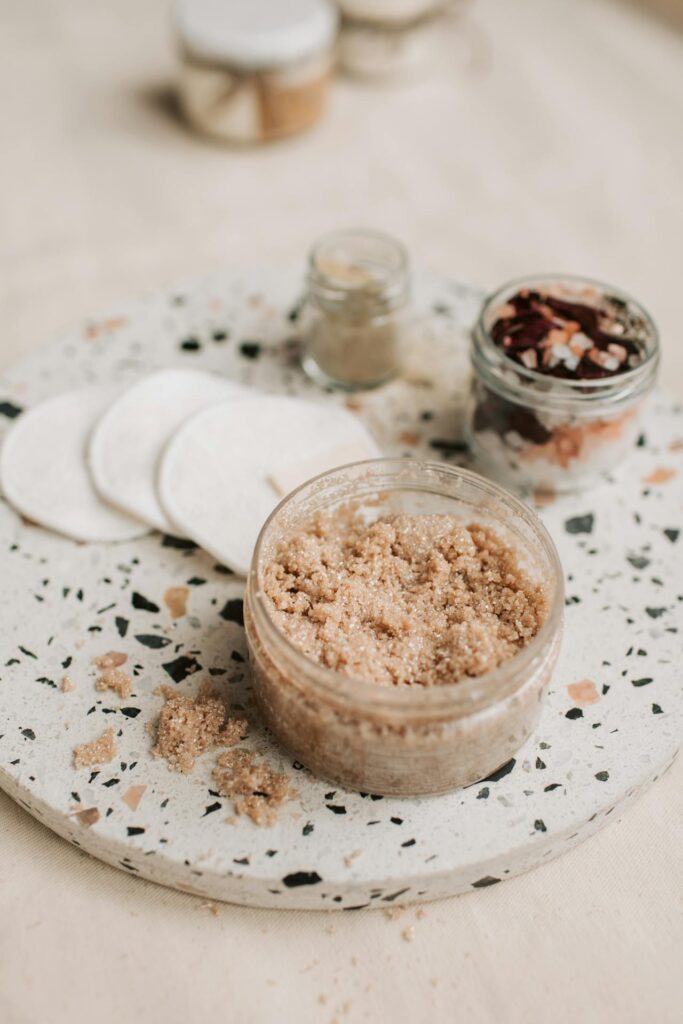
Exfoliation helps remove dead skin cells, unclog pores, and reveal fresher, smoother skin. However, it’s easy to overdo it. Start with exfoliating once or twice a week and see how your skin responds.
You can choose between physical exfoliants (scrubs with small particles) or chemical exfoliants (products with ingredients like alpha-hydroxy acids or beta-hydroxy acids). If you have sensitive skin, chemical exfoliants are often gentler.
Step 4: Moisturize
Yes, even if you have oily skin, you need to moisturize. Hydrated skin is healthy skin, and moisturizing can actually help balance oil production. Choose a moisturizer based on your skin type:
For oily skin: Look for lightweight, oil-free, or gel-based moisturizers.
For dry skin: Opt for richer, cream-based moisturizers.
For combination or normal skin: A medium-weight lotion usually works well.
Apply moisturizer to slightly damp skin to lock in hydration.
Step 5: Sun Protection
We can’t stress this enough: wear sunscreen every day, rain or shine. Look for a broad-spectrum sunscreen with at least SPF 30. If you’re not a fan of the typical sunscreen feel, many moisturizers now come with built-in SPF.
For those with oily skin, there are plenty of lightweight, matte-finish sunscreens that won’t leave you looking greasy.
Optional Steps: Targeted Treatments
Depending on your specific skin concerns, you might want to add some targeted treatments to your routine:
For acne: Try spot treatments with benzoyl peroxide or salicylic acid.
For aging concerns: Look for products with retinol, vitamin C, or peptides.
For dark circles or puffiness: Consider an eye cream.
Remember, it’s better to start with a simple routine and gradually add products as needed. Overwhelm your skin with too many new products at once, and you might end up with irritation or breakouts.
Beyond the Basics: Lifestyle Factors for Healthy Skin
While a good skincare routine is crucial, what you do outside the bathroom also impacts your skin health. Here are some lifestyle factors to consider:
Diet and Hydration
You’ve heard it before, but it bears repeating: you are what you eat. A diet rich in fruits, vegetables, lean proteins, and healthy fats can help your skin look its best. Foods high in antioxidants (like berries, leafy greens, and nuts) can help protect your skin from damage.
Don’t forget to stay hydrated! Drinking plenty of water helps keep your skin plump and healthy. Aim for at least 8 glasses a day, and consider cutting back on alcohol and caffeine, which can dehydrate your skin.
Sleep
They don’t call it “beauty sleep” for nothing. During sleep, your body goes into repair mode, regenerating skin cells and producing collagen. Aim for 7-9 hours of quality sleep each night. And here’s a pro tip: sleep on your back to avoid sleep lines and puffy eyes.
Exercise
Regular exercise increases blood flow, which helps nourish skin cells and keep them vital. It can also help reduce stress, which can contribute to skin issues like acne. Just remember to cleanse your face after sweating to prevent clogged pores.
Stress Management
Chronic stress can wreak havoc on your skin, contributing to acne, premature aging, and even exacerbating conditions like eczema. Find healthy ways to manage stress, whether it’s through exercise, meditation, or a hobby you enjoy.
Grooming Tips for the Bearded Gent
For our bearded brothers out there, your facial hair needs some TLC too. Here are some tips to keep your beard looking its best:
Wash Your Beard
Just like the hair on your head, your beard needs to be cleaned regularly. Use a gentle beard shampoo or cleanser to remove dirt, oil, and food particles (because let’s face it, eating with a beard can be messy).
Condition and Oil
Keep your beard soft and manageable with a beard conditioner or oil. This also helps moisturize the skin underneath, preventing dreaded beard dandruff.
Trim and Shape
Regular trimming keeps your beard looking neat and helps prevent split ends. Invest in a good beard trimmer and learn how to shape your beard to complement your face shape.
Don’t Forget the Skin Underneath
The skin under your beard needs attention too. When applying your facial moisturizer, make sure to work it into the skin beneath your beard.
Shaving Smart: Tips for a Smooth Experience
Whether you’re clean-shaven or just tidying up your beard, proper shaving technique can make a big difference in your skin health.
Prep Your Skin
Always shave after a shower or apply a warm, damp towel to your face for a few minutes before shaving. This softens the hair and opens up your pores, making for a smoother shave.
Use a Sharp Razor
A dull razor is more likely to cause nicks, cuts, and irritation. Change your blade regularly or invest in a quality electric razor.
Shave with the Grain
Shaving in the direction your hair grows helps prevent ingrown hairs and irritation. You can do a second pass against the grain for a closer shave if needed, but be gentle.
Apply Aftershave
Choose an alcohol-free aftershave to soothe and moisturize your skin post-shave. Look for ingredients like aloe vera or chamomile, which can help calm irritation.
Skincare for Different Ages: It’s Never Too Late (or Too Early) to Start
Your skincare needs change as you age. Here’s a quick guide to skincare through the decades:
In Your 20s: Prevention is Key
Focus on establishing a basic routine: cleanse, moisturize, and protect with sunscreen.
Start incorporating anti-aging products like antioxidant serums.
Don’t neglect your skin just because you’re young – prevention is easier than correction.
In Your 30s: Combat Early Signs of Aging
Step up your anti-aging game with products containing retinol and peptides.
Pay extra attention to the eye area, where fine lines often appear first.
Consider adding a night cream to your routine for extra hydration and repair.
In Your 40s and Beyond: Hydration and Repair
Focus on hydration to combat dryness and fine lines.
Look for products with ingredients like hyaluronic acid and ceramides.
Consider treatments like chemical peels or microdermabrasion for more dramatic results.
Remember, it’s never too late to start taking care of your skin. Even small changes can make a big difference over time.
Common Skincare Concerns for Men
Men deal with specific skin concerns that require tailored solutions. Here’s how to tackle the most common ones:
Acne
Contrary to popular belief, acne doesn’t always disappear after your teenage years. Adult acne is common and can be frustrating. Here’s how to deal:
Use a cleanser with salicylic acid or benzoyl peroxide.
Don’t over-wash your face – twice a day is enough.
Resist the urge to pop pimples, which can lead to scarring.
Consider using a spot treatment for stubborn blemishes.
Razor Burn and Ingrown Hairs
These common shaving woes can be minimized with proper technique:
Always use a sharp razor and shaving cream.
Exfoliate regularly to prevent ingrown hairs.
Apply a soothing aftershave balm.
Dark Circles and Puffiness
Late nights at work (or play) can show up on your face:
Get enough sleep and stay hydrated.
Use an eye cream with caffeine to reduce puffiness.
Cool cucumber slices or tea bags can provide quick relief.
Oily Skin
While some oil is good for your skin, excess oil can lead to shine and acne:
Use oil-free products and a lightweight moisturizer.
Try clay masks once a week to absorb excess oil.
Blotting papers can be a lifesaver for midday shine.
Navigating the Skincare Aisle: How to Choose Products
With countless products lining the shelves, choosing the right skincare items can feel overwhelming. Here’s how to navigate the skincare aisle like a pro:
Read the Labels
Don’t be swayed by fancy packaging or bold claims. Instead, take a look at the ingredient list:
Look for products that list active ingredients near the top of the ingredient list.
Avoid products with alcohol high on the list, as they can be drying.
If you have sensitive skin, look for fragrance-free options.
Know Your Ingredients
Familiarize yourself with some key skincare ingredients:
Hyaluronic Acid: Great for hydration
Retinol: Helps with anti-aging and acne
Vitamin C: Brightens skin and fights free radicals
Niacinamide: Helps with oil control and pore size
Salicylic Acid: Excellent for acne-prone skin
Don’t Fall for Marketing Hype
Just because a product is expensive or claims to be “for men” doesn’t mean it’s better. Many affordable, gender-neutral products work just as well (if not better) than their pricier, masculinely-marketed counterparts.
Sample Before You Commit
Many stores offer samples of skincare products. Take advantage of this to test products before buying full-sized versions. This can save you money and help you avoid products that don’t work for your skin.
Must-Have Skincare Products for Men
You don’t need to crowd your bathroom counter with dozens of products to look your best. Here are a few must-haves for a simple, yet effective skincare routine:
Face Wash
A good cleanser sets the foundation for your skincare routine. Pick a face wash that targets your specific skin concerns – whether it’s acne, oil control, or hydration.
Best Picks: Look for sulfate-free cleansers that don’t strip away natural oils, leaving your skin balanced and clean.
Exfoliator
Exfoliating a couple of times a week helps brighten your skin and prevent clogged pores.
Best Picks: Choose a scrub with small, smooth particles that won’t tear your skin.
Moisturizer
Moisturizer is a daily essential to keep your skin hydrated and looking youthful. Even if you have oily skin, there’s a product out there that won’t leave you shiny.
Best Picks: Lightweight, oil-free moisturizers with ingredients like hyaluronic acid for hydration without greasiness.
Sunscreen
Sunscreen should be the cornerstone of your routine. Daily SPF use prevents sun damage, hyperpigmentation, and premature aging.
Best Picks: Go for a broad-spectrum sunscreen with at least SPF 30. Lightweight formulas won’t leave a white cast or greasy feeling.
Serum
For men who want to take their skincare to the next level, adding a serum like vitamin C or retinol can provide extra benefits such as reducing dark spots, and fine lines, and boosting overall skin health.
Best Picks: Antioxidant-rich serums that protect your skin from environmental damage.
The Rise of Men’s Skincare: It’s Not Just a Trend
The men’s skincare industry has been booming in recent years, and for good reason. More and more men are realizing that taking care of their skin isn’t just about vanity – it’s about health, confidence, and self-care.
Breaking Stereotypes
Gone are the days when skincare was considered “unmanly.” Today’s modern man understands that taking care of himself, including his skin, is a sign of self-respect and maturity. Celebrities and athletes are openly discussing their skincare routines, helping to normalize the idea that real men take care of their skin.
The Impact of Social Media
Social media has played a significant role in the rise of men’s skincare. Platforms like Instagram and TikTok have made it easier for men to share grooming tips, product recommendations, and results. This openness has helped demystify skincare and make it more accessible to men of all ages.
Tailored Products for Men
As demand has grown, so has the range of products specifically formulated for men’s skin. From beard oils to mattifying moisturizers, there’s now a product for every skin type and concern. This variety makes it easier than ever for men to find products that work for them.
Conclusion
At the end of the day, skincare is a personal choice. Whether you choose to stick with a basic cleanse-and-moisturize routine or dive into a more comprehensive regimen, what matters most is that you’re taking steps to care for your skin.
Remember, healthy skin is attractive skin. By investing a little time and effort into your skincare routine, you’re not just improving your appearance – you’re taking care of your health, boosting your confidence, and practicing an important form of self-care.
So gentlemen, it’s time to ditch the stigma and embrace the glow. Your skin will thank you for it.
We’d love to hear about your skincare journey. What’s your skincare routine? Do you have any favorite products? Drop a comment below and share your tips! After all, we’re all in this together – here’s to healthier, happier skin for all!