Spending a day in the sun can be incredibly enjoyable, but sometimes, overexposure can lead to a painful sunburn. It is a painful reaction of the skin caused by overexposure to ultraviolet (UV) rays from the sun or artificial sources like tanning beds. When your skin absorbs too much UV radiation, it damages the DNA in your skin cells, leading to inflammation, redness, and, in severe cases, blistering or peeling.
While sunburn may seem like a temporary discomfort, its effects can have long-term consequences, including premature aging, skin discoloration, and an increased risk of skin cancer.
The severity of sunburn depends on:
Your skin type and melanin content
Duration and intensity of sun exposure
Time of day (UV rays are strongest between 10 AM and 4 PM)
Location (altitude and reflective surfaces increase UV exposure)
Acting quickly is essential to minimize damage, alleviate discomfort, and support the healing process. Quick treatment is also crucial because sunburn damage continues to develop for 24-48 hours after exposure. Prompt intervention can help:
Reduce inflammation and pain
Prevent further skin damage
Support the healing process
Minimize the risk of blistering and peeling
Lower the likelihood of long-term skin damage
With the right remedies and preventive measures, you can ensure your skin recovers effectively and stays healthy in the future. Lets discuss some expert tips on what to do when you get a sunburn in this blog.
Understanding Sunburn
1. What is Sunburn?
Sunburn is a radiation burn that occurs when unprotected skin is overexposed to ultraviolet (UV) radiation. Think of it as your skin’s SOS signal – when UV rays penetrate the skin, they damage cell DNA, triggering an inflammatory response as your body rushes to repair the injury. This causes the characteristic redness, pain, and warmth we associate with sunburn.
2. Symptoms and Severity Levels
Sunburn symptoms can vary depending on the duration of exposure and your skin type. They are often categorized into three severity levels:
Mild Sunburn
Redness and sensitivity in the affected area.
Slight warmth or discomfort.
May include mild peeling after a few days.
Moderate Sunburn
Intense redness and swelling.
Pain or tenderness to the touch.
Possible blistering of the skin.
Severe Sunburn
Deep redness or purplish hue.
Large, painful blisters.
Symptoms like fever, chills, nausea, or dehydration, which may indicate sun poisoning and require medical attention.
3. How Sunburn Affects Your Skin in the Short and Long Term
Short-Term Effects
Inflammation and pain
Skin peeling after 3-7 days
Temporary darkening or tanning
Increased sensitivity to heat
Dehydration of skin cells
Compromised skin barrier function
Long-Term Effects
Premature aging (photoaging)
Wrinkles and loss of elasticity
Permanent dark spots and uneven pigmentation
Weakened immune response in skin cells
Increased risk of skin cancer
Changes in skin texture and thickness
Development of solar keratoses (rough, scaly patches)
Even a single severe sunburn can significantly increase your risk of developing skin cancer later in life. Each subsequent burn compounds this risk, making prevention and protection crucial for long-term skin health.
Immediate Steps to Take After a Sunburn
1. Get Out of the Sun Immediately
The moment you notice signs of sunburn (redness, warmth, tingling), seek shelter indoors or in deep shade. Even a few extra minutes of sun exposure can significantly worsen the burn and increase damage to your skin cells. If you must be outdoors, cover the affected areas completely with clothing or umbrellas.
2. Cool the Skin
Take immediate action to reduce skin temperature:
Take a cool (not cold) shower or bath for 10-15 minutes
Apply cool, damp compresses to the burned areas for 15 minutes at a time
Never use ice directly on sunburned skin as this can cause further damage
Pat skin dry gently – don’t rub
3. Hydrate from Within
Sunburn draws moisture away from the skin and body, making hydration essential for recovery.
Drink plenty of water and clear fluids
Coconut water helps replace lost electrolytes
Consider sugar-free sports drinks for severe burns
Monitor your urine color – if it’s dark, drink more fluids
Avoid alcohol as it can increase dehydration
4. Wear Comfortable Clothing
Tight, rough, or synthetic fabrics can irritate sunburned skin. Instead:
Wear loose-fitting, soft fabrics like cotton
Avoid synthetic materials that can trap heat
Skip tight waistbands or straps that might rub against burned areas
Consider wearing older, softer clothing as new clothes may have rougher textures
If possible, wear clothing specifically designed for sun protection (UPF-rated)
Taking these immediate steps helps soothe your skin and sets the foundation for proper healing while preventing additional damage.
Top Remedies to Soothe Sunburn
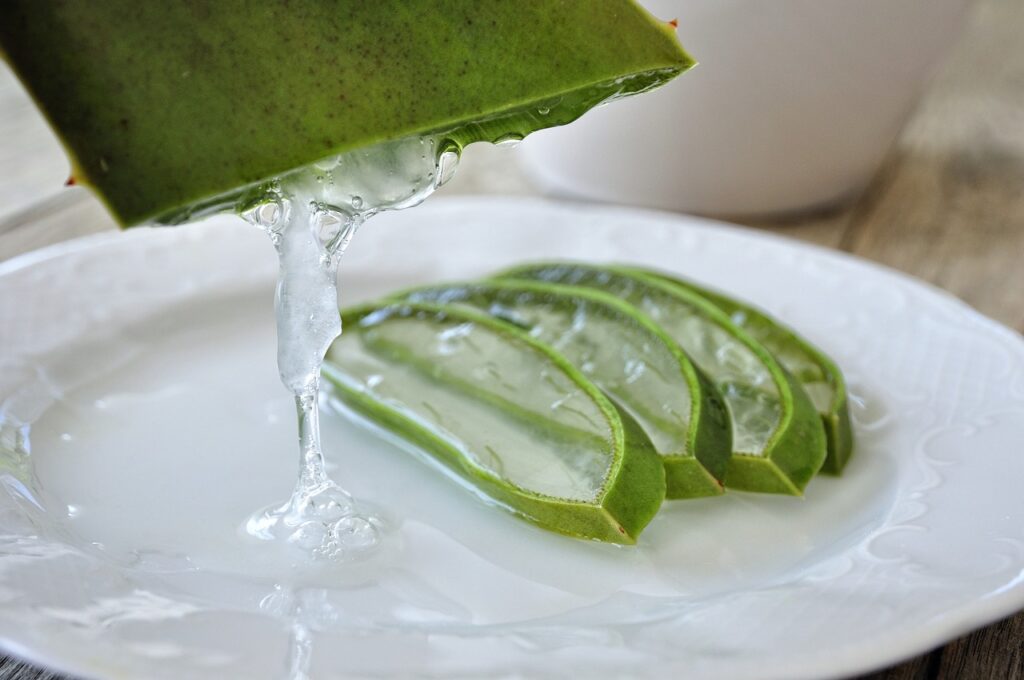
1. Apply Aloe Vera Gel or Natural Soothing Creams
Aloe vera is a go-to remedy for sunburn relief due to its cooling and anti-inflammatory properties.
Use fresh plant gel or pure commercial products
Apply gently to affected areas every 2-3 hours
Store gel in the refrigerator for extra cooling effect
Avoid products with artificial colors or fragrances
Natural soothing creams with ingredients like calendula, chamomile, or cucumber extracts can also provide relief.
2. Use Over-the-Counter Hydrocortisone Cream
Hydrocortisone cream helps reduce inflammation and itching associated with sunburn.
Use 1% hydrocortisone cream up to twice daily
Apply sparingly to most affected areas
Don’t use on open blisters or broken skin
Stop use if skin becomes irritated or sensitive
3. Try DIY Remedies
Home remedies can offer additional comfort and healing:
Cold black tea compresses (tannins help reduce inflammation)
Plain yogurt applied topically (proteins and probiotics aid healing)
Cucumber slices or mashed cucumber as a cooling compress
Oatmeal bath for whole-body relief (use colloidal oatmeal)
4. Stay Moisturized to Prevent Peeling
As sunburn heals, the skin often becomes dry and starts to peel.
Apply while skin is still damp from shower
Choose fragrance-free, hypoallergenic products
Reapply frequently throughout the day
Look for products with vitamins C and E
5. Avoid Popping Blisters for Better Healing
If your sunburn develops blisters, resist the urge to pop them.
Keep blisters clean and covered if needed
Let them drain naturally
Protect from friction with loose clothing
Watch for signs of infection
Seek medical help if blisters are extensive
6. Pain Management
Take NSAIDs like ibuprofen to reduce pain and inflammation
Consider oral antihistamines if itching is severe
Apply moisturizer while skin is still damp to lock in hydration
Reapply treatments frequently, especially after bathing
7. When to Seek Medical Help
If blisters cover a large area of your body
Signs of infection appear (pus, red streaks, increased pain)
You develop a high fever
Severe symptoms like nausea, chills, or confusion
The burn affects your face or eyes
You have underlying conditions that might complicate healing
These remedies can alleviate discomfort, promote faster recovery, and reduce the risk of long-term skin damage.
Foods That Help Heal Sunburn
1. Eat Antioxidant-Rich Foods
Antioxidants combat free radicals caused by UV damage, helping to reduce inflammation and repair the skin. Include these in your diet:
Berries (blueberries, strawberries, raspberries): Packed with vitamin C and antioxidants to boost collagen production and repair skin.
Leafy Greens (spinach, kale, arugula): High in vitamins A and E, which support skin renewal and hydration.
Tomatoes: Contain lycopene, a powerful antioxidant that helps protect and heal sun-damaged skin.
2. Include Omega-3 Fatty Acids
Omega-3s have anti-inflammatory properties that can help reduce swelling and redness from sunburn.
Fatty Fish (salmon, mackerel, sardines): Excellent sources of omega-3s that promote skin repair.
Flaxseeds and Chia Seeds: Plant-based options rich in omega-3s. Add them to smoothies, oatmeal, or salads.
Walnuts: A convenient snack packed with omega-3s and other nutrients for skin health.
3. Stay Hydrated with Water-Rich Foods
Hydration is key to healing sunburn, and water-rich foods can help replenish lost fluids.
Cucumber: Contains over 95% water and provides a cooling effect when consumed or applied topically.
Watermelon: High water content combined with vitamins A and C makes it a great choice for hydration and skin repair.
Citrus Fruits (oranges, grapefruits): Loaded with vitamin C to accelerate healing while keeping you hydrated.
Incorporating these nutrient-dense foods into your diet not only soothes your sunburn but also promotes overall skin health and recovery.
Mistakes to Avoid When Treating Sunburn
1. Avoid Hot Showers or Baths
Hot water can further irritate sunburned skin and worsen inflammation.
Stick to cool or lukewarm water to soothe your skin.
Avoid scrubbing the affected area, as it can cause more damage and discomfort.
2. Don’t Use Harsh Soaps or Exfoliants
Harsh soaps, fragrances, and exfoliants can strip away natural oils and aggravate sensitive, burned skin.
Opt for gentle, fragrance-free cleansers designed for sensitive skin.
Postpone exfoliation until your skin is fully healed to avoid peeling and irritation.
3. Skip Alcohol or Caffeine
Alcohol and caffeine can dehydrate your body, which is already stressed from the sunburn.
Focus on drinking water, herbal teas, or hydrating beverages like coconut water to stay hydrated and aid skin recovery.
4. Avoid Re-Exposure to the Sun Until Healed
Re-exposing sunburned skin to UV rays can compound damage and delay healing.
Stay in shaded or indoor areas while your skin recovers.
If you must go outside, wear protective clothing and apply a broad-spectrum sunscreen with SPF 30 or higher.
Being mindful of these common mistakes will ensure your sunburn heals faster and reduces the risk of complications like scarring or infection.
Preventing Future Sunburns
1. Importance of Sunscreen: SPF Recommendations
Sunscreen is your best defense against sunburn and long-term UV damage.
Choose a broad-spectrum sunscreen with SPF 30 or higher to protect against both UVA and UVB rays.
For sensitive or acne-prone skin, opt for mineral sunscreens containing zinc oxide or titanium dioxide.
Apply sunscreen generously 15–30 minutes before sun exposure and ensure full coverage, including often-missed spots like ears, neck, and the tops of feet.
2. Reapply Sunscreen During Prolonged Outdoor Activities
Even water-resistant sunscreen needs regular reapplication to remain effective.
Reapply sunscreen every two hours, or immediately after swimming, sweating, or towel drying.
Use sunscreen sprays or sticks for quick touch-ups on-the-go.
3. Use Protective Clothing, Hats, and Sunglasses
Physical barriers are an excellent way to shield your skin from harmful UV rays.
Wear long-sleeved shirts and pants made from tightly woven fabrics.
Choose wide-brimmed hats to protect your face, neck, and shoulders.
Invest in UV-blocking sunglasses to safeguard your eyes and prevent crow’s feet caused by squinting.
4. Timing Your Outdoor Activities to Avoid Peak UV Hours
The sun’s rays are strongest between 10 a.m. and 4 p.m.
Plan outdoor activities in the early morning or late afternoon.
Seek shade whenever possible, especially during midday hours.
Use umbrellas or portable sun shelters for extra protection when outdoors.
By adopting these preventive measures, you can significantly reduce the risk of sunburn and enjoy the outdoors while protecting your skin’s health.
Conclusion
Taking swift action to treat sunburn can make a significant difference in minimizing pain, preventing further damage, and speeding up recovery. Early care not only soothes your skin but also lays the groundwork for healthier healing.
While treating sunburn is essential, preventing it is even better. Making sun safety a daily habit protects your skin from harmful UV rays, reduces the risk of premature aging, and lowers the chances of developing skin cancer.
Commit to consistent sun protection by using sunscreen, wearing protective clothing, and timing your outdoor activities wisely. Start today—because healthy, radiant skin begins with the choices you make now.
Ready to put these tips into practice? Share your sun safety strategies in the comments below!
Disclaimer: The information mentioned in this blog is for general knowledge and informational purposes only and does not constitute medical advice. Please consult a qualified healthcare professional for diagnosis and treatment of any medical conditions.