5 Fun Cardio Exercises That Don’t Feel Like Exercise
Maintaining good cardiovascular health is crucial for overall well-being. It encompasses activities that increase your heart rate and engage large muscle groups over an extended period. The significance of cardio exercise extends far beyond just burning calories; it plays a vital role in promoting overall health and well-being.
Regular cardio exercise can help strengthen your heart, improve circulation, and reduce the risk of various health issues such as heart disease, stroke, and Type 2 diabetes. Regular cardio exercise offers a myriad of benefits for both physical and mental health. They also boost metabolism and help to enhance lung capacity and endurance, making daily activities feel less strenuous and exhausting.
Acknowledging the Common Dislike
Despite the undeniable benefits of cardio exercise, many people find traditional forms of cardio monotonous and unappealing. Running on a treadmill, cycling on a stationary bike, or spending hours on an elliptical machine can feel tedious and uninspiring. The repetitive nature of these activities often leads to boredom and a lack of motivation to stick with an exercise routine.
Some individuals may experience discomfort or joint pain when performing high-impact cardio exercises like running, which can deter them from engaging in these activities regularly. Additionally, factors such as time constraints or limited access to gym equipment may pose barriers to incorporating traditional cardio workouts into one’s lifestyle. This aversion to conventional cardio workouts can lead to a lack of motivation and consistency in maintaining an exercise routine, ultimately hindering one’s fitness goals and overall health.
Introducing Fun and Alternative Cardio Exercises
Fortunately, there are plenty of fun and alternative cardio exercises that feel more like play than work. These activities not only provide an excellent cardio workout but also inject a sense of joy and excitement into your fitness regimen. From dancing and jumping rope to playing sports and participating in outdoor adventures like hiking or kayaking, the options are endless.
Not only do these activities elevate your heart rate and improve cardiovascular health, but they also add an element of enjoyment and excitement to your fitness journey. Instead of dreading your next sweat session, you’ll find yourself eagerly anticipating the opportunity to engage in these enjoyable and playful exercises.
In this blog, we’ll explore five fun cardio exercises that are sure to get your heart rate up while putting a smile on your face. Prepare to rediscover the joy of movement and embrace a more lighthearted approach to your cardio routine.
Exercise 1: Dance It Out
“Dance It Out” is a fantastic cardio exercise that’s not just about burning calories but also about having a blast while doing it! Here’s why it’s such a fun and effective workout:
Why it’s fun:
Dancing is a liberating form of cardio exercise that allows you to let loose, express yourself, and move your body without any rules or restrictions. Unlike structured workout routines, dancing encourages you to embrace the rhythm, get lost in the music, and enjoy the pure joy of movement. It’s a chance to leave your inhibitions behind and fully immerse yourself in the present moment.
Benefits:
Dance workouts offer a multitude of benefits for both physical and mental health. From a physical standpoint, dancing is an excellent full-body cardio exercise that can improve cardiovascular fitness, increase muscle strength and endurance, and promote better flexibility and coordination. The constant movement and rhythmic nature of dance can help burn a significant number of calories, making it an effective tool for weight management.
Beyond the physical advantages, dancing also provides numerous mental health benefits. The act of moving to music can be a powerful stress-reliever, as it allows you to disengage from your worries and fully immerse yourself in the present moment. Dancing releases endorphins, the body’s natural feel-good chemicals, which can improve your mood and boost your overall sense of well-being. Moreover, dancing can be a form of self-expression, allowing you to channel your emotions and creativity through movement.
Tips:
- Create an at-home dance space by clearing a designated area and setting up a sound system or using a portable speaker.
- Curate a playlist of your favorite upbeat and energetic songs that inspire you to move.
- Consider joining a dance-based fitness class like Zumba, which combines cardio exercise with lively Latin and international music.
- Don’t worry about looking perfect – the key is to let go, have fun, and move in a way that feels good for your body.
- If you’re feeling self-conscious, start by dancing alone at home until you build confidence, and then gradually invite friends or family members to join your dance party.
Safety Precautions:
- Warm-Up: Always start with a gentle warm-up to prepare your body for movement and reduce the risk of injury.
- Stay Hydrated: Keep a water bottle nearby and stay hydrated throughout your dance session.
- Listen to Your Body: If you feel any discomfort or pain, take a break and rest. Don’t push yourself beyond your limits.
- Proper Footwear: Wear comfortable and supportive shoes to prevent injuries, especially if you’re dancing on hard surfaces.
The beauty of dance as a cardio exercise lies in its ability to make you forget that you’re even exercising. So, crank up the tunes, let loose, and dance like no one’s watching.
Exercise 2: Hula Hoop
Hula-hooping is indeed a fantastic cardio exercise that’s not only fun but also offers numerous health benefits. Here’s a breakdown of why it’s enjoyable, its benefits, and some tips to maximize your hula-hooping experience:
Why it’s fun:
Hula hooping is a nostalgic activity that instantly transports you back to the carefree days of childhood. It’s easy to learn, requiring just a simple hip rotation to get the hoop spinning around your waist. Yet, despite its simplicity, hula hooping is an absolute blast. As you master the basic movements, you can progress to more advanced tricks, like hand hooping or hoop dancing, adding an extra layer of challenge and excitement. Best of all, this playful cardio exercise can be done almost anywhere – your living room, backyard, or even at the park.
Benefits:
Don’t let the fun factor fool you; hula hooping is a fantastic full-body workout. It engages your core muscles as you continuously rotate your hips to keep the hoop in motion. This constant abdominal engagement not only strengthens your midsection but also improves balance and coordination. Additionally, the act of swinging the hoop around your body burns a significant number of calories, making it an effective cardio exercise for weight management.
Tips:
- Start with the right hoop: Beginners may find it easier to use a larger, heavier hoop (at least 38 inches in diameter) as it rotates more slowly, giving you more time to react and keep it going. As you become more proficient, you can transition to a lighter hoop for added challenge.
- Focus on technique: Stand with your feet shoulder-width apart and gently rock your hips back and forth in a circular motion. Keep your core engaged and experiment with the speed and intensity of your movements until you find a rhythm that works for you.
- Practice regularly: Like any skill, hula-hooping takes practice to master. Set aside time each day to practice, gradually increasing the duration as your skills improve. If the hoop falls, don’t get discouraged – simply bend down, scoop it up, and start spinning again.
- Incorporate variations: Once you’re comfortable with basic hooping, challenge yourself by trying different variations such as hooping in both directions, performing tricks like hand transfers, or incorporating dance moves into your routine. Practice spinning the hoop around your waist, moving your hips in a smooth, circular motion.
Hula hooping is a playful and low-impact cardio exercise that people of all ages and fitness levels can enjoy. So, grab a hoop, crank up some fun tunes, and reap the many physical and mental benefits it offers.
Exercise 3: Trampoline Jumping
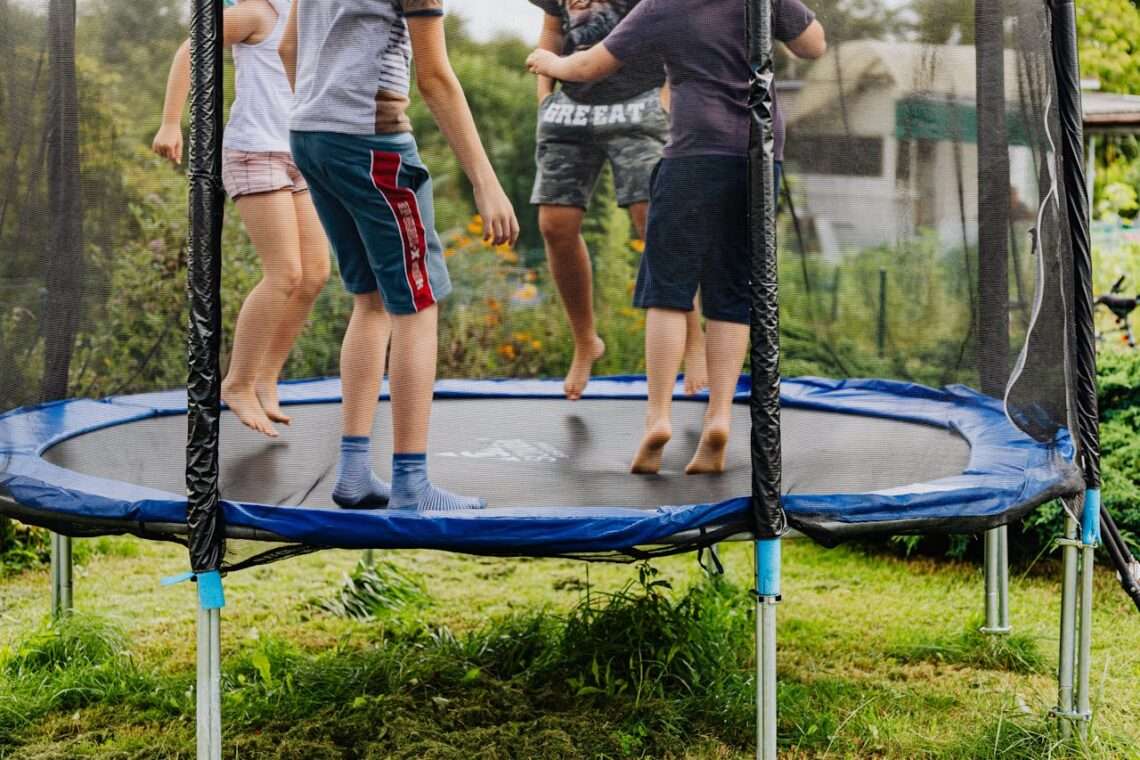
Trampolining offers a unique and enjoyable way to get your heart rate up while having fun. Jumping on a trampoline provides a thrilling sensation of weightlessness and allows you to perform various movements like jumps, flips, and twists, making it engaging and entertaining. This excitement can help motivate individuals to stay consistent with their cardio workouts, as it feels more like play than traditional exercise.
Benefits:
Trampolining is its low-impact nature compared to many other forms of cardio exercise. When bouncing on a trampoline, the springs absorb much of the shock, reducing the impact on your joints, particularly your knees and ankles. This makes it an excellent option for people with joint issues or those recovering from injuries who still want to engage in cardiovascular activities. Additionally, the rhythmic bouncing motion helps improve lymphatic circulation, which can enhance immune function and detoxification processes in the body. Regular trampoline workouts can also contribute to improved balance, coordination, and overall cardiovascular health.
Safety precautions and recommended trampoline types:
While trampolining can be a fun and effective form of exercise, safety precautions are important to minimize the risk of injury, it’s essential to follow some safety precautions:
- Use a trampoline with a safety net enclosure to prevent falls.
- Only one person should jump on the trampoline at a time to avoid collisions.
- Make sure the trampoline is set up on a level surface and away from any obstacles.
- Always supervise children when they’re using the trampoline.
- When jumping, it’s essential to maintain control and avoid risky maneuvers or overcrowding on the trampoline.
- Start with basic bounces and gradually work your way up to more advanced moves as you gain confidence and experience.
- When it comes to choosing a trampoline, look for one with sturdy construction and a weight limit that accommodates all users. Mini trampolines, also known as rebounders, are a great option for indoor use and for those with limited space.
- Opt for rectangular or round trampolines with enclosure nets are recommended for added safety, especially if children will be using them.
- Always follow the manufacturer’s guidelines for proper setup and usage, and consider installing the trampoline on a level surface with adequate clearance around it.
The key to making trampolining a fun cardio exercise is to embrace your inner child and let loose. Allow yourself to bounce, jump, and play without worrying about technique or calorie counts.
Exercise 4: Playing Sports
Playing sports is not only a fantastic way to get your cardio in, but it also offers a host of other benefits like social interaction, competition, and skill development.
Why it’s fun:
Playing sports is a naturally fun and social activity that taps into our competitive spirit and love for games. Unlike solitary exercise routines, team sports or even recreational sports with friends add an exciting and engaging dynamic that makes the time fly by. The thrill of friendly competition, camaraderie with teammates, and the satisfaction of improving your skills all contribute to the sheer enjoyment of playing sports.
Benefits:
Beyond the inherent fun factor, playing sports offers numerous benefits for both physical and mental health. Most sports involve a significant amount of running, jumping, and dynamic movements, making them excellent forms of cardio exercise that promote cardiovascular fitness, endurance, and overall physical conditioning. Additionally, playing sports can help develop hand-eye coordination, agility, and other valuable motor skills.
From a social standpoint, team sports provide opportunities to meet new people, build connections, and develop valuable interpersonal skills like communication, teamwork, and sportsmanship.
Listing various sports that provide excellent cardio workouts:
- Basketball: Running up and down the court, dribbling, and shooting hoops provide a great cardiovascular workout.
- Soccer (Football): Constant movement, sprinting, and kicking make soccer a superb cardio exercise.
- Tennis: The combination of short sprints, lateral movement, and hitting the ball makes tennis a fantastic cardiovascular activity.
- Ultimate Frisbee: Running, jumping, and throwing involve the entire body, making Ultimate Frisbee a fun and challenging cardio workout.
- Rugby: Rugby demands continuous running, tackling, and passing, making it an intense cardiovascular exercise.
- Field Hockey: This fast-paced sport involves running, dribbling, passing, and shooting, providing an excellent cardio workout.
- Volleyball: Jumping, diving, and quick movements around the court make volleyball a great cardiovascular activity.
- Handball: Fast-paced and physically demanding, handball involves running, throwing, and defending, providing an intense cardio workout.
- Lacrosse: Running, passing, catching, and shooting make lacrosse a high-intensity cardio exercise.
- Badminton: Quick movements, jumps, and swings make badminton a fun and effective cardiovascular workout.
Tips:
- Explore local recreational leagues or intramural teams at your gym or community center to find options suited to your skill level and interests.
- Don’t be afraid to try new sports – many leagues offer beginner-friendly divisions or instructional clinics to help you learn the basics.
- Invite friends or coworkers to join a team with you to make the experience even more enjoyable and social.
- Remember, the primary goal is to have fun and be active – focus on enjoying the game rather than perfectionism or intense competition.
Playing sports is a fantastic way to incorporate cardio exercise into your routine while fostering a sense of camaraderie, friendly competition, and pure enjoyment. Gather your friends, pick a sport that excites you, and get ready to have a blast while breaking a sweat!
Exercise 5: Hiking Adventures
Why it’s fun:
Hiking is an incredibly fun and refreshing way to get in a fantastic cardio workout while immersing yourself in the great outdoors. There’s something truly invigorating about lacing up your hiking boots, grabbing your gear, and venturing out onto a scenic trail. Unlike the monotony of indoor exercise routines, hiking offers constantly changing scenery, fresh air, and the thrill of exploration. With each step, you’ll find yourself energized by the beauty of nature surrounding you, making the physical effort feel effortless and enjoyable.
Benefits:
- Cardiovascular Health: Hiking is an excellent way to improve your heart health. The varying terrain and elevation changes challenge your cardiovascular system, helping to strengthen your heart and improve circulation.
- Stress Reduction: Spending time in nature has been shown to reduce stress levels and promote overall well-being. Hiking allows you to escape the hustle and bustle of daily life and immerse yourself in the tranquility of the outdoors.
- Muscle Strength and Endurance: Hiking engages multiple muscle groups, including your legs, core, and upper body. Over time, this can lead to improved muscle strength and endurance, making everyday activities easier.
- Mental Clarity: The peacefulness of nature combined with physical activity can clear your mind and improve mental clarity. Hiking provides an opportunity to disconnect from screens and distractions, allowing you to focus on the present moment.
- Vitamin D Intake: Spending time outdoors exposes you to natural sunlight, which is a primary source of vitamin D. Vitamin D is essential for bone health, immune function, and overall well-being.
Tips:
- Start with beginner-friendly trails: Look for well-marked paths with minimal elevation gain to build your stamina and confidence.
- Invest in proper hiking gear: Comfortable, broken-in hiking shoes or boots, breathable clothing, and a sturdy backpack can make your adventures more enjoyable.
- Pack essentials: Bring plenty of water, snacks, a basic first-aid kit, and any necessary navigation tools or maps.
- Gradually increase the difficulty: As you become more experienced, challenge yourself with longer distances, steeper inclines, or more rugged terrain.
- Explore scenic trails: Seek out hiking destinations with breathtaking views, such as mountain ridges, coastal paths, or picturesque forests, to enhance the enjoyment of your adventures.
- Consider joining a local hiking group: Connecting with like-minded individuals can make your hikes more social and provide opportunities to discover new trails.
Indian Scenic Trails to Try:
- Valley of Flowers, Uttarakhand: Known for its stunning alpine meadows and vibrant floral diversity, this UNESCO World Heritage Site offers breathtaking views of the Himalayas.
- Triund, Himachal Pradesh: A popular trekking destination near McLeod Ganj, Triund offers panoramic views of the Dhauladhar range and is suitable for beginner hikers.
- Hampta Pass, Himachal Pradesh: This moderate trek takes you through lush green valleys, snow-capped mountains, and picturesque villages in the Kullu Valley.
- Chadar Trek, Ladakh: For the more adventurous hikers, the Chadar Trek offers a unique experience of walking on a frozen river surrounded by towering cliffs and ice formations.
- Sandakphu-Phalut Trek, West Bengal: This trek takes you to the highest peak in West Bengal, offering stunning views of the world’s highest mountains, including Everest, Kanchenjunga, and Lhotse.
Conclusion
Shed the dread of traditional gym equipment like treadmills and elliptical trainers! Inject some excitement into your cardio routine with these engaging exercises like dancing, hula hooping, trampolining, playing sports, and hiking. Not only will they keep you entertained, but they’ll also improve cardiovascular health but also enhance overall well-being in various ways.
The key takeaway is that fitness doesn’t have to feel like a chore. It can be an enjoyable journey filled with exciting experiences and personal growth. Whether you’re trekking through scenic trails or grooving to your favorite tunes, finding activities that bring you joy is essential for maintaining a sustainable fitness routine.
Remember, fitness isn’t meant to be a chore—it should be a source of joy. Blast your favorite tunes, strap on those skates, or grab a hula hoop. Get moving and revel in the fun! Your heart and mood will thank you.
We all have our preferred ways of staying active while having a blast. Share your go-to fun cardio exercises in the comments below and motivate others to ditch the traditional gym grind and embrace enjoyable movement!

You May Also Like

Boost Your Weight Loss with a Quick and Effective 15-Minute Cardio Workout

HIIT vs. Steady State Cardio: Which is Better?
