Dating and healthy eating don’t always go hand in hand. Whether it’s a cozy dinner at a restaurant or a homemade meal, date nights often revolve around indulgent foods that can make it challenging to stay on track with weight-loss goals. From rich pastas to decadent desserts, the temptation to stray from a balanced diet is everywhere. But does that mean you have to choose between enjoying a romantic meal and sticking to your health-conscious habits? Absolutely not!
Mindful dating is all about striking a balance—finding ways to enjoy your time together without compromising your well-being. Weight loss is not about strict restrictions but about making smarter, more sustainable choices that allow you to enjoy delicious food while staying on course. By choosing nutrient-dense, flavorful meals, you can create memorable dining experiences that nourish both your body and your relationship.
The good news? You can enjoy a delicious meal while staying on track with a few simple strategies.This blog will guide you through weight-loss-friendly date night meal ideas—so you can savor every bite while staying on track with your goals. Whether you’re dining out or cooking at home, these tips will help you strike the perfect balance between health and indulgence. Let’s explore some tasty and nutritious options!
Lean Protein Dishes for Weight Loss
Why Lean Protein is Essential for Weight Loss:
Lean proteins play a crucial role in a balanced diet, especially when aiming for weight loss. Unlike high-fat protein sources, lean proteins provide essential amino acids while keeping calorie intake in check. Here are some key benefits:
Boosting metabolism: The thermic effect of food (TEF) is higher for protein than for fats and carbohydrates, meaning your body burns more calories digesting protein.
Keeping you full longer: Protein-rich meals promote satiety, reducing hunger and preventing overeating.
Preserving muscle mass: During weight loss, lean proteins help maintain muscle while burning fat, ensuring a toned and healthy physique.
Improving overall health: Lean proteins contribute to better heart health, stable blood sugar levels, and improved body composition.
Best Lean Protein Options for a Healthy Diet:
1. Grilled Chicken
Chicken breast is one of the most popular lean protein choices. It’s low in fat, high in protein, and incredibly versatile in cooking.
Calories: ~165 kcal per 100g
Protein: ~31g per 100g
Health Benefits: Rich in niacin and selenium, supports immune function and metabolism.
2. Fish (Salmon, Cod, Tuna, Tilapia)
Fish is an excellent source of protein and omega-3 fatty acids, which support heart and brain health.
Calories: Varies (e.g., salmon: ~208 kcal per 100g, cod: ~82 kcal per 100g)
Protein: 20-25g per 100g
Health Benefits: Omega-3s reduce inflammation, lower blood pressure, and enhance cognitive function.
3. Tofu
A great plant-based protein source, tofu is packed with essential amino acids and nutrients.
Calories: ~76 kcal per 100g
Protein: ~8g per 100g
Health Benefits: Supports heart health, contains isoflavones that aid in hormone balance, and is a good source of calcium.
4. Shrimp
Low in calories and high in protein, shrimp is a great seafood option.
Calories: ~99 kcal per 100g
Protein: ~24g per 100g
Health Benefits: Rich in antioxidants like astaxanthin, which supports skin health and reduces inflammation.
Lean Protein Meal Ideas:
Grilled Salmon with Roasted Vegetables: Season salmon with herbs and spices, grill or bake, and serve with a side of roasted broccoli, carrots, and sweet potatoes.
Chicken Stir-Fry: Sauté chicken breast with a variety of colorful vegetables like bell peppers, onions, and snap peas. Serve over brown rice or quinoa.
Lentil Soup: A hearty and satisfying soup packed with protein and fiber. Add vegetables like carrots, celery, and spinach for extra nutrients
Greek Yogurt Parfait: Layer Greek yogurt with fruit, nuts, and granola for a healthy and filling breakfast or snack.
Tofu Scramble: A delicious and versatile plant-based breakfast option. Scramble tofu with vegetables and spices for a satisfying meal.
These meals are not only delicious but also packed with nutrients that support weight loss and overall health.
Salads with Smart Additions
Salads are a fantastic way to enjoy a nutrient-rich meal while keeping things light and refreshing. However, the wrong ingredients—like high-calorie dressings and excessive toppings—can turn a healthy dish into a calorie bomb. Here’s how to build a satisfying and nutritious salad with smart additions.
Avoiding Calorie-Heavy Dressings and Toppings:
Many store-bought dressings and toppings can pack in unhealthy fats, excess sugar, and sodium. Here’s how to keep your salad light yet flavorful:
Dressing Alternatives: Instead of creamy dressings like ranch or Caesar, opt for olive oil and lemon juice, balsamic vinegar, or Greek yogurt-based dressings.
Cheese Choices: Use a sprinkle of feta or Parmesan instead of heavy cheese like cheddar.
Crunchy Additions: Replace croutons with nuts and seeds (e.g., almonds, pumpkin seeds, sunflower seeds) for extra nutrition.
Protein Balance: Lean proteins like grilled chicken, chickpeas, or tofu add satiety without excess calories.
Healthy Fats: Add avocado slices or a handful of nuts instead of fried toppings.
Best Ingredient Combinations for Taste and Satiety:
A well-balanced salad should include fiber, protein, and healthy fats to keep you full. Here are some great ingredient pairings:
Why it works: This salad is a powerhouse of nutrients and will keep you feeling full for hours.
Benefits: High in fiber, plant-based protein, and vitamins
Tips for Ordering Healthy Salads When Dining Out:
Ask for modifications: Don’t hesitate to ask the server to customize your salad. For example, you can ask for dressing on the side, extra vegetables, or to hold certain toppings.
Read the menu carefully: Look for salads with grilled protein, plenty of vegetables, and light dressings.
Consider sharing: If you’re dining with a partner, consider sharing a salad and an appetizer or entree.
By choosing the right ingredients and dressings, you can create delicious and satisfying salads without unnecessary calories!
Soups and Light Starters: A Healthy Beginning
Why Broth-Based Soups Help with Portion Control:
High Water Content: Soups are primarily made of broth, which is mostly water. This contributes to their high volume and low calorie density. Eating a bowl of soup can make you feel full faster, reducing your overall calorie intake during the meal.
Fiber Rich: Many broth-based soups, especially vegetable and lentil soups, are packed with fiber from vegetables and legumes. Fiber promotes satiety and helps you feel full for longer, preventing overeating.
Nutrient Dense: Soups can be a good source of vitamins, minerals, and antioxidants, especially if they are made with a variety of vegetables and lean protein sources.
Healthy Soup Choices
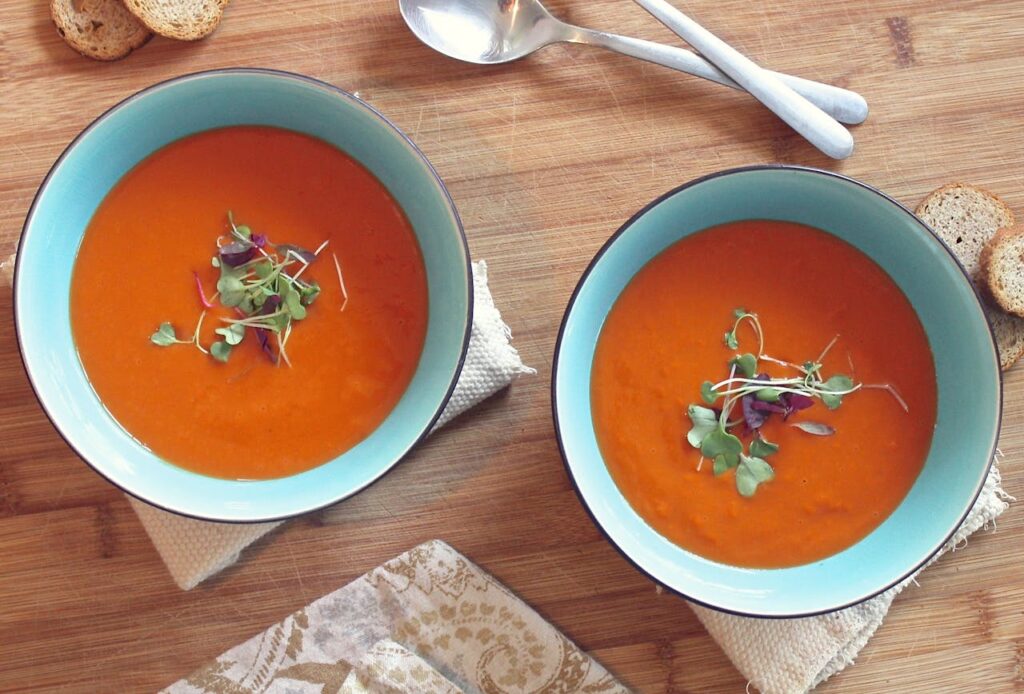
Tomato Basil Soup
Made with fresh tomatoes, basil, and vegetable broth, this soup is rich in antioxidants like lycopene, which supports heart health and reduces inflammation.
It is naturally low in calories while providing a satisfying umami flavor.
Adding a drizzle of olive oil or a sprinkle of parmesan enhances taste without compromising its health benefits.
Vegetable Broth Soup
A nutrient-packed option made with a mix of carrots, celery, onions, and leafy greens.
It provides essential vitamins and minerals while being incredibly hydrating.
The fiber from vegetables aids digestion and promotes gut health.
Lentil Soup
A protein-rich and fiber-packed soup that keeps you full for longer.
Lentils are a great source of plant-based protein, making this soup ideal for vegetarians and vegans.
It helps stabilize blood sugar levels and provides a good dose of iron and folate.
Tips for Ordering Soup on a Date Night:
Choose broth-based soups over cream-based soups. Cream-based soups are often higher in calories and fat.
Ask for the soup to be served in a smaller bowl or cup. This can help you control your portion size.
Pair your soup with a salad or other healthy side dish. This will help you feel full and satisfied without overeating.
Enjoy your soup slowly and savor each spoonful. This will help you appreciate the flavors and feel more satisfied with your meal.
Starting your meal with one of these healthy broth-based soups can help control portions, curb cravings, and provide essential nutrients, setting the stage for a balanced and satisfying meal.
Sushi and Sashimi
Sushi and sashimi are not just delicious; they can also be part of a balanced and healthy diet when chosen wisely. Whether you’re looking to manage portion sizes or boost your protein intake, sushi offers several nutritional benefits.
Benefits of Sushi for Portion Control and Protein Intake:
Portion Control: Sushi is typically served in small, bite-sized pieces, making it easier to regulate portion sizes compared to larger meals. This helps prevent overeating.
Protein-Rich:Many sushi options, especially those featuring fish like salmon, tuna, or yellowtail, are excellent sources of lean protein. Protein helps keep you feeling full and satisfied, which can be beneficial for weight management.
Healthy Fats: Fatty fish like salmon and tuna are rich in omega-3 fatty acids, which are essential for heart health and brain function.
Choosing Healthy Sushi Rolls:
While sushi can be a healthy choice, some variations are high in calories and unhealthy fats. Here’s how to make smarter choices: Opt for:
Sashimi: Pure protein without rice, making it an excellent low-carb option.
Nigiri: A simple pairing of fish and a small portion of rice, keeping it light.
Vegetable Rolls: Cucumber or avocado rolls are packed with fiber and nutrients.
Avoid:
Tempura Rolls: These are deep-fried and high in unhealthy fats.
Creamy or Mayo-Based Rolls: Ingredients like spicy mayo and cream cheese add unnecessary calories.
Soy Sauce Overload: High in sodium, so opt for low-sodium soy sauce or use it sparingly.
Best Healthy Sushi Picks
Sashimi Platter: A beautiful and elegant way to share a variety of fresh fish.
Nigiri Assortment: A classic choice that allows you to sample different types of fish.
Cucumber Salad: A refreshing and light side dish to complement your sushi.
Additional Tips:
Mindful Eating: Savor each bite and pay attention to your body’s fullness cues.
Limit Soy Sauce: Use soy sauce sparingly, as it can be high in sodium.
Hydrate: Drink plenty of water throughout your meal.
By making mindful choices and focusing on fresh, high-quality ingredients, you can enjoy a delicious and healthy sushi experience on your next date night.
Grilled and Roasted Vegetables
Grilled and roasted vegetables are a delicious and healthy way to enjoy fiber-rich foods that support digestion and contribute to a feeling of fullness. Fiber plays a crucial role in maintaining a healthy digestive system by promoting regular bowel movements, preventing constipation, and helping to manage weight by keeping you satisfied for longer periods. Vegetables, in particular, are an excellent source of both soluble and insoluble fiber, which provide these benefits.
Fiber Benefits for Digestion and Fullness:
Improved Digestion: Fiber helps move food through your digestive tract more effectively, reducing the risk of constipation and promoting a healthy gut.
Enhanced Satiety: Foods high in fiber take longer to chew and digest, which can help you feel fuller for longer, reducing the likelihood of overeating.
Gut Health: Fiber serves as a food source for beneficial gut bacteria, promoting a healthy microbiome that supports overall digestive health.
Choosing the Right Vegetables:
Certain vegetables are particularly well-suited for grilling and roasting because they retain their structure when cooked and offer a balance of flavors. Here are a few examples:
Brussels Sprouts: These tiny, cabbage-like vegetables are packed with fiber, vitamin C, and antioxidants. When roasted or grilled, they develop a crispy exterior while maintaining a tender interior, making them a flavorful and satisfying choice. They are also rich in insoluble fiber, which helps keep your digestive system moving smoothly.
Zucchini: Zucchini is low in calories and high in both soluble and insoluble fiber. It’s an excellent choice for grilling or roasting due to its mild flavor and tender texture. The fiber in zucchini helps promote digestion and fullness, while its water content adds to its ability to keep you hydrated.
Asparagus: Asparagus is a great source of fiber and other nutrients, such as folate and vitamin K. When roasted or grilled, it has a satisfying crunch and smoky flavor. Asparagus contains a combination of soluble fiber, which aids in digestion, and inulin, a prebiotic fiber that supports healthy gut bacteria and may improve gut health.
Sample menu idea for a date night:
Appetizer: Grilled or roasted vegetable platter with hummus or baba ghanoush
Main course: Grilled salmon with a side of roasted asparagus and zucchini
Dessert: Fruit salad with a drizzle of honey
By incorporating grilled and roasted vegetables into your date night, you can enjoy a delicious and healthy meal while reaping the benefits of fiber for your digestion and overall well-being.
Whole Grains Over Refined Carbs
When it comes to choosing the right carbohydrates for your diet, whole grains are the better option, especially if weight loss is a goal. Unlike refined carbohydrates, whole grains retain their fiber, vitamins, and minerals, which make them far more nutritious and filling. Here’s why whole grains are better for weight loss:
Higher Fiber Content: Whole grains like brown rice, quinoa, and whole wheat pasta are packed with fiber. Fiber promotes a feeling of fullness, reduces overall calorie intake, and stabilizes blood sugar levels. This helps in curbing cravings and reducing hunger, which are key for weight management.
Lower Glycemic Index: Whole grains have a lower glycemic index (GI) compared to refined carbs, meaning they cause a slower rise in blood sugar levels. This helps to prevent insulin spikes, which can promote fat storage and lead to weight gain.
Rich in Nutrients: Whole grains are rich in essential nutrients such as B vitamins, iron, magnesium, and antioxidants. These nutrients play a crucial role in maintaining energy levels, boosting metabolism, and supporting overall health, which are vital when you’re working toward a weight loss goal.
Ideal Choices:
Brown Rice: This whole grain is a great source of fiber and essential minerals like magnesium, which is important for muscle function and energy production. Brown rice also has a nutty flavor, making it a satisfying option for meals.
Quinoa: Quinoa is a complete protein, meaning it contains all nine essential amino acids. It’s also gluten-free, making it a good option for those with gluten sensitivities. Quinoa is rich in fiber, protein, and several micronutrients like iron, magnesium, and zinc, making it an excellent choice for weight loss.
Whole Wheat Pasta: Unlike regular pasta made from refined flour, whole wheat pasta contains more fiber, vitamins, and minerals. The added fiber helps in digestion and keeps you feeling full longer, which can help control portion sizes and reduce overeating.
Healthy Meal Combos for a Balanced Plate:
To maximize the benefits of whole grains for weight loss, it’s important to pair them with other nutritious foods. Here are some meal ideas:
Brown Rice with Grilled Chicken and Vegetables: A plate of brown rice paired with lean protein like grilled chicken and non-starchy vegetables such as broccoli, spinach, or bell peppers provides a balanced mix of fiber, protein, and healthy fats to fuel your body and support weight loss.
Quinoa Salad with Chickpeas and Avocado: Combine quinoa with fiber-rich chickpeas and heart-healthy fats from avocado. Add some fresh vegetables like cucumber, tomatoes, and a light lemon dressing to create a nutrient-packed, filling salad.
Whole Wheat Pasta with Tomato Sauce and Lean Ground Turkey: Whole wheat pasta paired with a homemade tomato sauce and lean ground turkey provides a good mix of fiber, protein, and healthy fats. The vegetables in the sauce, such as onions, garlic, and spinach, add extra nutrition.
Tip for date night: Choose a restaurant with a focus on fresh, seasonal ingredients and a variety of whole grain options, don’t be afraid to ask for modifications to your dishes. This way, you can enjoy a delicious and healthy meal together without compromising on flavor or romance.
Smart Dessert Choices
When looking for smarter dessert choices that still satisfy your sweet cravings, the key is to avoid sugar-laden options that can lead to a spike in blood sugar and contribute to weight gain or other health issues. Fortunately, there are several healthier alternatives that can provide a delightful treat without the guilt:
Fruit Salad: Fruits are naturally sweet and packed with essential vitamins, minerals, and fiber. A simple fruit salad made with a variety of colorful fruits like berries, melons, oranges, and apples can be a refreshing and nutritious option. You can also enhance the flavor with a sprinkle of lemon juice or a few fresh mint leaves. This option is low in calories, high in antioxidants, and provides natural sweetness without added sugars.
Greek Yogurt: Greek yogurt is an excellent alternative to traditional sugary desserts. It’s high in protein and calcium, which are beneficial for muscle health and bone density. To make it even more appealing, top Greek yogurt with fresh fruit, a drizzle of honey (optional), and a sprinkle of nuts or granola. This gives you a creamy texture and a satisfying sweetness, while also keeping the sugar content in check.
Dark Chocolate Strawberries: Dark chocolate, especially varieties with a high percentage of cocoa (70% or higher), is lower in sugar and contains antioxidants that can promote heart health. Dipping fresh strawberries in dark chocolate creates a delicious combination of sweetness and tartness, and it’s a much healthier alternative to chocolate bars or candies. The fruit adds fiber and vitamins, while the dark chocolate satisfies the craving for a rich dessert.
When dining out, it’s always a good idea to check with the restaurant about any dietary restrictions or preferences you may have. Many restaurants are happy to accommodate special requests and offer healthier dessert options.
Beverages That Won’t Derail Your Goals
When you’re trying to stay on track with your health and fitness goals, it’s important to be mindful of the beverages you choose. Many sugary drinks, such as sodas, sweetened coffees, and energy drinks, are loaded with hidden calories and can quickly sabotage your progress. These drinks contribute empty calories, causing blood sugar spikes, leading to weight gain, and promoting unhealthy habits like sugar cravings. Here’s how to make healthier beverage choices:
Herbal Tea: Herbal teas, like chamomile, peppermint, or green tea, are excellent low-calorie options. They not only hydrate but also provide various health benefits such as improved digestion, relaxation, or antioxidant properties. They’re naturally free of added sugars, making them a great alternative to sugary sodas or sweetened beverages.
Water with Lemon: Water is essential for hydration and has zero calories. Adding a slice of lemon or a few drops of lemon juice can elevate the flavor, giving it a refreshing twist without adding any sugar or calories. Lemon water also helps in detoxifying the body, boosting metabolism, and supporting digestion.
Red Wine Over Cocktails: If you enjoy alcoholic beverages, opt for a glass of red wine instead of sugary cocktails or mixed drinks. Red wine contains antioxidants that may offer health benefits in moderation, such as improved heart health. On the other hand, cocktails often contain sugary mixers that pack a lot of empty calories.
If you are eating out on a date night, you may want to consider ordering a cocktail that is made with sparkling water or soda water instead of juice or sugary mixers. You can also ask for your cocktail to be made with less sugar.
Final Tips for a Healthy Date Meal
When planning a healthy date meal, here are some final tips to ensure you both enjoy a nutritious yet satisfying experience:
Portion Control Strategies:
Split dishes: Many restaurants serve large portions, so consider sharing a starter or main dish with your date. This not only helps control calories but also fosters a more relaxed and collaborative dining experience.
Order smaller portions: If possible, opt for smaller serving sizes or appetizer portions, which can be a great way to taste a variety of dishes without overeating.
Take leftovers home: If you do receive a large portion, don’t hesitate to ask for a takeaway box. This way, you can enjoy the meal later and avoid overeating during the date.
Mindful Eating to Enhance Enjoyment and Satiety:
Eat slowly and savor each bite: Eating mindfully involves focusing on the flavors, textures, and aromas of your food. This can make the experience more enjoyable and help you feel more satisfied with less food.
Listen to your body: Pay attention to your hunger cues and stop eating when you feel comfortably full, not stuffed. Mindful eating helps you gauge when you’ve had enough and prevents overeating.
Put utensils down between bites: This simple act of pausing between bites allows your brain to register fullness and enhances the overall experience of eating.
How to Ask for Healthy Modifications at Restaurants:
Choose healthier options on the menu: Look for dishes that feature lean proteins (like chicken, fish, or tofu), whole grains, and plenty of vegetables. You can also ask the server about lighter options or modifications.
Request cooking methods like grilling, steaming, or baking: Avoid fried foods and ask for your meal to be prepared with healthier methods, such as grilled or baked rather than deep-fried or sautéed in butter.
Swap ingredients or sides: If a dish comes with a heavy carb (like fries or white rice), ask if you can substitute it with a side of steamed vegetables, a side salad, or a whole grain like quinoa or brown rice.
Dressings and sauces on the side: Many salads and dishes come drenched in creamy dressings or heavy sauces. Request these on the side so you can control the amount used, or ask for a lighter dressing like olive oil and vinegar.
These tips will help you create a more mindful and enjoyable date meal that aligns with healthy eating habits while still allowing both of you to enjoy the experience.
Conclusion
Healthy and enjoyable dating experiences are entirely possible, and they don’t have to conflict with your weight loss goals. You can savor delicious, satisfying meals that nourish both your body and your soul while still making progress towards your wellness journey. The key is balance—choosing lighter options without sacrificing flavor, and remembering that life (and love) is about enjoying the moment.
Achieving weight loss doesn’t mean giving up the things you love, like sharing a meal with someone special. With thoughtful choices, you can indulge in flavors and make lasting memories without guilt. Every step you take on your journey is a victory, so celebrate the wins, no matter how small.
You’ve got this! Keep making choices that fuel your body and bring happiness to your life. If you’re looking for more healthy eating tips or weight-loss-friendly date night ideas, stay connected—because your journey to a healthier you should be as enjoyable as it is rewarding.
Ready to plan your next guilt-free date night? Let’s make it happen! Share your favorite healthy date night recipes in the comments below! We’d love to hear from you.