Global Fitness Adventures: 10 Unique Workouts from Around the World
In a world where fitness trends come and go faster than you can say “burpee,” there’s something profoundly valuable about turning to time-tested exercise traditions that have shaped cultures for centuries—even millennia. While modern gyms and Instagram workout routines certainly have their place, exploring diverse fitness practices from around the globe offers not just physical benefits but windows into different philosophies about health, movement, and the human body.
From the graceful movements of Japanese radio calisthenics to the high-energy combat dance of Brazilian capoeira, global fitness practices offer fresh perspectives on how to move, strengthen, and nourish our bodies.
In this comprehensive blog, we’ll journey across continents to discover ten distinctive fitness regimens that might just revolutionize your approach to physical wellness. Each tradition brings its unique philosophy, movements, and benefits – proving that fitness is truly a universal language spoken in wonderfully different dialects.
1. Japan – The Art of Simplicity: Radio Calisthenics (Rajio Taiso)
When it comes to consistent, accessible fitness, few approaches can match Japan’s beloved radio calisthenics. Dating back to the 1920s, Rajio Taiso (literally “radio exercises”) remains a cultural institution in Japan, practiced daily by millions of people from schoolchildren to office workers and seniors.
The beauty of Rajio Taiso lies in its simplicity and accessibility. The routine consists of around 13 gentle stretching and strengthening movements, typically performed to music in just under three minutes. These exercises flow together in a sequence designed to wake up the body, improve circulation, and increase flexibility.
Why You Should Try Rajio Taiso:
- Perfect Morning Starter: These brief, energizing movements help transition your body from sleep to wakefulness.
- Suitable for All Ages: The low-impact nature makes it appropriate for everyone from children to seniors.
- Requires No Equipment: Just your body and enough space to extend your arms.
- Community Builder: In Japan, Rajio Taiso often becomes a communal activity, bringing neighborhoods together.
- Consistency Champion: The brevity makes it easy to maintain as a daily habit.
Incorporating Rajio Taiso into your morning routine can establish a positive tone for your day and create a foundation for more consistent physical activity. Many practitioners report improved posture, better joint mobility, and a greater sense of daily well-being.
2. Brazil – Dance Meets Combat: Capoeira
Imagine a workout that blends martial arts, dance, acrobatics, and music into one exhilarating experience – that’s capoeira. Born from the resistance movements of enslaved Africans in Brazil, capoeira disguised lethal fighting techniques as dance to evade detection by slave owners.
Today, capoeira has evolved into a dynamic art form practiced worldwide. Participants form a circle called a “roda,” where two players engage in a dialogue of movement, responding to each other’s kicks, sweeps, and cartwheels while maintaining constant motion.
Why You Should Try Capoeira:
- Full-Body Conditioning: Develops strength, flexibility, coordination, and cardiovascular endurance simultaneously.
- Rhythmic Expression: Moving to traditional Brazilian music creates a joyful, engaging workout environment.
- Cultural Connection: Learn about Afro-Brazilian history and traditions while working out.
- Community Focus: The roda creates an inclusive, supportive training environment.
- Mental Agility: The improvisational nature trains reflexes and strategic thinking.
Capoeira practitioners (capoeiristas) develop remarkable core strength, leg power, and balance. Beyond physical benefits, many find that capoeira builds confidence and provides a sense of belonging to a global community with deep historical roots.
3. Sweden – Run Like a Swede: Fartlek Training
Don’t let the somewhat amusing name fool you—Fartlek (which translates to “speed play” in Swedish) is a serious training method that revolutionized distance running. Developed in the 1930s by Swedish coach Gösta Holmér, Fartlek training breaks away from rigid, structured interval workouts in favor of intuitive, playful variation.
Unlike traditional interval training with precise distances and recovery periods, Fartlek encourages runners to vary their pace based on terrain, feeling, and environmental features. You might sprint to a landmark, jog to recover, then maintain a moderate pace until you reach the next inspiration point.
Why You Should Try Fartlek Training:
- Freedom from the Clock: Liberates runners from strict timing and distances.
- Mental Refreshment: Reduces burnout by introducing spontaneity and play.
- Terrain Adaptation: Excels in natural environments like forests, parks, and varied landscapes.
- Race Simulation: Better prepares runners for the variable pace demands of competition.
- Personalized Intensity: Easily scaled for beginners through elite athletes.
The unstructured nature of Fartlek makes it particularly effective for breaking through training plateaus. It teaches your body to handle varying intensities—much like real-life physical demands—while keeping workouts fresh and engaging.
4. India – The Ultimate Mind-Body Connection: Yoga & Pranayama
With origins stretching back over 5,000 years, yoga represents perhaps the world’s oldest systematic approach to holistic wellness. This ancient Indian practice combines physical postures (asanas), breathing techniques (pranayama), and meditation to create harmony between mind, body, and spirit.
While modern fitness often separates physical and mental training, yoga intrinsically weaves them together. The practice recognizes that breath quality affects movement quality, which affects thought quality—creating an integrated approach to wellness that has stood the test of millennia.
Why You Should Try Yoga & Pranayama:
- Stress Reduction: The combination of movement and breath awareness creates a powerful antidote to modern stress.
- Functional Mobility: Develops strength through full ranges of motion, enhancing everyday movement.
- Respiratory Efficiency: Pranayama techniques improve lung capacity and breathing patterns.
- Adaptability: Countless styles, from gentle restorative to intense power yoga, accommodate all needs.
- Lifetime Practice: Can be modified and continued throughout all life stages.
Research consistently supports yoga’s benefits for conditions ranging from lower back pain to anxiety and depression. Perhaps most importantly, regular yoga practice builds bodily awareness—the foundation for all other physical pursuits and injury prevention.
5. China – Meditation in Motion: Tai Chi
Often described as “meditation in motion,” Tai Chi evolved from ancient Chinese martial arts into a health-promoting practice embraced worldwide. The slow, flowing movements of Tai Chi create a dance-like sequence that emphasizes continuous motion, weight transfer, and precise body alignment.
What distinguishes Tai Chi from many Western exercise forms is its emphasis on softness. Rather than using muscular force, practitioners cultivate “song”—a state of dynamic relaxation where tension dissolves while maintaining structure and intention.
Why You Should Try Tai Chi:
- Balance Enhancement: Research shows significant improvements in stability and fall prevention.
- Stress Regulation: The meditative movement aspect activates the parasympathetic nervous system.
- Accessible Intensity: Its low-impact nature makes it suitable for those with joint concerns.
- Cognitive Benefits: The movement patterns create new neural connections and improve focus.
- Longevity Support: Regular practice correlates with improved health outcomes in older adults.
While Tai Chi may appear deceptively simple, the internal focus on energy flow (qi) creates subtle muscular engagement throughout the body. Many practitioners report improvements in posture, sleep quality, and a general sense of centeredness that extends beyond practice sessions.
6. Russia – Strength in Simplicity: Kettlebell Workouts
Long before they became trendy in Western fitness circles, kettlebells were a staple training tool in Russian physical culture. These cast-iron weights with handles originated as counterweights for measuring grain in 18th-century markets before Russian soldiers discovered their effectiveness for building battlefield strength.
What makes kettlebell training distinctive is its emphasis on ballistic movements and offset weight distribution. Unlike barbells or dumbbells, the kettlebell’s center of mass extends beyond the hand, creating unique leverage challenges that engage stabilizing muscles throughout the body.
Why You Should Try Kettlebell Training:
- Efficiency Champion: Full-body workouts can be completed in minimal time with just one implement.
- Functional Carryover: Movements mimic real-world lifting, throwing, and carrying patterns.
- Cardio-Strength Hybrid: Ballistic exercises like swings and snatches build power while elevating heart rate.
- Space-Friendly: A single kettlebell provides countless exercise variations in a small footprint.
- Grip Strength Development: The handle design inherently builds forearm and grip strength.
The Russian kettlebell tradition emphasizes quality over quantity, focusing on six foundational movements: the swing, clean, press, snatch, squat, and Turkish get-up. Mastering these basics creates a remarkably complete fitness system that builds strength, endurance, and mobility simultaneously.
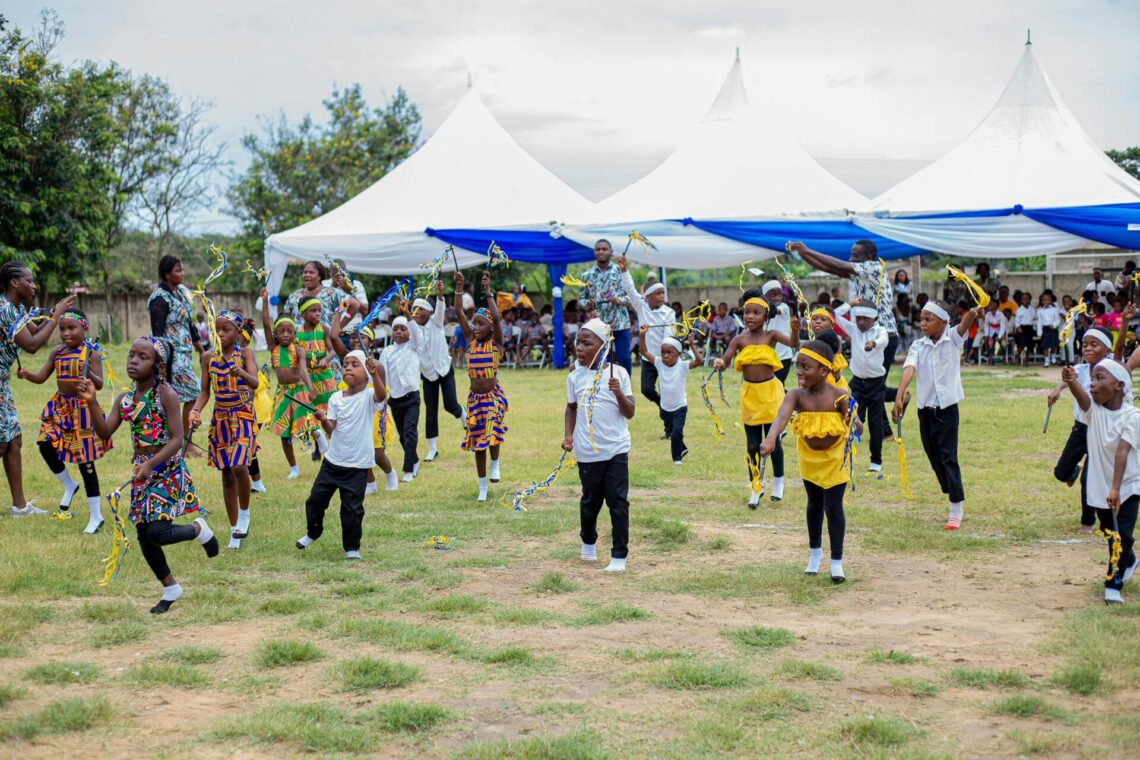
7. Africa – The Rhythm of Fitness: Dance Workouts
Across the diverse continent of Africa, dance has always been more than entertainment—it’s a vital expression of community, spirituality, celebration, and physical culture. Different regions have developed distinctive dance traditions, from the high-energy jumps of Maasai warriors to the undulating movements of West African dance.
African dance traditions typically feature polyrhythmic movements, where different body parts move to distinct but complementary rhythms. This creates not just a cardiovascular workout but also a sophisticated coordination challenge that engages the brain in unique ways.
Why You Should Try African Dance Workouts:
- Joy-Centered Movement: The rhythmic, expressive nature makes exercise feel like a celebration.
- Core Engagement: The isolations and undulations create deep core strength and control.
- Cultural Appreciation: Learn about diverse African traditions through movement.
- Communal Energy: Group classes harness the motivational power of community.
- Stress Release: The expressive, percussive movements provide emotional catharsis.
Many modern fitness programs, from Zumba to cardio dance classes, draw inspiration from African dance traditions. Whether you explore traditional forms or contemporary adaptations, these rhythm-based workouts create a multisensory experience that often feels more like play than exercise.
8. Germany – Science-Backed Efficiency: HIIT Training
While high-intensity interval training (HIIT) has ancient roots in many cultures, modern scientific HIIT protocols have strong connections to German sport science. In the 1970s, German coach Woldemar Gerschler pioneered structured interval training methods that maximized physiological adaptations while minimizing time commitment.
The German approach to fitness often emphasizes precision, measurement, and systematic progression. This scientific mindset helped develop HIIT into the evidence-based protocols we know today—workouts that alternate between brief, intense efforts and active recovery periods.
Why You Should Try HIIT Training:
- Time Efficiency: Achieve significant fitness gains in sessions as short as 20 minutes.
- Metabolic Boost: Research shows elevated calorie burning for hours after completion.
- Adaptability: It can be applied to nearly any exercise modality: running, cycling, bodyweight, etc.
- Evidence-Based: One of the most thoroughly researched exercise methodologies.
- Progress Tracking: Clear metrics allow for precise monitoring of improvements.
German precision influences modern HIIT through careful work-to-rest ratios, heart rate targeting, and progressive overload principles. Whether you’re using a Tabata protocol (20 seconds work/10 seconds rest) or longer intervals, the science is clear: strategic intensity delivers remarkable results in minimal time.
9. Hawaii – Surf’s Up! Surfing as a Full-Body Workout
Beyond its status as a thrilling sport and cultural touchstone, surfing represents one of humanity’s most complete natural workouts. Native Hawaiians have been riding waves for centuries, developing a practice that simultaneously builds strength, balance, coordination, and cardiovascular endurance.
The surfing workout begins before you even catch a wave. Paddling out through the break provides upper body and core training comparable to swimming, while the pop-up motion (moving from lying to standing) creates an explosive, functional strength challenge.
Why You Should Try Surfing:
- Nature Connection: Exercise becomes adventure when practiced in the ocean environment.
- Balance Development: Few activities better train proprioception and dynamic stability.
- Mental Flow State: The combination of focus and adaptability creates psychological benefits.
- Lifetime Pursuit: Adaptable to various ages and ability levels through board selection.
- Functional Movement: Builds practical strength that translates to everyday activities.
Even if you live far from coastal waves, many fitness centers now offer surf-inspired workouts using stability boards and resistance equipment to simulate the demands of riding waves. The surf ethos of patience, respect for nature, and joyful movement provides a refreshing counterpoint to achievement-focused fitness approaches.
10. Thailand – The Art of Eight Limbs: Muay Thai
Known as “the art of eight limbs,” Muay Thai is Thailand’s national sport and one of the world’s most effective martial arts. Unlike boxing, which uses only fists, or karate, which emphasizes hands and feet, Muay Thai incorporates punches, kicks, elbows, and knees—creating an extraordinarily comprehensive fighting system and workout.
Traditional Muay Thai training in Thailand is notoriously intense. Practitioners typically train twice daily, six days a week, combining technical drills, partner work, heavy bag conditioning, clinch practice, and intense cardio training.
Why You Should Try Muay Thai:
- Comprehensive Conditioning: Develops power, endurance, flexibility, and mental toughness simultaneously.
- Self-Defense Skills: Builds practical techniques while improving physical capacity.
- Stress Relief: The intensity provides a powerful emotional release.
- Community Support: Training partners creates accountability and motivation.
- Cultural Tradition: Connect with Thailand’s rich martial heritage.
For fitness enthusiasts, Muay Thai offers an engaging alternative to traditional cardio. Many gyms now offer modified Muay Thai classes that emphasize conditioning benefits over fighting applications, making this ancient art accessible to those seeking a challenging, engaging workout without combat aspirations.
Conclusion
As we have explored these diverse fitness traditions from around the world, one truth emerges: human beings have always needed to move, and cultures everywhere have developed brilliant systems to meet this fundamental need. Whether you’re drawn to the mindful precision of yoga, the explosive power of kettlebell training, or the joyful expression of traditional dance forms, global fitness traditions offer something for everyone.
Which global fitness tradition speaks to you? Have you tried any of these practices, or are you inspired to explore one? Share your experiences or questions in the comments below—we would love to hear about your personal fitness journey across cultures!


You May Also Like

Boost Your Weight Loss with a Quick and Effective 15-Minute Cardio Workout

Fueling Your Cardio Workouts: Pre- and Post-Exercise Nutrition Tips
