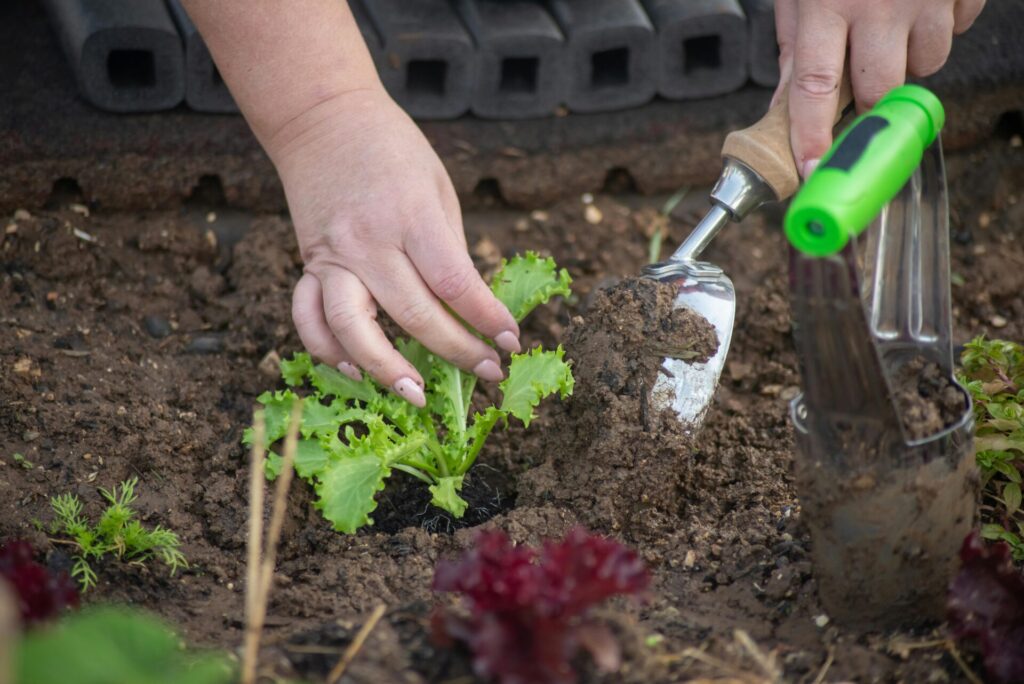
In an era where environmental consciousness has become more crucial than ever, the zero-waste movement has emerged as a powerful solution to our growing waste crisis. Whether you’re just starting your sustainability journey or looking to take your eco-friendly practices to the next level, this comprehensive blog will walk you through everything you need to know about adopting a zero-waste lifestyle. From practical daily habits to long-term sustainable solutions, we’ll explore how small changes can lead to significant environmental impact.
Understanding Zero-Waste Living: More Than Just-Recycling
The concept of zero-waste living goes far beyond simply recycling or using reusable bags. At its core, zero-waste is a philosophy that encourages the redesign of resource life cycles so that all products are reused, with no trash sent to landfills, incinerators, or the ocean. The goal is to eliminate waste rather than merely manage it.
The environmental impact of our waste is staggering. Each year, billions of tons of waste end up in our landfills and oceans, contributing to climate change, wildlife destruction, and pollution. By adopting a zero-waste lifestyle, you’re not just reducing your environmental footprint; you’re becoming part of a global solution to one of our planet’s most pressing challenges.
Essential Zero-Waste Principles
Before diving into specific strategies, it’s important to understand the fundamental principles of zero-waste living. These are often referred to as the “5 Rs”:
Refuse what you don’t need
Reduce what you do need
Reuse what you consume
Recycle what you can’t refuse, reduce, or reuse
Rot (compost) the rest
These principles form the foundation of zero-waste living and should guide your decision-making process as you transition to this lifestyle.
Your Zero-Waste Kitchen: Where Sustainability Begins
The kitchen is often the heart of waste production in most homes, making it the perfect place to start your zero-waste journey. Here’s how to transform your kitchen into a waste-free zone:
Grocery Shopping Strategies
When it comes to zero-waste grocery shopping, preparation is key. Essential items for your shopping kit include:
Reusable produce bags
Glass jars or containers for bulk items
Cotton mesh bags for bread and pastries
Large shopping totes
A small notebook for recording bulk bin codes
Shopping tips for zero-waste success:
Choose package-free produce whenever possible
Shop at bulk stores where you can fill your own containers
Maintaining zero-waste practices outside your home requires preparation. Essential items for your zero-waste travel kit:
Reusable water bottle
Collapsible coffee cup
Portable cutlery set
Cloth napkin
Small containers for takeout
Reusable shopping bags
Composting: Closing the Loop
Composting is a crucial aspect of zero-waste living, turning organic waste into valuable soil amendment. Here’s how to get started:
Types of Composting Systems
Traditional Backyard Composting
Perfect for homes with outdoor space
Can handle large volumes of organic waste
Requires basic maintenance and monitoring
Vermicomposting
Ideal for apartments or small spaces
Uses worms to break down organic matter
Creates nutrient-rich castings for plants
Bokashi Composting
Fermentation-based system
Can handle meat and dairy
Works well in small spaces
Common Challenges and Solutions
Starting a zero-waste lifestyle can come with its challenges. Here are solutions to common obstacles:
Time Management
Start slowly and implement changes gradually
Prepare zero-waste essentials in advance
Create efficient systems and routines
Focus on progress, not perfection
Budget Considerations
Remember that many zero-waste solutions save money long-term
Start with low-cost or free changes
Invest in quality items gradually
Look for secondhand alternatives
Social Situations
Communicate your preferences politely
Bring your own containers and utensils
Share your journey to inspire others
Be flexible when necessary
The Impact of Zero-Waste Living
Understanding the positive impact of your zero-waste choices can help maintain motivation:
Environmental Benefits
Reduced landfill waste
Lower carbon emissions
Less plastic pollution
Conservation of natural resources
Protected wildlife and ecosystems
Personal Benefits
Improved health through natural products
Financial savings
More organized living spaces
Enhanced creativity
Greater connection to the community
Advanced Zero-Waste Practices
Once you’ve mastered the basics, consider these advanced zero-waste strategies:
DIY Projects
Make your cleaning products
Create natural beauty items
Sew reusable items
Build a composting system
Preserve seasonal foods
Join a Zero-Waste Community
Participate in local clean-up drives.
Follow and support zero-waste influencers and blogs.
Attend workshops and sustainability events.
Advocate for Policy Changes
Support plastic bans and waste reduction laws.
Encourage businesses to adopt eco-friendly packaging.
Spread awareness through social media and community discussions.
Measuring Your Progress
Tracking your zero-waste journey can help maintain motivation and identify areas for improvement:
Tracking Methods
Weigh your trash regularly
Document changes with photos
Keep a waste journal
Calculate your carbon footprint
Share progress on social media
The Future of Zero-Waste Living
As we look ahead, the zero-waste movement continues to grow and evolve:
Emerging Trends
Package-free stores
Circular economy initiatives
Innovative sustainable materials
Zero-waste technology
Community-based solutions
Policy Changes
Extended producer responsibility
Plastic bag bans
Composting mandates
Recycling improvements
Waste reduction targets
Conclusion: Your Zero-Waste Journey Begins Now
Living a zero-waste lifestyle is about making mindful choices that reduce waste and promote sustainability. Every small step toward reducing waste matters, and the cumulative impact of individual actions can create significant positive change for our planet. Remember that perfection isn’t the goal – progress is.
By incorporating small changes—such as using reusable products, composting, and choosing sustainable brands—you can make a big impact on the environment. Start where you can stay consistent, and inspire others to join the movement. Every little effort counts in creating a cleaner, greener planet.
Ready to start your zero-waste journey? Begin with one small change today, and watch how it grows into a sustainable lifestyle that benefits both you and the planet.